
Last updated November 15, 2026
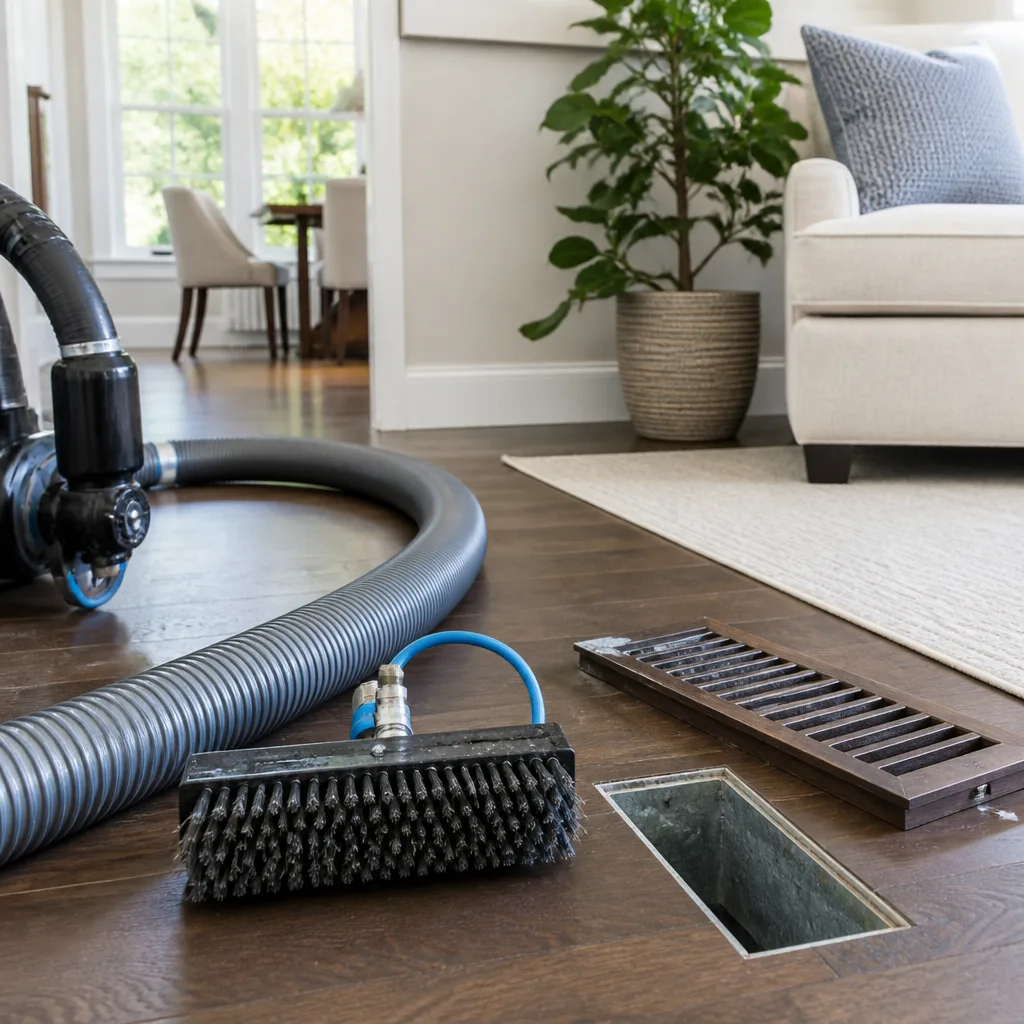 Whole-home duct cleaning
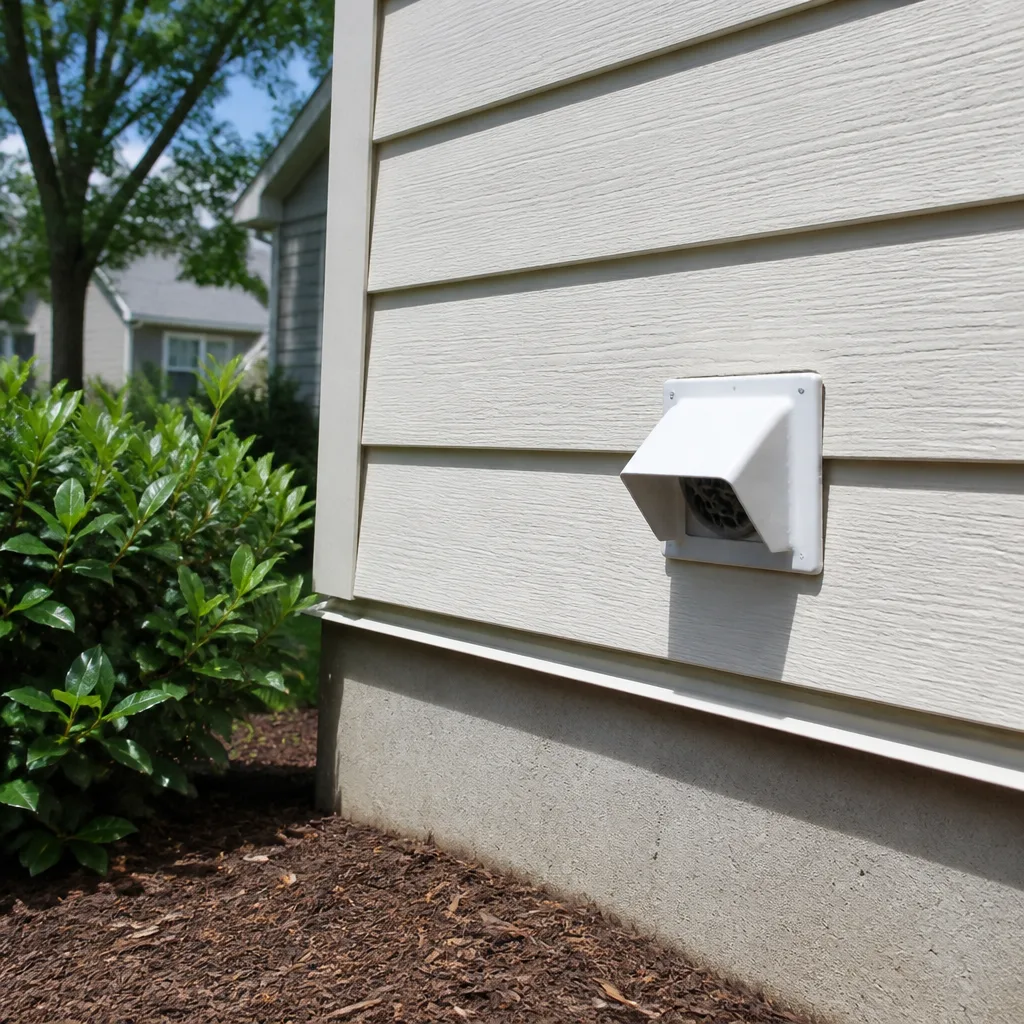 Dryer vent cleaning
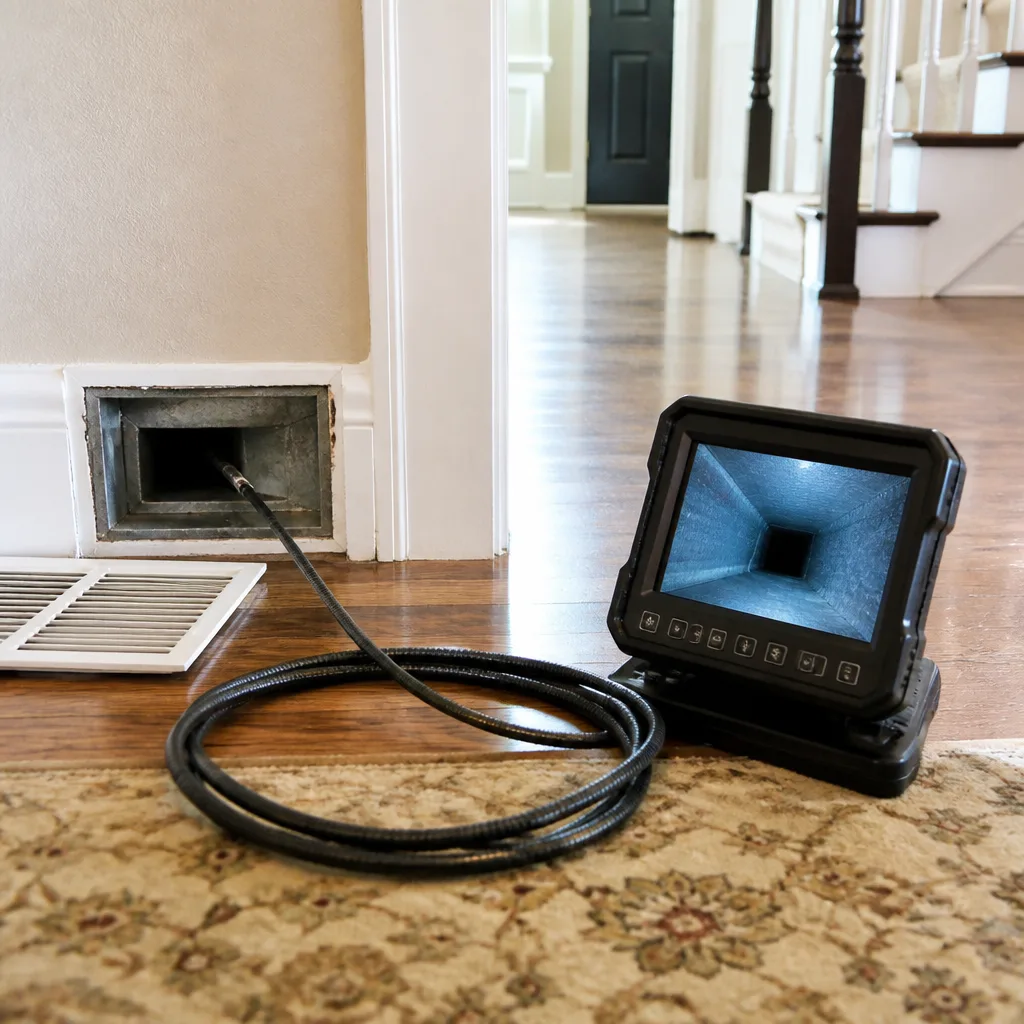 Camera inspection
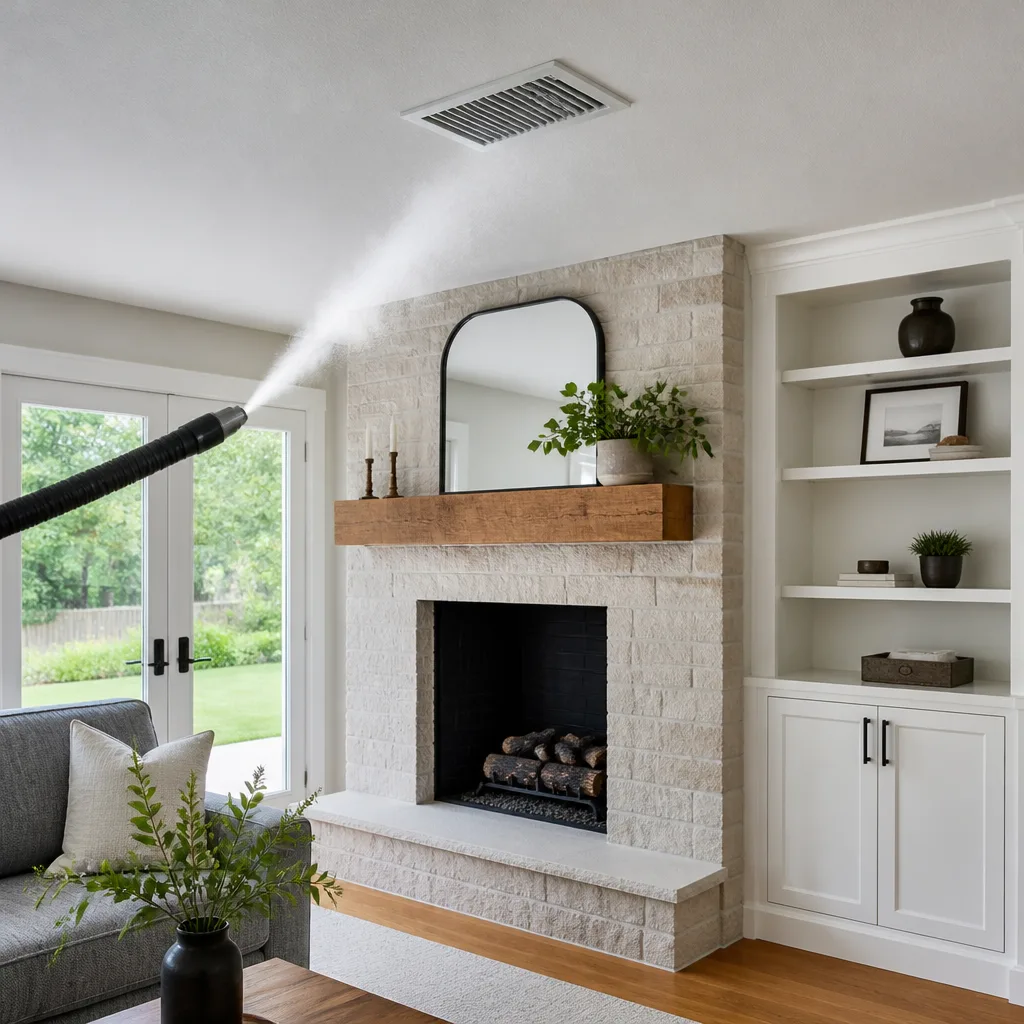 Sanitizing & deodorizing
Whole-system duct and dryer vent check with before-and-after photos - you see exactly what came out of your vents
That "$99 whole-house special" is a bait ad - the real number appears once they are in your hallway, or the "clean" is a shop-vac at the register. We photograph the inside of your ducts before and after instead.
Air Duct Cleaning Cost Breakdown: The Yuma Homeowner’s Reference for 2026
Here’s the part of duct cleaning pricing nobody puts on a flyer: the number on the quote tells you almost nothing until you know what’s inside it. A $149 whole-home duct cleaning in Yuma is not a discounted version of a $600 job. It’s usually a different job entirely, one that skips the return air plenum, the evaporator coil housing, and the dryer vent, which happen to be the three places contamination concentrates hardest in desert-climate homes. We’ve seen quotes on the same Yuma house range from one figure to more than three times that, and the spread maps almost perfectly to what equipment shows up and what scope is written down. This guide breaks down what legitimate pricing is built from, how Yuma’s wide single-story layouts change the math, and how to compare quotes by scope instead of by the bottom line.
Quick Answer
Air duct cleaning in Yuma typically runs from about $350 to $700 for a standard single-story home, with larger homes or systems needing coil cleaning and dryer vent work landing in the $700 to $1,200 range. The price is driven by vent count, system type, and whether the quote includes the return plenum, coil housing, and dryer vent, not by the sticker on the truck. Any quote under roughly $200 for a full house is almost certainly cleaning only the supply side, and the written estimate you receive from a reputable company should itemize every component before work starts.
Styles & brands we work with
- Whole-home duct cleaning
- Dryer vent cleaning
- Camera inspection
- Sanitizing & deodorizing
Table of Contents
- What Actually Drives Air Duct Cleaning Cost in Yuma?
- Line-Item Cost Breakdown: Where the Money Goes
- Why Yuma’s Single-Story Footprints Cost More Than National Averages
- What Professional Equipment Costs to Run
- Add-Ons That Are Necessities vs. Add-Ons That Are Upsells
- How to Compare Quotes Using a Scope Checklist
- Why Are Some Quotes So Much Cheaper?
- How Often Does Duct Cleaning Really Need Doing in Yuma?
What Actually Drives Air Duct Cleaning Cost in Yuma?
Four things drive the price of air duct cleaning in Yuma: the number of supply and return vents, the total length of the trunk runs, the type of system (a packaged unit or a split system with attic ductwork), and how much of the air pathway the quote actually covers. A home with 12 supply vents and two returns is more work than a home with 8 and one, and that difference is legitimate. So is the difference between a packaged rooftop system and a split system with flex duct running through a 140-degree attic access, because the labor to reach it is real.
Yuma’s building stock complicates the picture further. A large share of the housing here is single-story, adding square footage horizontally rather than vertically, which means longer trunk lines to the far bedrooms and a higher vent count for the same overall square footage. The trick with cost drivers is separating the ones that scale with genuine work from the ones operators invent. Vent count scales with work. “Number of stories” doesn’t, at least not the way national pricing tables assume. And a quote that itemizes nothing but a flat number isn’t giving you a price; it’s giving you a mood.
- Vent count: supply and return registers, counted in the quote.
- Trunk run length: longer single-story layouts mean more duct to reach and clean.
- System type: packaged versus split, attic versus accessible closet.
- Scope covered: supply only, or supply plus returns, coil housing, plenum, and dryer vent.
- Access difficulty: tight attic hatches and low clearances add labor time.
If a company won’t tell you which of these they’re pricing, that’s your first signal to keep shopping.
Line-Item Cost Breakdown: Where the Money Goes
Here’s how a properly structured estimate breaks down for a typical 1,800 to 2,200 square foot single-story Yuma home. These are estimated ranges for our market, not national averages, and the written estimate you receive sets the final price.
| Component | Typical Estimate | What It Covers |
|---|---|---|
| Supply duct cleaning | $200 – $350 | Agitation and extraction of every supply branch and register boot |
| Return duct cleaning | $100 – $200 | Return grilles, return trunks, and return plenum |
| Main trunk lines | $80 – $180 | Primary trunk run from air handler to branch takeoffs |
| Evaporator coil housing | $75 – $175 | Coil face and housing, where dust and biological growth collect |
| Dryer vent cleaning | $100 – $180 | Full dryer vent run from dryer connection to exterior termination |
| Sanitizing application (optional) | $75 – $150 | EPA-registered antimicrobial applied post-cleaning, when warranted |
Add those together and you get the honest $400 to $700 range for a standard Yuma home, or more when the house is larger or the coil housing needs real attention. Note how much of the total lives in the items low-bid quotes leave out. Strip the return plenum, the coil housing, and the dryer vent from that table and you’re left with roughly a third of the scope and a sticker price that suddenly looks attractive. That’s the whole trick.
Vent count nudges the supply line. A 2,400-square-foot Yuma home with 14 supply registers and two returns will land toward the top of that range, and a smaller home with 8 supplies will land near the bottom. What shouldn’t move is the inclusion of returns and the coil housing. Those aren’t extras; they’re the components where the contamination actually lives.
Why Yuma’s Single-Story Footprints Cost More Than National Averages
Most national duct cleaning pricing tables are built around two-story homes, where the same square footage carries fewer vents and shorter horizontal trunk runs. Yuma tilts the other way. The typical new-build footprint here is a wide single-story ranch, and the same 2,000 square feet that would be 9 vents and one return in a two-story floor plan is often 12 to 14 supply registers and two returns here. That’s 40 percent more registers to agitate, extract, and photograph, plus longer trunk runs to reach the far bedrooms.
The attic is the other factor. In Yuma, most of the ductwork runs through an attic that reaches extreme summer temperatures, and duct systems in that environment take real abuse. Runs of flex duct that sag, connections that loosen, and insulation that breaks down over time all mean a cleaning job has to inspect as much as clean. A technician working a Yuma attic in July is doing labor that a national pricing model built around a mild climate simply doesn’t account for. We mention this not to inflate anything, but because it explains why a quote from a Phoenix website calculator won’t match what a Yuma homeowner actually pays.
Neighborhood age matters too. Older housing near the Yuma historic downtown area and along the older corridors tends to have ductwork that predates modern flex systems, and galvanized trunk lines with fewer but larger registers behave differently in a cleaning than a 2020s build. Newer subdivisions on the city’s edges lean toward sealed flex systems with more registers and tighter returns. Both are cleanable, both are priced by scope, but the scope is not identical. When we look at a home in the Foothills versus one near the river bottom, the vent count and the access are what we write into the estimate, not the neighborhood name.
What Professional Equipment Costs to Run
There’s a reason a professional-grade portable duct cleaning setup costs more to run than a consumer rig, and it comes down to three pieces of equipment: the rotary brush, the HEPA vacuum, and the containment and air-scrubbing gear. The Rotobrush system is the industry benchmark for agitating duct walls. Its flexible rotary brush spins at speed inside the duct, knocking debris loose from every surface it contacts, and then the system extracts it. Getting that brush to every branch and every register boot takes time, and time is a real cost.
The extraction side matters just as much. Nikro HEPA-rated vacuum equipment pulls the dislodged material out of the system without letting it escape into the living space. On a desert home, that’s the difference between cleaning the ducts and just moving the dust around. Then there’s containment. Abatement Technologies air scrubbers and negative-air equipment are the same tools used in professional remediation work, and we bring them into duct cleaning for the same reason: to keep what comes loose from going into the air you’re breathing. That equipment needs to be maintained, filters changed, and operated by people who know what negative air pressure actually means in a residential setting. None of that is free.
Compare that to a shop vacuum with a modified hose, which is what shows up on the cheapest quotes in most markets. It agitates some debris and redistributes the rest. A $149 quote and a $600 quote are not competing on the same job, and once you see the equipment difference, that stops being a mystery.
Add-Ons That Are Necessities vs. Add-Ons That Are Upsells
Not every line item on a duct cleaning quote is legitimate. Some of the “extras” push the job toward the right scope, and some exist to fatten the invoice. Here’s how we sort them.
Genuine necessities
- Evaporator coil cleaning: On a Yuma system running through a long cooling season, the coil face collects dust and biological growth faster than in most climates. If the coil is visibly fouled, cleaning it is not optional; it’s part of cleaning the air pathway.
- Return air plenum cleaning: The return plenum and the run to the air handler move the most air in the system. Skipping it means you’ve cleaned the branches and missed the source.
- Dryer vent cleaning: This one is separate from duct cleaning and worth doing on its own schedule. Lint accumulation in a dryer vent is a fire concern regardless of what’s going on in the HVAC ducts.
- Duct repair: If the inspection finds disconnected runs, torn flex, or crushed sections, cleaning without repair just means the system will redirty immediately. We handle air duct cleaning and repair together for that reason.
Where upsells tend to hide
- Sanitizing agents sold without cause. A post-cleaning antimicrobial has a place when there’s visible biological growth or an odor problem. Selling it as a mandatory add-on to every job isn’t about your air quality.
- “Deodorizing” and “freshening” treatments. A clean duct system doesn’t need a scent. If the ducts smell, the cause is a moisture or contamination issue, and a fragrance is masking it.
- Per-vent pricing that balloons. A flat per-register price is a common way to turn a cleanable job into a scary number. Whole-system pricing is the fair structure.
- Filter upgrades sold as part of the cleaning. A filter upgrade can be a legitimate improvement, and we carry Honeywell, Aprilaire, and Guardsman filtration products, but it should be offered after the cleaning, as an air-quality decision, not bundled in as a scare tactic.
The test for any add-on: does it address something the technician actually found and showed you? If not, it can wait.
How to Compare Quotes Using a Scope Checklist
Don’t compare the bottom-line number. Compare what’s on the page. The correct way to shop duct cleaning in Yuma is to put every quote in front of the same scope checklist and see which components each one includes. Here’s the checklist we suggest.
- Does the quote list supply branch count in writing? Number of registers, not a vague “whole home.”
- Are returns and the return plenum included? If it says “ducts” and doesn’t mention returns, assume they’re excluded.
- Is the evaporator coil housing listed? This is the single most-skipped component of a legitimate quote.
- Is the trunk line included? Branches without the main run is a partial job.
- What equipment does the company bring? Ask for the equipment make and type: rotary brush, HEPA vacuum, containment.
- Will you get before-and-after photos? Photos of your ducts, not stock images.
- Is the price flat and written, or does it change on site? A legitimate quote is a flat price per system, agreed before any work starts.
- Is dryer vent cleaning included, and is it priced separately? It’s a distinct job with its own scope.
Put three quotes through that list and the cheapest usually disappears. What replaces it is a scope comparison you can actually make a decision with. If one company’s checklist is complete and its price is higher, you now know exactly why.
Why Are Some Quotes So Much Cheaper?
Because the job is different. A sub-$200 whole-home quote in Yuma is not a bargain version of a full cleaning; it’s a supply-side-only pass with a shop-vac-style tool that agitates dust more than it removes it. The three components missing from that quote are worth naming explicitly: the return air plenum, the evaporator coil housing, and the dryer vent. Those are where the majority of biological and particulate contamination accumulates in a desert-climate home, and none of them appear in a low-bid scope. You’re not getting a discount. You’re getting a partial clean with the parts that matter left out.
There’s a second reason cheap quotes exist: no containment. Without air scrubbing and negative-air equipment, whatever gets loosened goes back into the air you’re standing in, and then settles into the same ducts over the coming weeks. That’s a cleaning that actively makes the immediate air quality worse before it cycles back to the original state.
Ask a company quoting a low figure what’s excluded and what equipment they’re bringing. The answer will tell you everything.
How Often Does Duct Cleaning Really Need Doing in Yuma?
For most Yuma homes, every three to five years is a reasonable interval. That’s not a universal rule; it’s a starting point that several factors will move one way or the other. Homes with pets, recent remodeling, or a household with allergies tend to need it on the shorter end. Homes with a newer system, a well-sealed duct network, and a good filter maintenance routine can stretch the interval. The dryer vent is a different schedule entirely and is worth checking yearly regardless of where the HVAC ducts stand.
Yuma’s environment nudges things. Dust events during the spring wind season push a lot of particulate into the return side of any system, and the fact that the house is running its cooling system for a much larger part of the year than colder markets means the system moves more air, more often, through the same duct pathway. A family running the AC almost continuously from early spring through late fall will see ducts soil faster than a household in a milder climate with a shorter season.
When to actually clean is a decision to make with an inspection, not a calendar. A company that will look at the duct interior and show you what’s there is giving you a real answer. A company that insists on a fixed annual schedule without looking is selling one.
Common Mistakes to Avoid
- Comparing only the bottom-line price. Two quotes $300 apart usually reflect $300 of different scope. Put both quotes against the scope checklist before you decide.
- Accepting a quote that doesn’t list the return plenum or coil housing. These are the components that most often drive the actual contamination problem, and skipping them means the cleaning doesn’t reach the source.
- Assuming a shop vacuum is duct cleaning equipment. Ask what equipment the company is bringing. Rotary brush and HEPA extraction is the professional standard; a modified shop vac isn’t.
- Skipping the dryer vent. In Yuma families running heavy laundry cycles, the dryer vent run is a separate, real fire concern that a duct cleaning appointment often doesn’t touch unless it’s written into the scope.
- Buying sanitizing as a default add-on. It’s worth doing when there’s a reason, not as a routine upsell on every job.
- Ignoring damaged ductwork. If the inspection finds torn flex or disconnected runs, cleaning before repair is wasted money. Repair the pathway, then clean it.
- Booking without before-and-after photos in the agreement. Photos of your ducts are the one piece of proof that the work actually got done.
See the difference
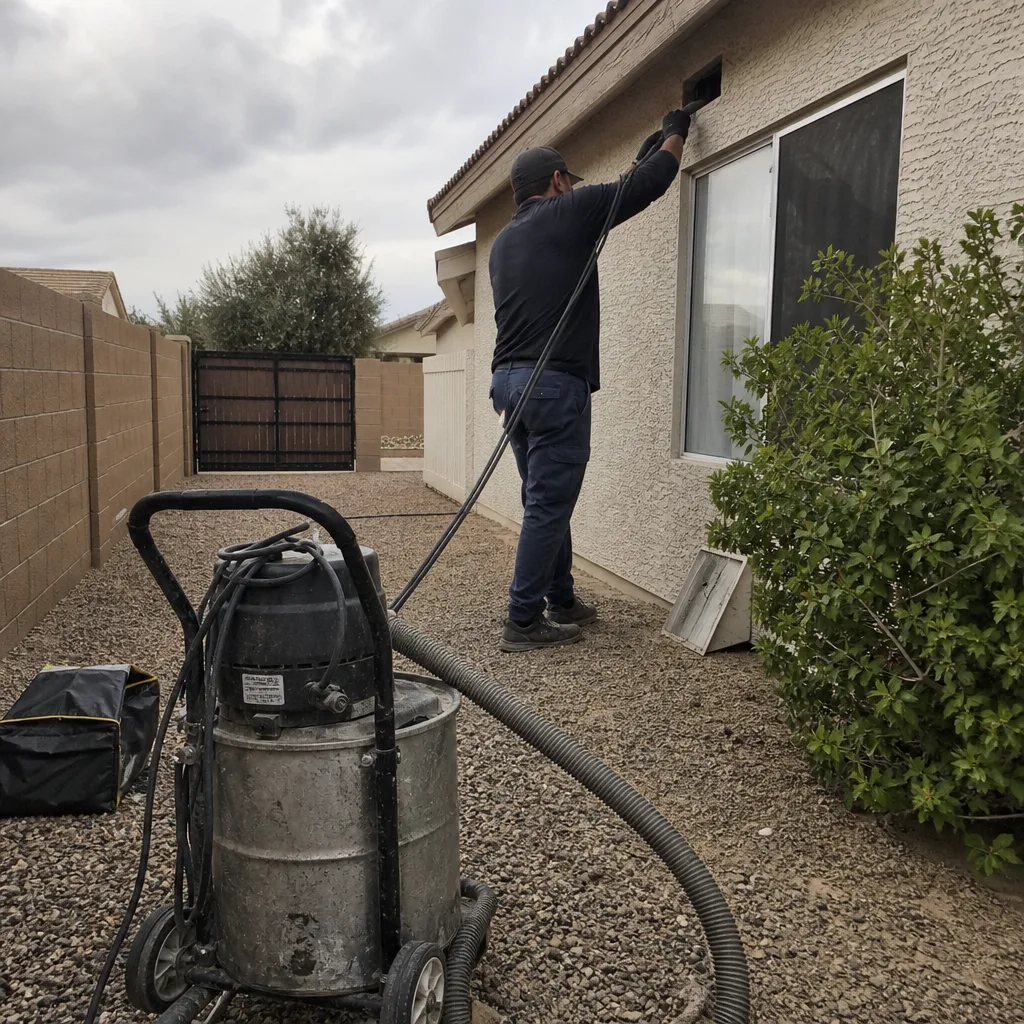 Before
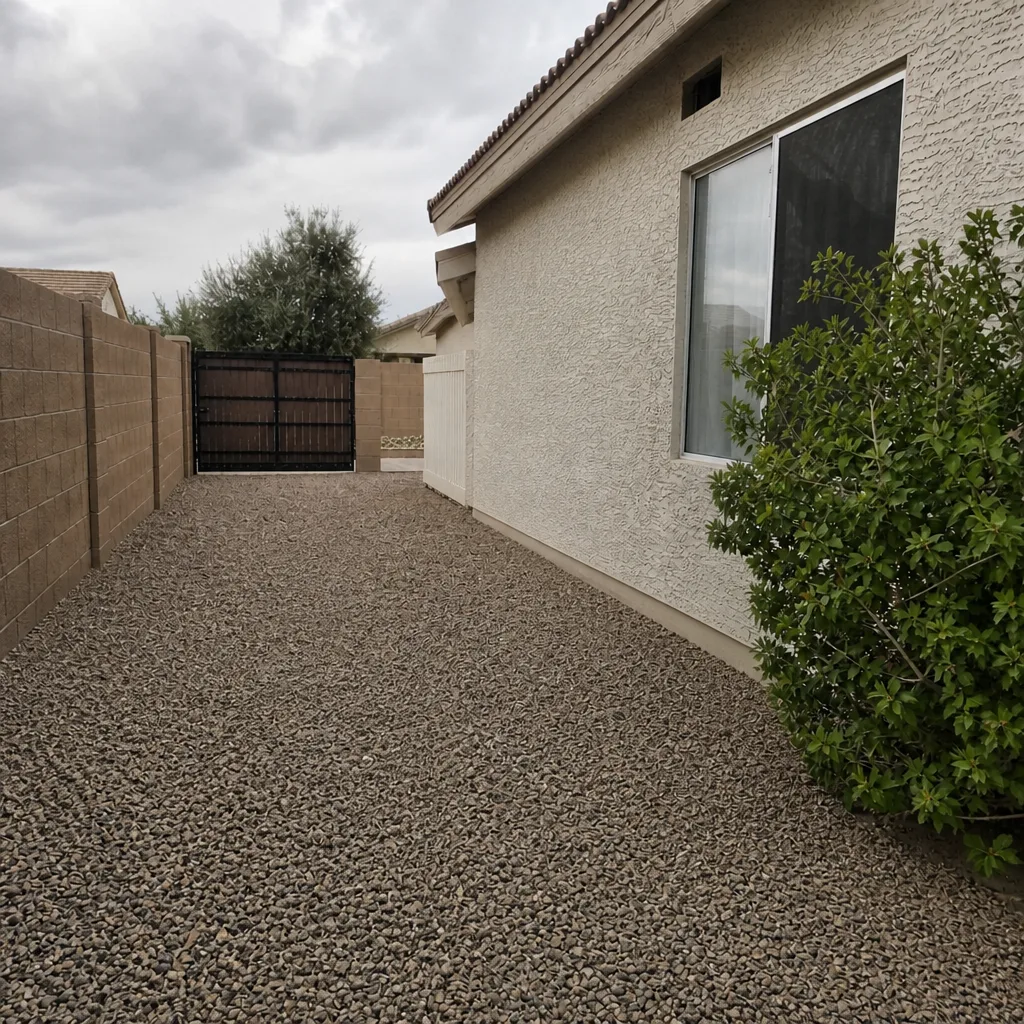 After
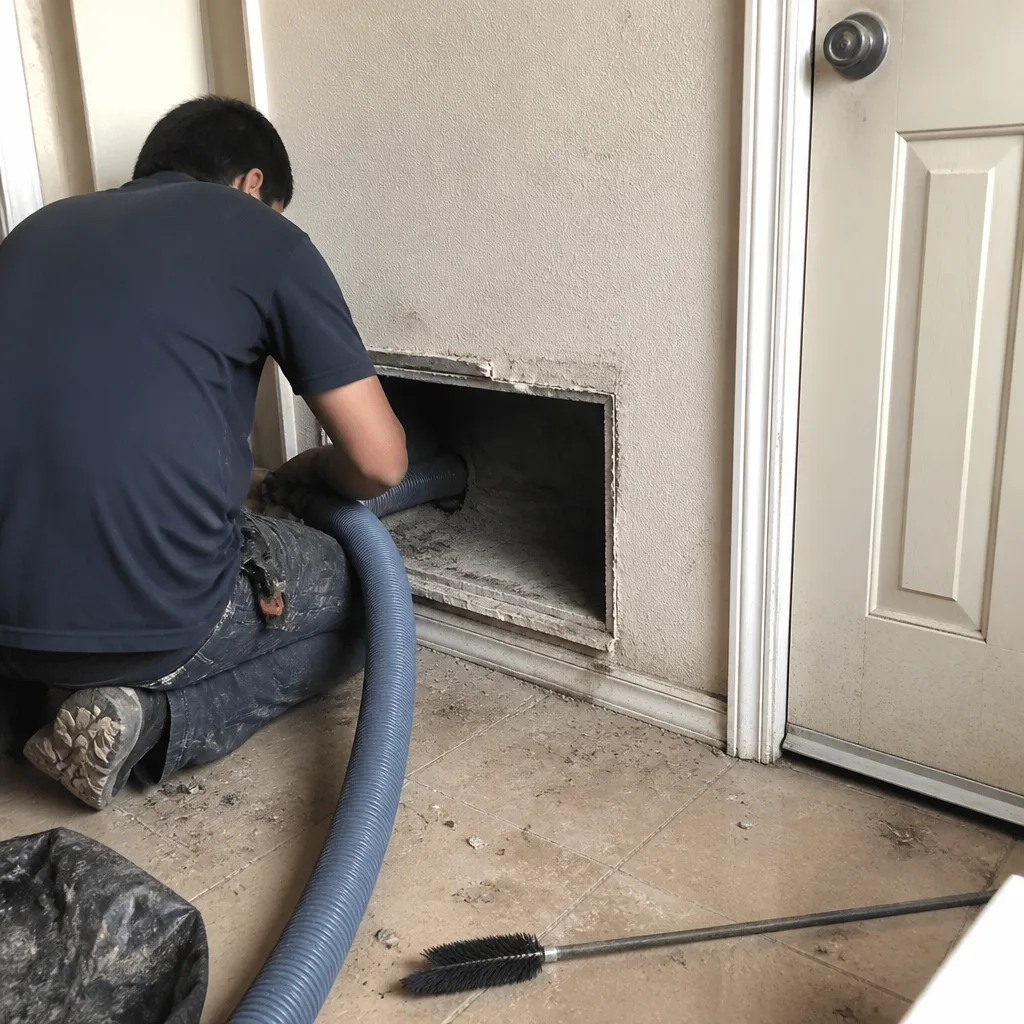 Before
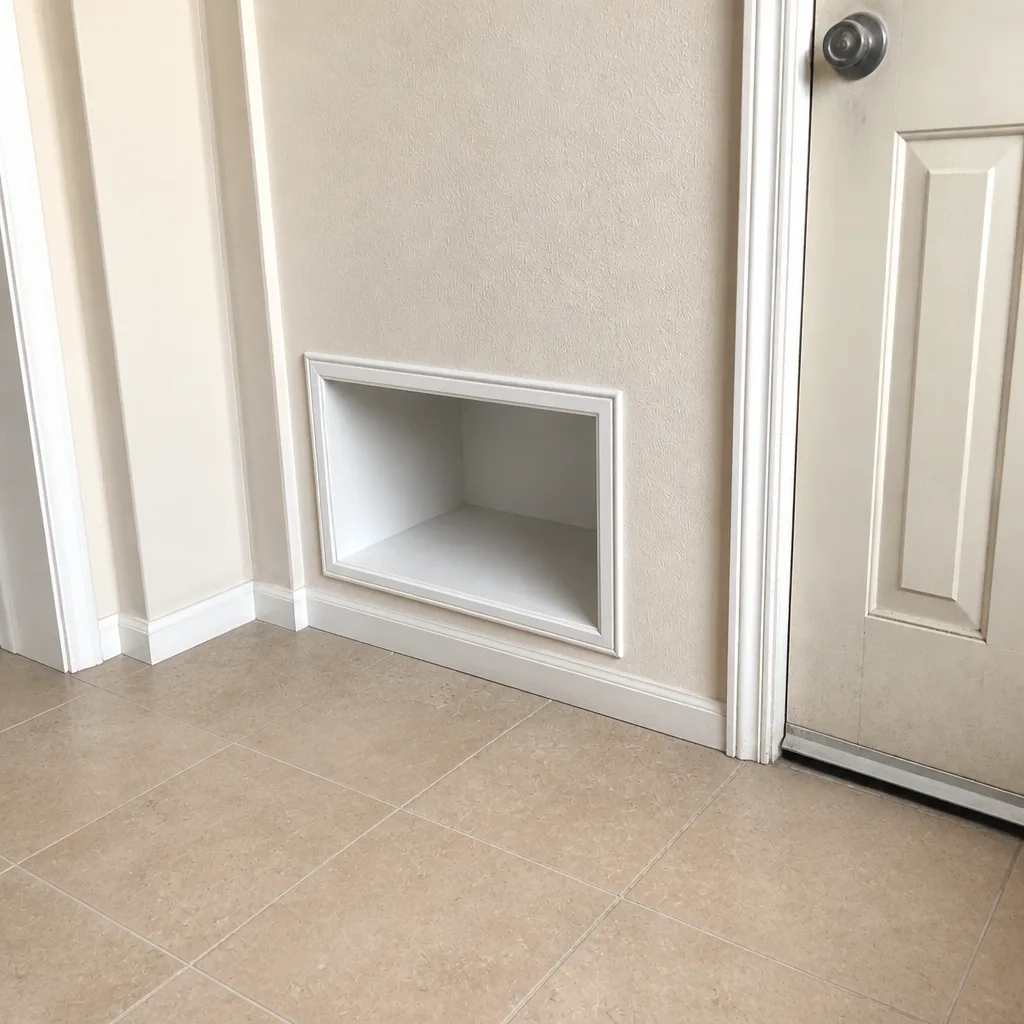 After
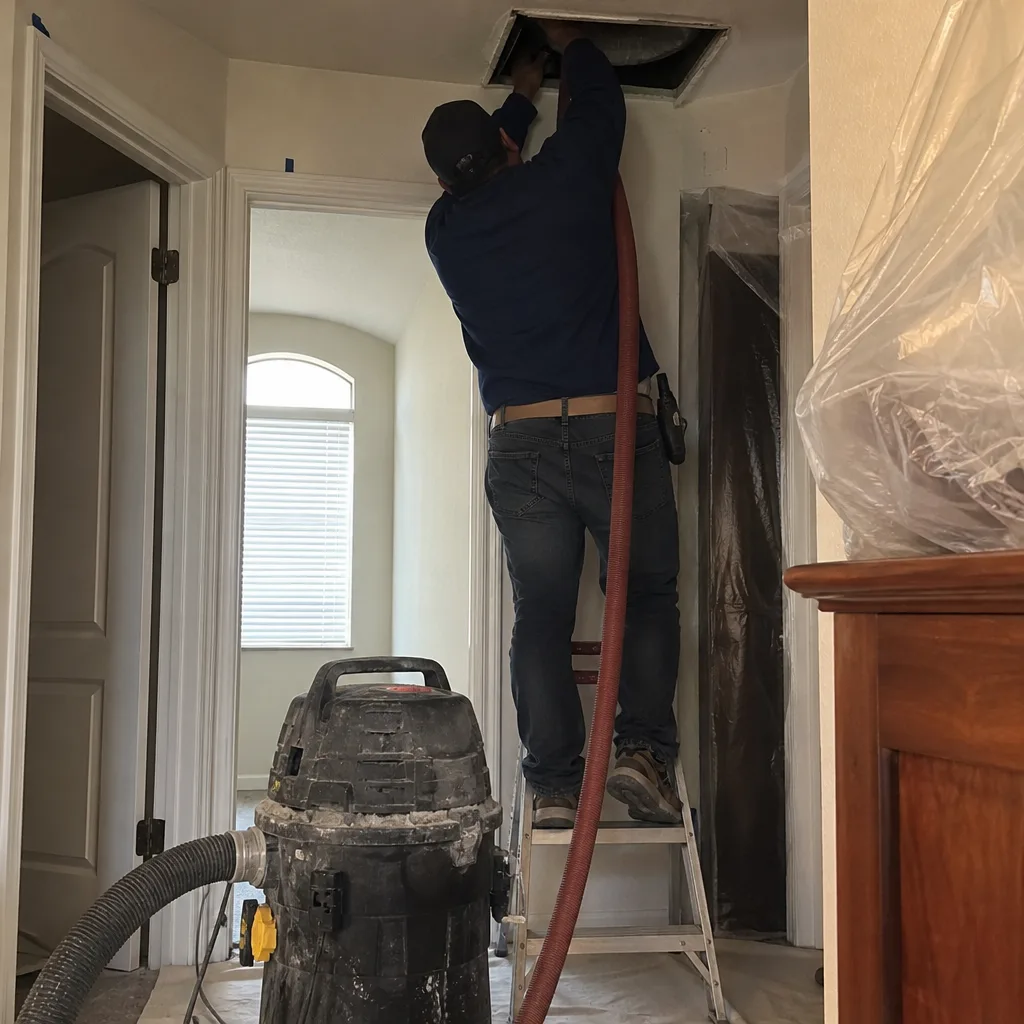 Before
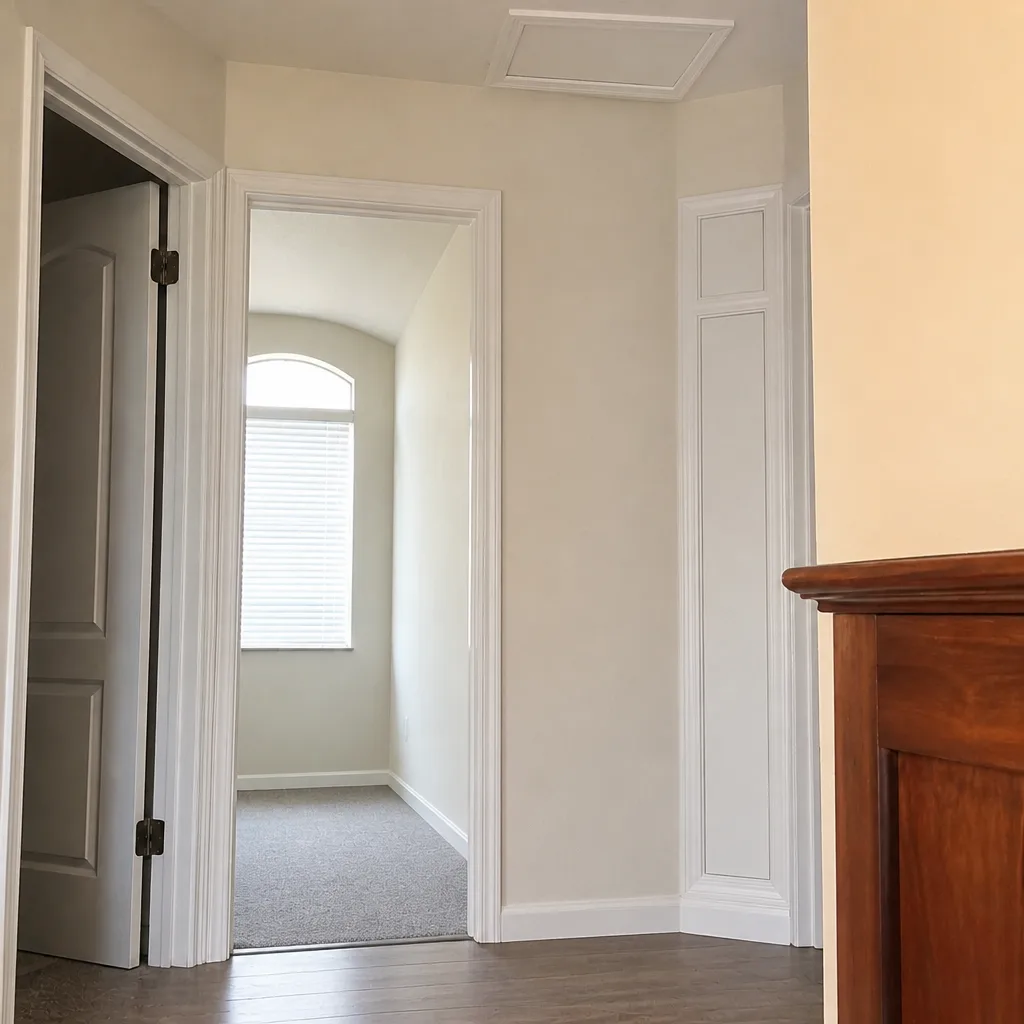 After
When to Call a Professional
Some duct issues are beyond a homeowner’s filter swap. If you’re seeing visible dust blowing from supply registers right after a filter change, if there’s a persistent musty smell when the system kicks on, if a room runs noticeably warmer than the rest of the house, or if the ducts haven’t been cleaned in several years and you’ve just finished a renovation, it’s worth getting eyes on the system. Damage you can see in an accessible section of ductwork, a loose connection, a crushed run, or a tear in the flex, is also a reason to get a repair quote rather than just a cleaning quote. Duct Cleaning Yuma offers free estimates in Yuma; call (888) 871-1789 and we’ll look at the air pathway, the equipment, and the scope with you, then put a flat written price on the job before any work starts.
Frequently Asked Questions
Air duct cleaning in Yuma typically costs between $350 and $700 for a standard single-story home, with larger homes or full-scope jobs including coil cleaning and dryer vent work running $700 to $1,200. The written estimate sets the final figure, and any legitimate estimate itemizes the components it covers. Call (888) 871-1789 for an exact quote; estimates are free.
Because they cover less of the system. A quote under roughly $200 for a whole house usually excludes the return plenum, the evaporator coil housing, and the dryer vent, and often arrives with a shop vacuum instead of a rotary brush and HEPA extraction system. You’re not comparing two prices for the same work. Call (888) 871-1789 and we’ll walk you through what a complete scope should include.
Before-and-after photos of your own ducts, taken during the job, are the standard proof. Ask any company whether they provide them, and confirm the answer in writing. Once the ducts are open and the equipment is running, you should also be able to see the rotary brush and the containment setup working. Call (888) 871-1789 to book a visit with photos included.
Every three to five years is a reasonable starting interval for most Yuma homes, moving toward the shorter end if you have pets, recent remodeling, or allergy concerns in the household. The right answer comes from an inspection rather than a fixed schedule. Call (888) 871-1789 to schedule a look at the system and get a scope based on what’s actually there.
The combination of dust events during wind season and a system that runs for most of the year does push a lot of particulate through the return side of the air pathway, so ducts soil faster than in milder markets. That’s a reason to inspect on schedule, not a reason for panic. A real look at the duct interior tells you where you actually stand. Call (888) 871-1789 for a free estimate in Yuma.
A complete estimate should list supply registers, returns and the return plenum, the trunk runs, the evaporator coil housing, and whether dryer vent cleaning is included or quoted separately. It should also name the equipment being used and confirm that before-and-after photos come with the job. If any of those are missing, ask why. Call (888) 871-1789 and we’ll send you a scope checklist alongside the estimate.
The Bottom Line
The spread on duct cleaning quotes in Yuma isn’t a pricing mystery; it’s a scope and equipment difference you can verify. A legitimate quote covers supply, returns, the plenum, the coil housing, and the trunk, names its equipment (rotary brush, HEPA extraction, containment), and stays firm once it’s written. A $149 quote usually covers one third of that and arrives with the wrong tool. Compare quotes against the scope checklist, not the number, and the right answer tends to appear. If you want a flat, itemized estimate for your Yuma home with a clear scope and before-and-after photos as standard, call (888) 871-1789. We answer 24/7. Fast dispatch from 7am to 7pm, Sunday through Friday.
Written by the team at Duct Cleaning Yuma.