
Last updated November 15, 2026
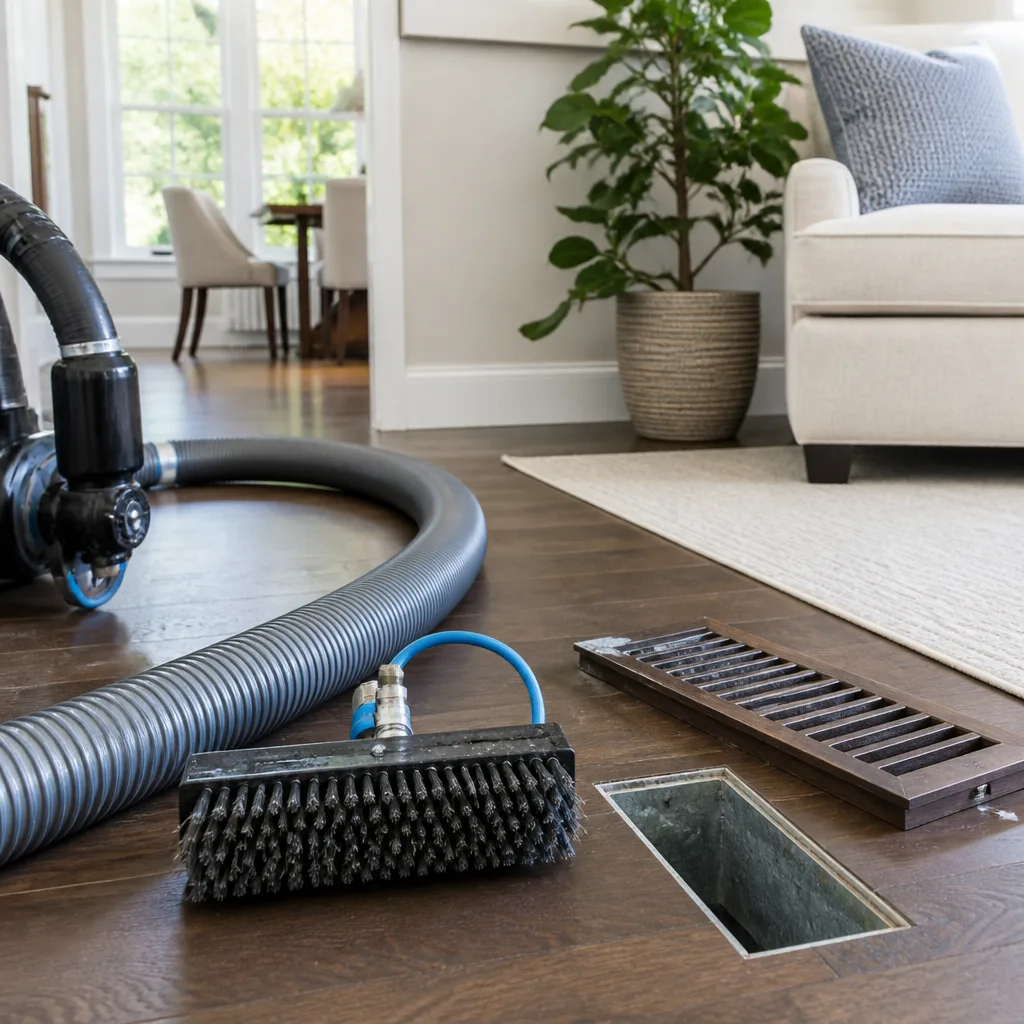 Whole-home duct cleaning
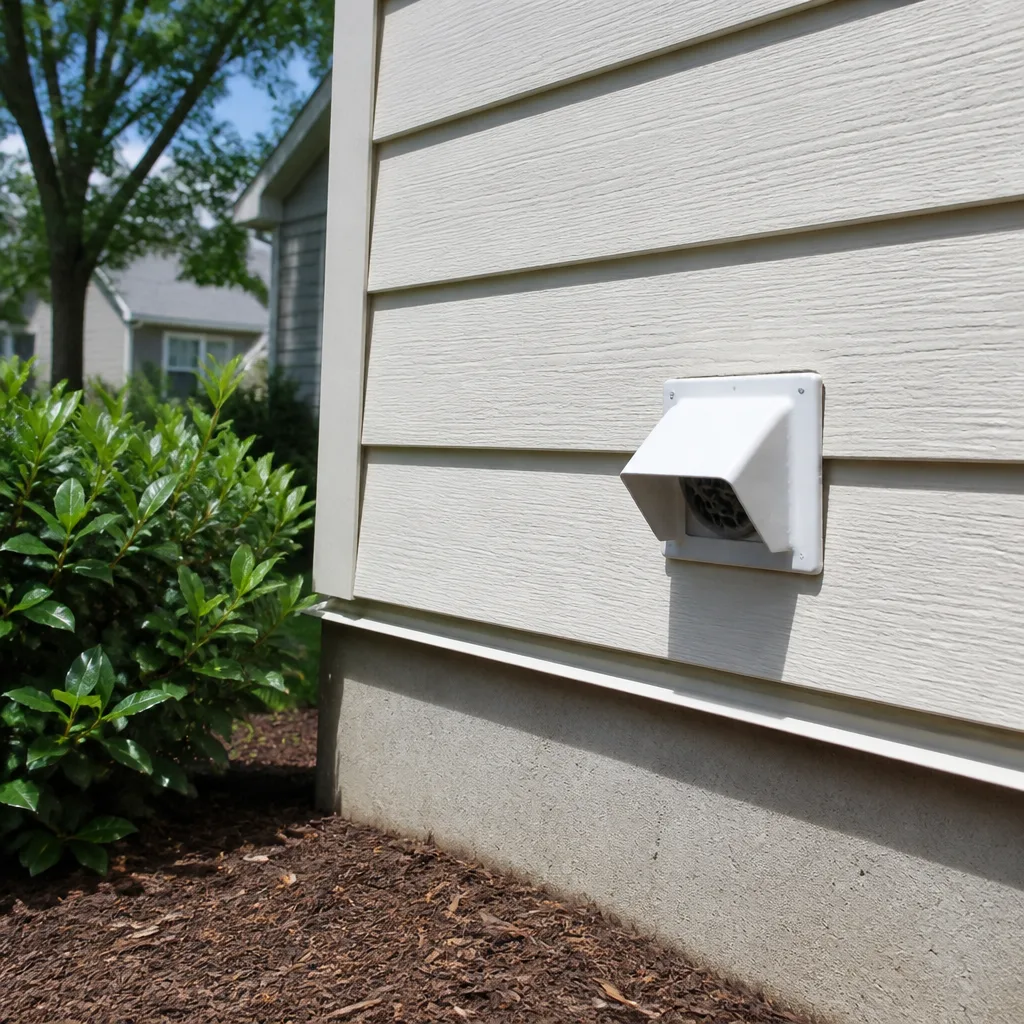 Dryer vent cleaning
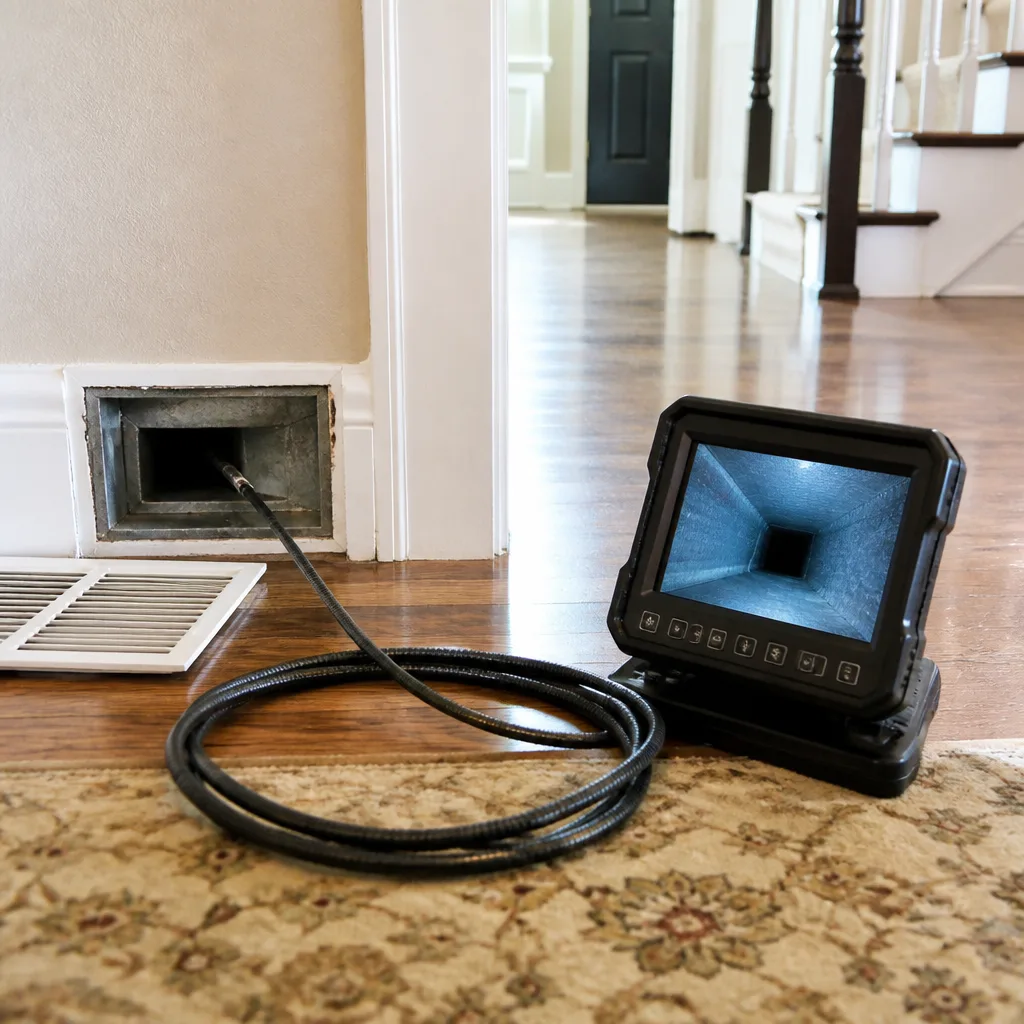 Camera inspection
 Sanitizing & deodorizing
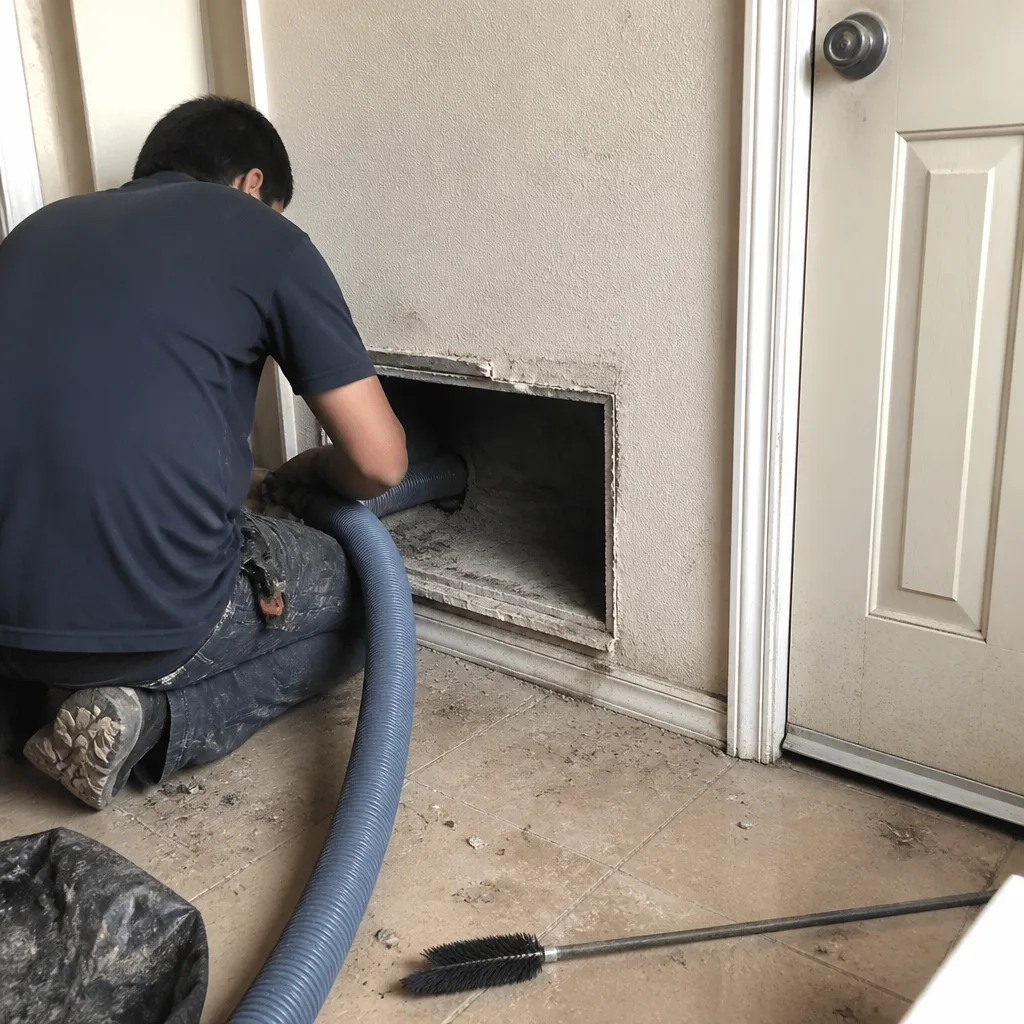
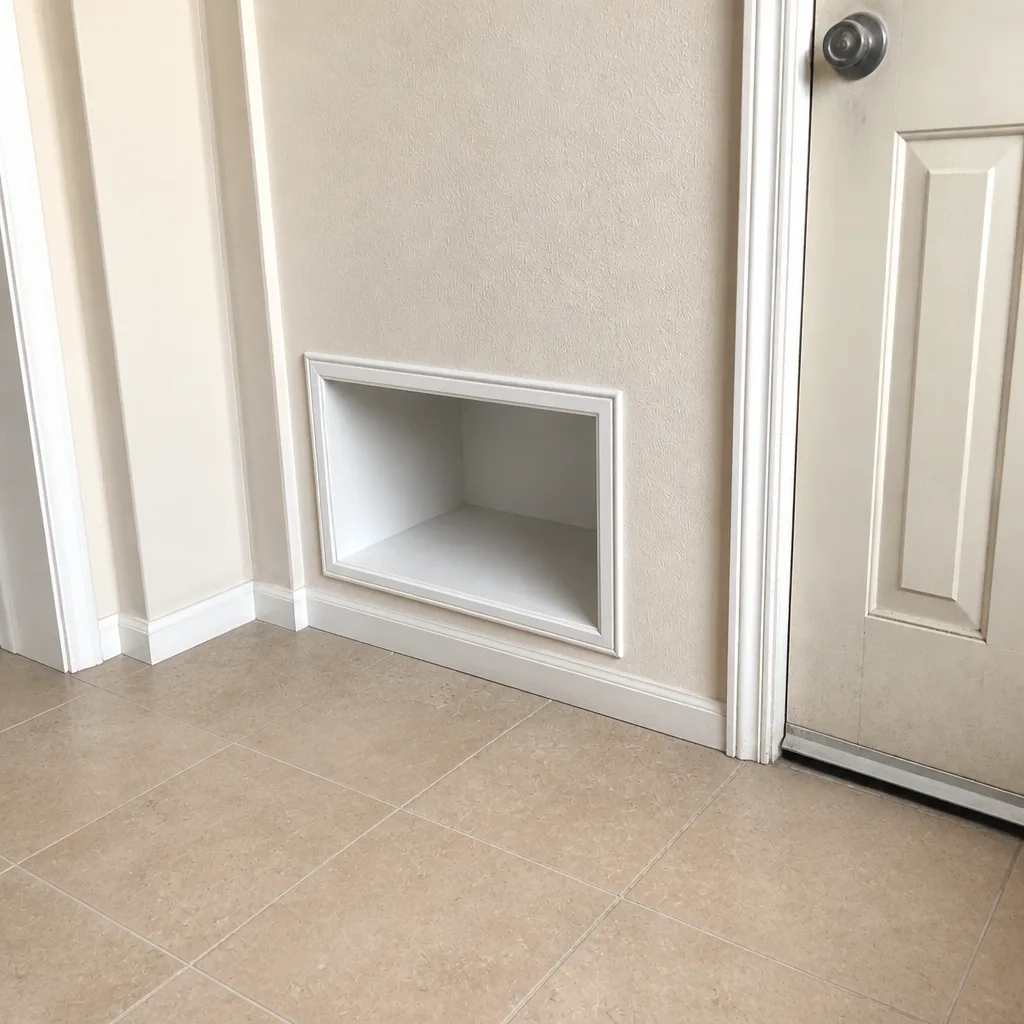
Whole-system duct and dryer vent check with before-and-after photos - you see exactly what came out of your vents
That "$99 whole-house special" is a bait ad - the real number appears once they are in your hallway, or the "clean" is a shop-vac at the register. We photograph the inside of your ducts before and after instead.
Seasonal Air Duct Cleaning Care for Yuma: Year-Round Homeowner’s Guide
Most air duct cleaning advice is built for a climate that has four working seasons. Yuma doesn’t. Here, the thermostat flips from cooling to heating and back with barely a pause, and the events that actually load your ductwork with debris aren’t temperature changes at all. A single haboob rolling through the desert can push more particulate into a home’s return system in one afternoon than a typical house accumulates across a whole year of ordinary living. That means the standard “clean your ducts once a year in fall” calendar is a rough guide at best, and a misleading one at worst. In this guide we’ll walk through Yuma’s real HVAC rhythm, what each season actually deposits in your ducts, and how to time cleaning, filter changes, and inspections so you’re not cleaning into a dirty filter or guessing after a dust storm.
Styles & brands we work with
- Whole-home duct cleaning
- Dryer vent cleaning
- Camera inspection
- Sanitizing & deodorizing
Quick Answer
In Yuma, air ducts should be cleaned on a condition-based schedule tied to monsoon dust events rather than a strict annual date, with a pre-monsoon inspection in May or June and a re-evaluation after any significant dust storm. Homes that sit vacant through the summer heat need a reactivation cleaning and filter change before full-time occupancy resumes. Timing professional cleaning to immediately follow a filter replacement keeps dislodged debris from re-contaminating a system you just paid to clean.
Table of Contents
- Yuma’s Real HVAC Calendar and Why It Breaks the National Model
- Pre-Monsoon Tasks: What to Do in May and June
- Post-Dust-Storm Protocol: Assessing Your Ducts After a Haboob
- Snowbird Vacancy: The Reactivation Checklist Before October
- Timing Cleaning Against Filter Replacement Cycles
- Why the Full Air Pathway Matters, Not Just the Ducts
- What a Professional Cleaning Actually Involves
- Common Mistakes to Avoid
- When to Call a Professional
- Frequently Asked Questions
- The Bottom Line
Yuma’s Real HVAC Calendar and Why It Breaks the National Model
National duct cleaning advice assumes your heating system rests for months in spring and fall and your cooling system rests through the winter. In Yuma, neither happens cleanly. Cooling load starts climbing in April, peaks from June through September, and often runs into October as temperatures linger. Heating kicks in during short winter stretches, usually December through February, then fades. The gap between cooling and heating seasons here is weeks, not months, so there’s no quiet shoulder season when dust settles harmlessly in idle ductwork. Instead, your system keeps pulling air year-round, and that continuous operation means particulate keeps moving.
That continuous airflow matters because duct debris isn’t static. Every time the blower runs, it stirs what’s already sitting on duct surfaces, and whatever isn’t captured by the filter gets recirculated. In a cooler climate, an idle season gives debris time to settle and stay settled. Here, the system never idles long enough for that.
Here’s how Yuma’s calendar actually breaks down:
- January – February: Heating load. Dust from the previous fall is still in the system; a filter check now catches anything that settled during the winter transition.
- March – April: Cooling returns. First significant run of the AC stirs accumulated winter dust, which is why some homeowners notice a smell on the first cool-down of the year.
- May – June: Pre-monsoon window. Lowest humidity of the year; best time for inspection and cleaning before moisture arrives.
- July – September: Monsoon season. Peak cooling load, highest humidity, and the highest chance of a dust event loading your system.
- October – December: Post-monsoon recovery plus the start of snowbird return. Ideal time for a cleaning if the summer was rough.
Understanding this rhythm is the foundation for everything else in this guide. If you want the service overview first, our air duct cleaning page covers the core process.
Pre-Monsoon Tasks: What to Do in May and June
May and June are the most underrated weeks on Yuma’s duct maintenance calendar. Humidity is still low before the monsoon pattern sets in, evaporator coils aren’t yet sweating continuously, and any biological growth already present in the system hasn’t had a chance to bloom. That combination makes pre-monsoon the cleanest window for a professional inspection and, if needed, a full cleaning.
Why the moisture timing matters: when a cooling coil runs hard in high humidity, condensate forms on the coil and in the drain pan. If the coil is already coated in dust and organic debris, that moisture gives mold and bacteria the one thing they were missing. Cleaning before that window means the coil starts the humid season with a clean surface instead of a food source for growth.
The pre-monsoon checklist we’d suggest for a Yuma homeowner:
- Inspect the return side first. Return ducts pull the largest volume of unfiltered air, so they carry the heaviest dust load. A camera inspection of the main return trunk tells you whether a cleaning is warranted.
- Check the drain pan and coil area. Any standing moisture or visible dust film here before humidity arrives is a sign you’ll want the system cleaned, not just the filter swapped.
- Replace the filter before any scheduled cleaning. Clean ducts pulling through a loaded filter re-contaminate almost immediately.
- Look for gaps or loose joints at the air handler. Pre-monsoon is the easiest time to spot damage because you’re not yet dealing with the dust that finds its way in through every gap.
- Book the cleaning, if needed, before July. Once monsoon season starts, the odds of a dust event resetting your work climb sharply.
If pre-monsoon inspection turns up anything, the difference between a cleaning-only contractor and a full-service one matters. We both clean the ducts and repair them, so damage found in June doesn’t sit until October waiting for a second contractor.
Post-Dust-Storm Protocol: Assessing Your Ducts After a Haboob
A haboob isn’t a light dusting. These desert wall-of-dust events carry fine particulate that finds its way into every opening in a house, and your HVAC system’s return air is effectively a giant intake. After a significant storm, the standard annual cleaning schedule is irrelevant; you need to evaluate whether the event overloaded your system or compromised your ductwork.
Here’s the general protocol we’d recommend after a major dust event in Yuma:
- Wait until the storm has fully passed and settled. Cleaning or running the system hard while particulate is still airborne just pulls more in.
- Change the filter before anything else. The filter took the first hit; replacing it early stops the blower from pushing dust past a loaded media.
- Walk the return side of the system. Visible dust film coating the return grill or the inside of return ducts is the clearest sign the storm deposited enough to warrant a cleaning.
- Check for physical damage. Fine particulate can also enter through compromised joints, so a storm is a good prompt to look for gaps, loose flex duct, or disconnected runs at the air handler.
- Watch the first week of system operation. A smell, a persistent haze at the registers, or increased dust settling on furniture after the storm are signals to schedule a professional inspection.
- Call for an assessment if any of the above shows up. A camera and airflow check can confirm whether the ducts held up or need cleaning and repair.
One haboob doesn’t automatically mean a full cleaning, but it does mean the calendar just reset. In our experience, homes near open desert edges and construction zones in Yuma pick up more storm load than homes farther into town, so location matters in how often “unscheduled” cleanings make sense. If you’re unsure, an inspection is the way to skip guessing. You can see our Duct Cleaning Yuma overview for what an inspection covers.
Snowbird Vacancy: The Reactivation Checklist Before October
A large share of Yuma homes sit vacant from roughly May through September while their owners are elsewhere. A vacant home in this climate is its own duct problem. With the system off, outdoor dust still migrates in through gaps and the return, and the interior of the ducts traps whatever doesn’t get stirred. Add heat buildup inside a closed house and you get conditions that turn a dusty system into a musty one by fall.
What we’d recommend before full-time residents return in October:
- Change the filter first, before running the system. In a vacant home, that filter has often been sitting through the entire summer and won’t protect anything.
- Run the system briefly and check for odors. A musty or dusty smell on startup in a vacant home is the most common sign that a cleaning is due. Turn it off if the smell is strong.
- Look at the registers and return grills. Visible dust accumulation on the return side after a summer vacant is a straightforward indicator.
- Inspect the air handler area for moisture. Even during vacancy, condensation-related moisture or a full drain pan is possible; any sign of it means a professional inspection.
- Schedule the cleaning before the return visit, if needed. That keeps the reactivation list short once the house is occupied again.
The key point is that a vacant home’s cleaning schedule runs on its own clock. The national “clean in fall” advice doesn’t help you if the ducts have been sitting through a full Yuma summer. Reactivation inspection is essentially the fall-winter equivalent of the pre-monsoon check.
Timing Cleaning Against Filter Replacement Cycles
One of the most avoidable inefficiencies we see in Yuma is cleaning ducts without addressing the filter first. A loaded filter passes less air and pushes more particulate through every gap in the system. Clean ducts running against a dirty filter re-contaminate within weeks, and you end up doing the job twice. This applies especially in dusty months (post-storm, or early cooling season) when filter loading accelerates.
The sequencing rule is simple: filter first, then cleaning, then check the filter again sooner than normal after the cleaning.
- Before cleaning: replace the filter with the correct size and MERV rating for your system. Don’t upsize the MERV rating without checking what your equipment can handle.
- During cleaning: have the filter changed after the cleaning if the cleaning generates any dislodged debris that reaches the filter housing.
- After cleaning: check the filter at close intervals for the first month, because the cleaning stirs up anything that had been settled.
For homes that want to upgrade filtration at the same visit, we work with Duct Cleaning Yuma filtration lines from Honeywell and Aprilaire, and can match a filter upgrade to what your system’s static pressure can tolerate. Guardsman products also come up as an option for post-cleaning upgrades on some systems. The point isn’t to sell filtration; it’s to make sure the dust you just removed doesn’t return quickly because the filter is undersized for a dusty climate.
A general rule worth stating: if your filter is already loaded when the cleaning is scheduled, the cleaning will be working against a dirty system. Swap it first.
Why the Full Air Pathway Matters, Not Just the Ducts
Ductwork is one segment of a longer pathway. Air moves through the return grills, the return ducts, the air handler and coil, the supply trunks and branches, and out through the registers and vents. In Yuma, two ends of this pathway deserve as much attention as the ducts themselves: the return side, which gets the heaviest dust load, and the dryer vent, which is a fire safety issue and a separate failure mode entirely from HVAC ducts.
A cleaning that stops at the return trunk and the supply runs misses the air handler connections where debris settles, and it misses the dryer vent, which exhausts lint that accumulates regardless of what’s happening in the HVAC system. Our dryer vent cleaning is part of the same service visit if you want it, which keeps the full pathway under one scope rather than three contractors.
What “full pathway” means for your Yuma home in practice:
- Return ducts and main trunk: the highest-load section, especially after dust events. First place to check.
- Air handler and coil area: where dust combines with condensate and where growth starts if it’s not cleaned before monsoon humidity.
- Supply trunks and branch runs: usually lighter load, but worth including for a complete clean, and where we most often find loose or separated connections.
- Registers and vents: the visible end of the system, and often the first place a homeowner notices dust after a storm.
- Dryer vent (separate but related): lint buildup is a fire safety concern and an efficiency concern. It’s worth inspecting at the same visit as the HVAC ducts.
If damage shows up mid-cleaning, our approach is to handle it under the same visit. Duct repair is not a separate referral, it’s part of what we do, and we’ll flag it before starting any additional work. Yuma homeowners who’ve been through a couple of monsoon seasons tend to appreciate that, because a cleaning that halts at the first damaged joint leaves them hunting for a second contractor.
What a Professional Cleaning Actually Involves
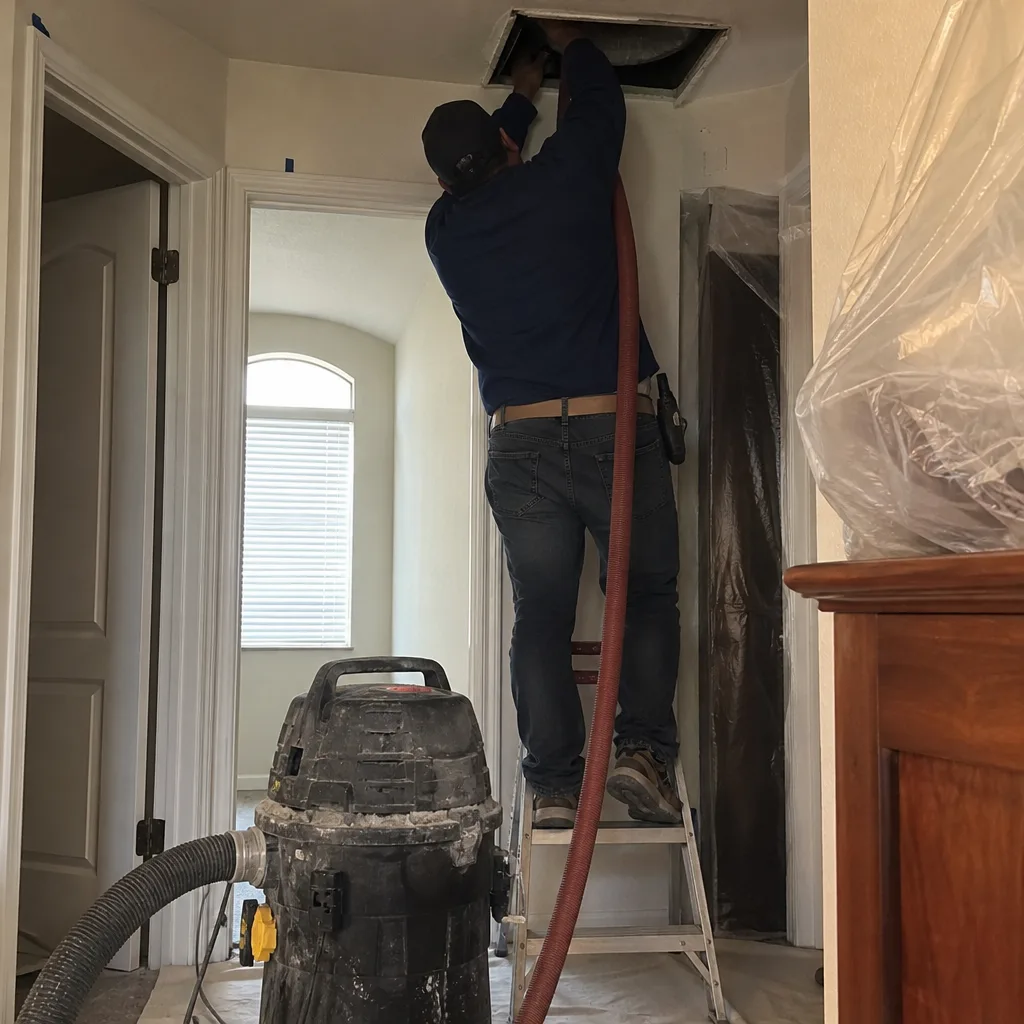
If you’ve never had ducts cleaned, it helps to know what a professional visit looks like so you can tell it apart from a shop-vac and a hose. A professional-grade cleaning uses equipment designed for HVAC work: rotary agitation to loosen debris from duct walls, HEPA extraction to remove it, and containment to keep the debris from spreading into the living space. That last point is what separates a real cleaning from a dust storm inside your house.
Here’s how a professional cleaning runs, in general:
- Camera and airflow inspection. Before touching anything, we assess the system to know what we’re working with.
- Containment setup. The work area is sealed and negative air is set up so that dislodged debris doesn’t travel into your home. We use Abatement Technologies air-scrubbing and negative-air equipment for this, the same class of gear used in professional remediation work.
- Agitation. A rotary-brush system (we use Rotobrush, purpose-built for duct interiors) loosens debris from duct walls so it can be extracted rather than pushed through.
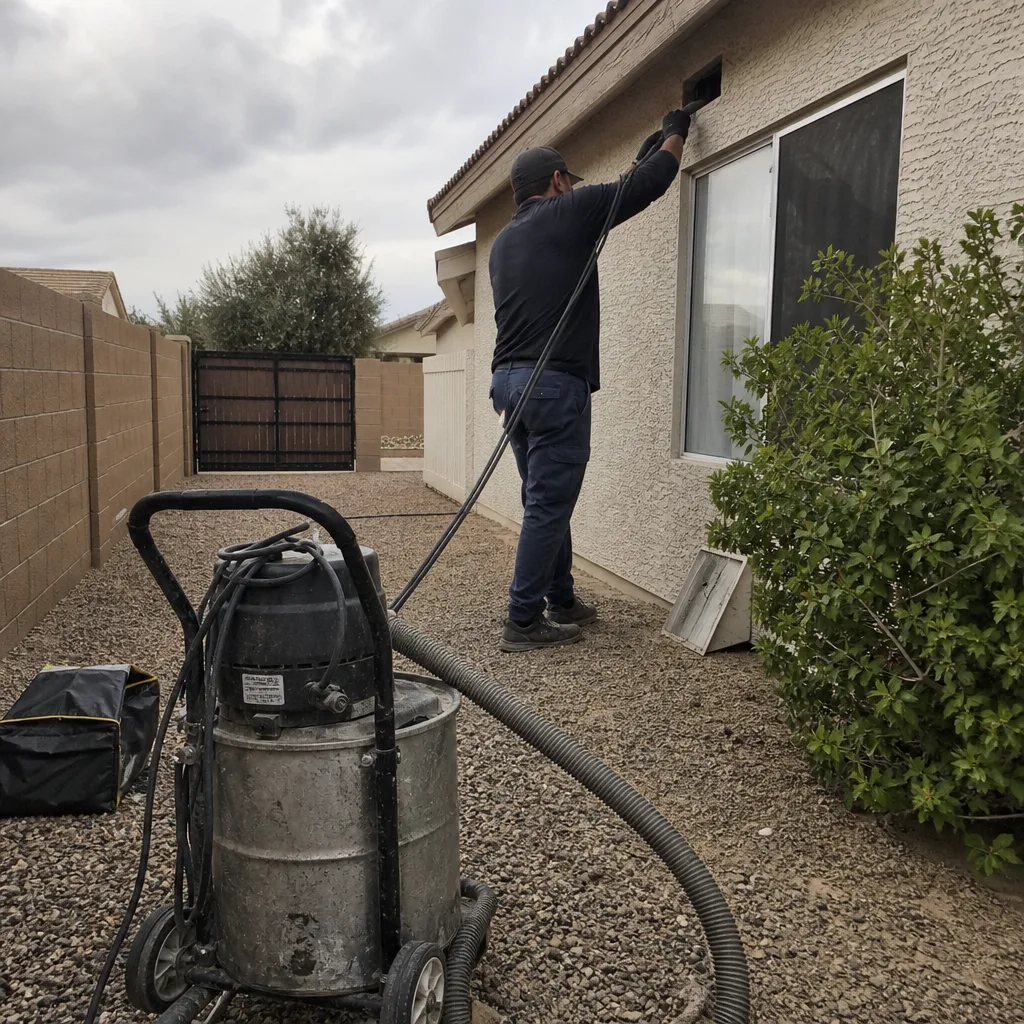
- Extraction. Nikro HEPA-rated vacuum equipment removes the loosened material. The combination of agitation and extraction is the point; without both, you’re just rearranging dust.
- Damage check. If the inspection turns up gaps, separated joints, or damaged flex duct, we note it and, with your approval, repair it under the same visit.
- Filter and filtration review. Post-cleaning is the right time to confirm the filter is correctly sized and, if you want, consider a filtration upgrade for a dust-heavy home.
For property managers and homeowners comparing quotes, the most useful question to ask is what equipment a contractor brings. A van with a shop vac and a compressor isn’t a duct cleaning rig; it’s the same equipment that agitates debris and redistributes it. Our Yuma service page has more detail on what the visit includes.
Common Mistakes to Avoid
- Following a fixed annual cleaning date. Yuma’s dust events don’t respect a calendar, so a fall-only cleaning leaves you managing a storm-loaded system with no plan. Use the calendar as a guide, not a rule, and let inspections after dust events reset the schedule.
- Cleaning into a dirty filter. This is the most common re-contamination mistake in a dusty climate. Change the filter first, then clean; a loaded filter will push particulate back into clean ducts almost immediately.
- Skipping the return side. Returns carry the heaviest dust load in a Yuma home, so any cleaning that just treats the supply side is incomplete. Insist that both sides are covered.
- Waiting for a smell before checking. By the time you smell mustiness in a vacant or post-monsoon home, the system has typically been holding moisture-and-debris conditions for weeks. Inspect before the smell, not after.
- Skipping the dryer vent because the ducts are done. Lint buildup in the dryer vent is a fire safety concern independent of the HVAC ducts. If the crew is there for HVAC, it’s worth checking the dryer vent at the same visit.
- Treating a duct cleaning as a filter change in disguise. A filter captures what reaches it; cleaning the ducts removes what never made it to the filter. These are separate tasks and both matter in Yuma’s dusty seasons.
- Assuming a storm inspection isn’t needed. Even when the system seems fine after a haboob, a camera inspection is the only way to know if particulate has settled into the trunk line. The visible registers don’t tell you what’s behind them.
When to Call a Professional
Most homes in Yuma don’t need professional duct cleaning on a strict timetable; they need a professional when specific conditions show up. Call us if any of the following apply: you’re noticing a persistent musty or dusty smell on system startup, especially in a vacant home before October return; you’ve had a significant dust storm and either the return grills show visible dust or the first week of operation after the storm left a haze at the registers; you’re prepping for monsoon and want an inspection before humidity arrives; or your dryer vent hasn’t been checked and the dryer is taking longer to dry clothes. Duct Cleaning Yuma offers free estimates in Yuma; call (888) 871-1789. We answer 24/7. Fast dispatch from 7am to 7pm, Sunday through Friday, closed Saturday.
Frequently Asked Questions
For most Yuma homes, condition-based cleaning tied to dust events and pre-monsoon inspection works better than a strict annual date. A general starting point is an inspection each spring, a cleaning if inspection or a post-storm check shows load, and a reactivation cleaning for homes that sat vacant through the summer. Because the local climate can override any calendar, the inspection matters more than the interval. Call (888) 871-1789 for a free estimate – estimates are free.
We don’t publish a per-vent price because whole-system scope varies so widely. Pricing is set per job by the written estimate after we’ve inspected the system, with a flat one-price-per-system approach agreed before work begins. Any contractor quoting a low teaser figure before seeing the system is quoting a number that won’t survive the visit. Call (888) 871-1789 to schedule a free estimate.
Not automatically, but you should assess for it. Change the filter first, look at the return side for visible dust film, check for damaged or separated runs, and watch for a smell or haze in the first week after the storm. If any of those show up, a professional camera and airflow inspection is the reliable way to know whether a cleaning is due. Call (888) 871-1789 for a free estimate.
The most common reason is equipment. A cheap quote often comes from a van with a shop vacuum and a compressor rather than professional rotary-brush and HEPA extraction equipment with containment. That approach agitates dust without capturing it, so it can redistribute debris rather than remove it. A whole-system flat price on a real rig, agreed before work starts, is the comparison that matters. Call (888) 871-1789 for a free estimate.
Ask for before-and-after photos of the system, and specifically of the return trunk and air handler area where the load is heaviest. A professional cleaning should also include a walk-through after the visit. If a contractor won’t document the state of the system before and after, that’s a sign to ask why. Call (888) 871-1789 to schedule your estimate.
Change the filter first, run the system briefly and check for odors, look at the registers and return grills for dust, and inspect the air handler area for any moisture. If any of these show up after a summer vacant, schedule a professional reactivation cleaning before the house is fully occupied again. Call (888) 871-1789 for a free estimate in Yuma.
The Bottom Line
Yuma’s climate rewrites the usual seasonal duct cleaning script. The system runs almost year-round, monsoon dust events reset any fixed cleaning calendar, and the pre-monsoon window in May and June is the cleanest time to get ahead of humidity-driven problems. Snowbird homes need a reactivation check before October occupancy. Timing matters: filter first, cleaning second, and re-check the filter afterward so a loaded media doesn’t undo the work. The most useful habit is inspection-based maintenance rather than a strict annual cleaning. If you’d like to know where your ducts stand, we’re glad to take a look. Call (888) 871-1789 for a free estimate. We answer 24/7. Fast dispatch from 7am to 7pm, Sunday through Friday, closed Saturday.
Written by the team at Duct Cleaning Yuma.
See the difference
 Before
 After
 Before
 After
 Before
 After