
Last updated November 15, 2026
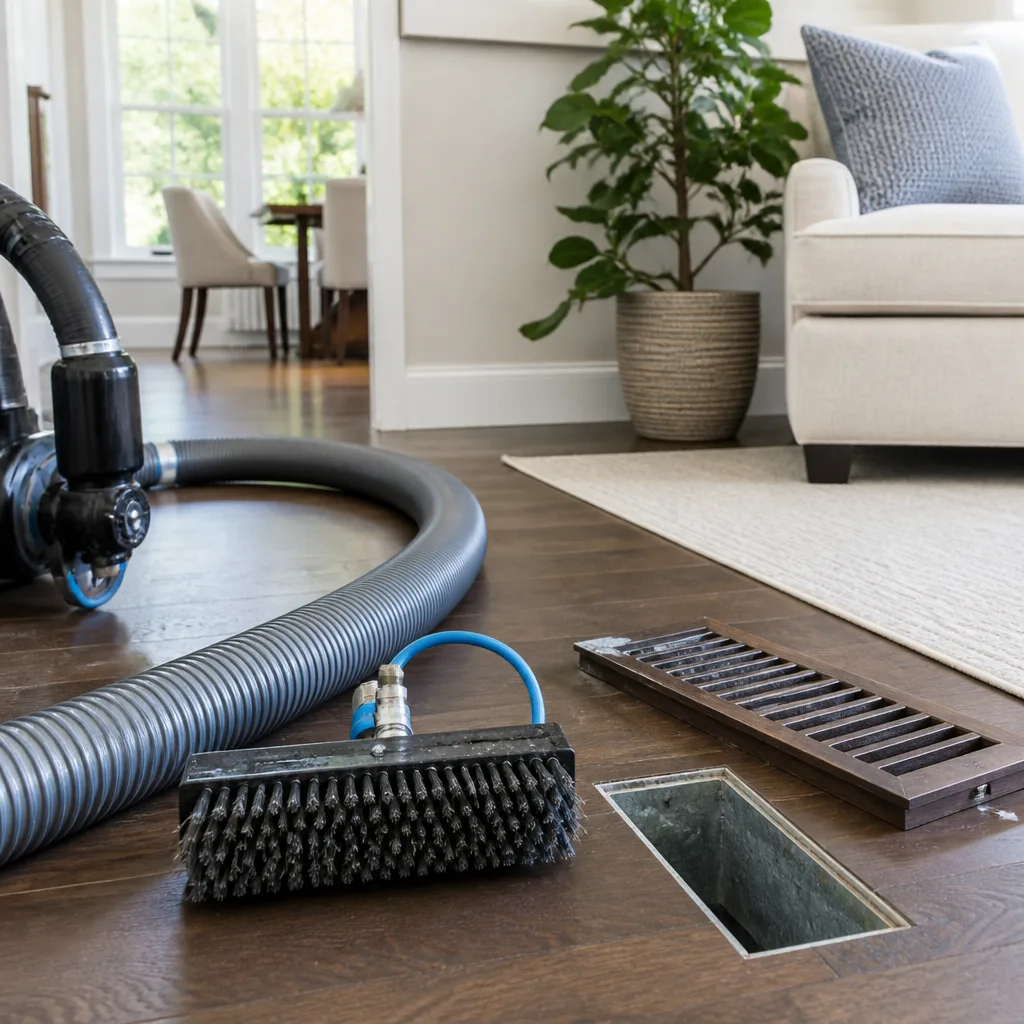 Whole-home duct cleaning
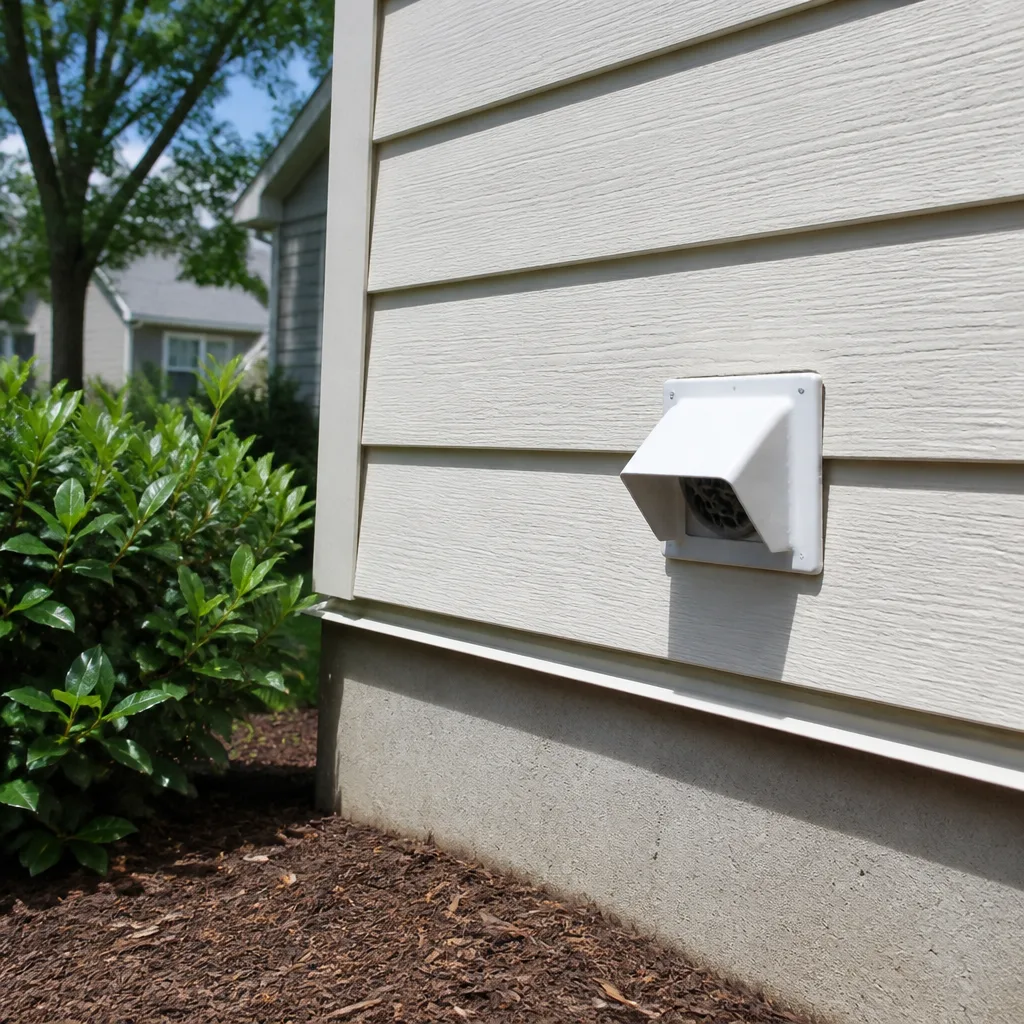 Dryer vent cleaning
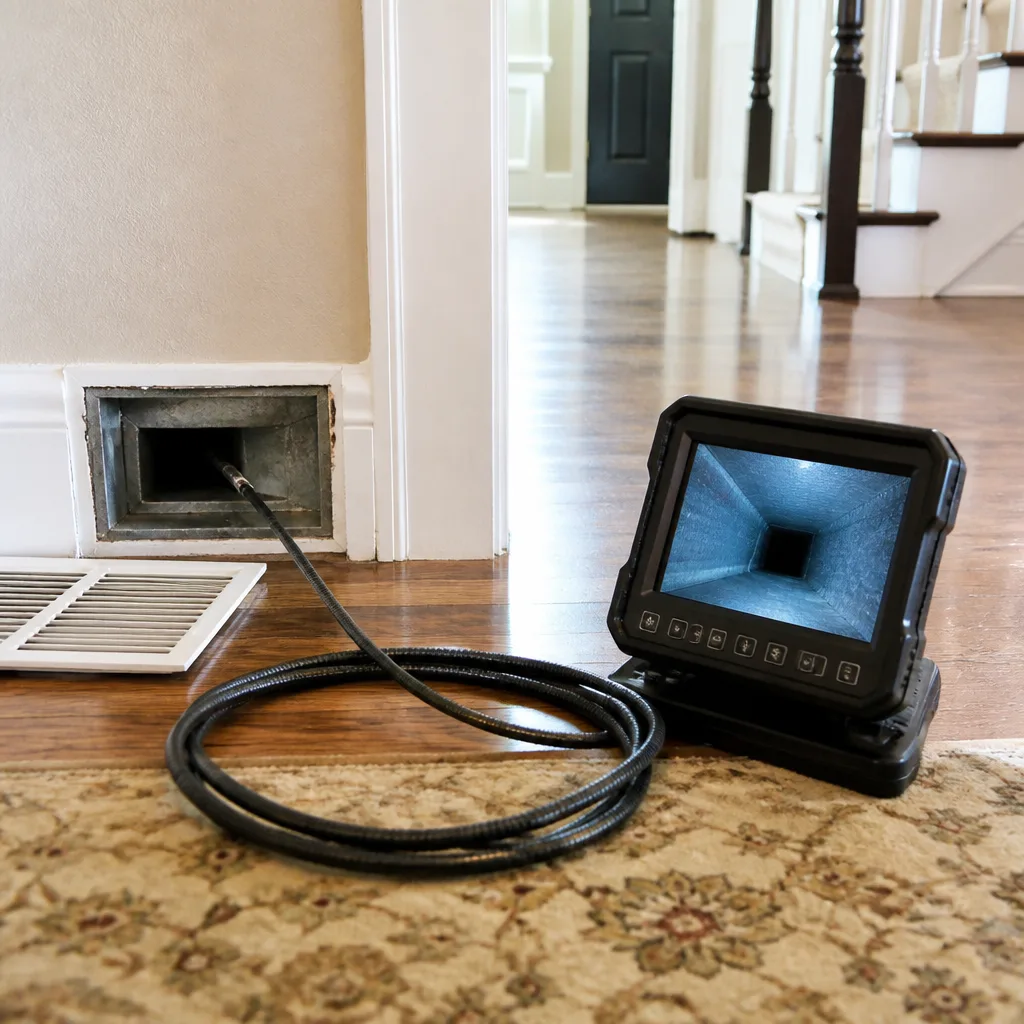 Camera inspection
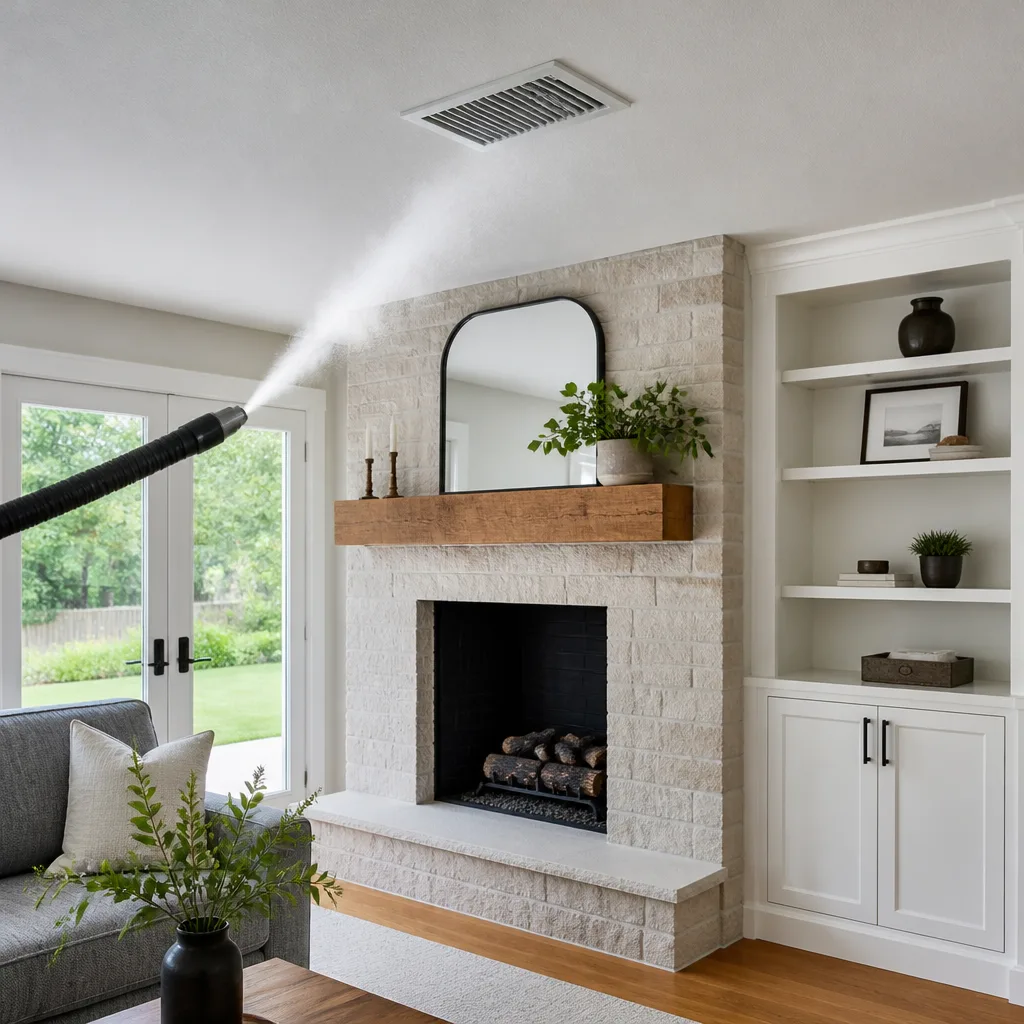 Sanitizing & deodorizing
Whole-system duct and dryer vent check with before-and-after photos - you see exactly what came out of your vents
That "$99 whole-house special" is a bait ad - the real number appears once they are in your hallway, or the "clean" is a shop-vac at the register. We photograph the inside of your ducts before and after instead.
How to Hire an Air Duct Cleaning Contractor in Yuma: A Step-by-Step Guide
The most expensive duct cleaning in Yuma isn’t the highest quote – it’s the low bid that comes back around a second time. Here’s the misconception worth clearing up first: a contractor who shows up with a portable “duct cleaning machine” that pulls less than 1,500 CFM of negative pressure can’t dislodge compacted debris from long trunk runs in the large single-story homes common across Yuma. It agitates the top layer of dust, the invoice gets paid, and the actual debris stays right where it was. This guide gives you a technical screening process – the exact equipment questions to ask, how to read a scope of work, and how to verify the job afterward – so you can tell the difference before anyone walks in your door.
Quick Answer
To hire an air duct cleaning contractor in Yuma, ask three questions before you book: what CFM rating their negative air machine carries, whether their vacuum is HEPA rated, and whether they bring contact vacuuming tools into the house. A legitimate contractor will answer all three on the phone and put the scope in writing. If the answers are vague, or the quote arrives without anyone asking about your square footage and duct count, keep calling.
Styles & brands we work with
- Whole-home duct cleaning
- Dryer vent cleaning
- Camera inspection
- Sanitizing & deodorizing
Table of Contents
- Why Yuma Ducts Are a Different Job
- The Equipment Questions to Ask Before You Book
- What NADCA Membership Actually Verifies
- Red Flags Specific to the Yuma Market
- How to Build a Comparison Quote
- Reading a Scope of Work Document
- Post-Job Verification: The Three Checks
- Why the Full Air Pathway Matters
Why Yuma Ducts Are a Different Job
Yuma’s desert climate drives fine dust and sand into return grilles and supply registers in a way that humid or coastal markets don’t have to deal with. That dust doesn’t always move through – a good share of it settles, compacts against the bottom of horizontal trunk runs, and sets up like a silt layer. Those long single-story trunk runs, common in the wide homes built across this part of the Sonoran Desert, give debris plenty of distance to accumulate. By the time a system has run a few seasons, the bottom of a trunk line can carry a good deal of settled material.
That matters for hiring because the equipment has to match the job. A shop vac or a repurposed blower unit doesn’t have the pull to lift compacted silt off a long horizontal run – it just kicks up what’s loose. A proper negative air machine creates enough suction through the system to keep material moving toward the collection point while a rotary brush agitates it free. When the suction side is undersized, the agitation is meaningless. You’re paying for a brush that circles through a cloud of dust.
Large single-story homes also mean more duct run per system word count. A contractor who quotes by bedroom count rather than actual duct length and system layout is guessing. Bay window, bonus room, casita – these are all different runs with different dust loads. In a place where dust arrives constantly, the first question a real contractor asks is how big the house is, how many registers feed it, and whether there’s an addition or separate zone. If nobody asks, nobody scoped the job.
If you want to understand what a genuinely thorough cleaning looks like in this climate, our air duct cleaning page outlines what a full-system job covers, start to finish.
The Equipment Questions to Ask Before You Book
This is the single most useful screening tool you have, and almost no homeowner uses it. You don’t need to understand HVAC engineering to ask four direct questions and see whether the person on the phone can answer them without hesitation. Write these down before you call.
- What’s the CFM rating on your negative air machine? CFM is cubic feet per minute – the measure of how much air the vacuum moves. Ask for the number. A machine in the low thousands of CFM is positioned to actually pull debris through a residential system; very low ratings are the giveaway that the “duct cleaning” is surface-level. If the answer is “we’ve got a good one,” that’s not an answer.
- Is your vacuum HEPA rated? HEPA filtration traps the finest particles – the ones that would otherwise end up back in your air the moment they’re disturbed. This matters everywhere, and it matters especially in a dusty market where the material coming out of the ducts is fine and easily airborne.
- Do you bring contact vacuuming tools inside? Contact vacuuming means the technician physically places a HEPA-filtered tool against each register and opening and cleans it directly. A crew that only works from one central connection point and never touches individual registers isn’t cleaning the whole system.
- Do you use containment or air scrubbing during the job? Disturbing years of settled dust without containment just redistributes it into your living space. Professional remediation work uses negative air and air scrubbing to hold debris in the work zone. Ask whether the contractor applies the same principle to duct work.
Our technicians run Rotobrush rotary-brush systems for agitation and Nikro HEPA-rated equipment for extraction, along with Abatement Technologies containment and air-scrubbing gear. That combination is what separates a cleaning from a dust event. You’re not required to hire us – but you should hear that level of specificity from whoever you do hire. Our technicians have up to 11 years of experience, and the equipment list above is the same standard we hold every job to.
What NADCA Membership Actually Verifies
NADCA – the National Air Duct Cleaners Association – publishes the ACR standard, the industry reference for how a duct cleaning should be assessed and performed. Membership in NADCA is a strong signal, and when you’re hiring in Yuma it’s a reasonable starting filter. It is also a floor, not a ceiling, and homeowners routinely treat it as the finish line when it’s really the starting line.
Here’s what NADCA membership can reasonably tell you: the contractor has chosen to align with a recognized industry body, has likely committed to the association’s standards of practice, and has access to training resources. What it does not verify, in any direct way:
- The specific equipment in the truck on the day of your job. A company can hold membership and still field a crew with a small portable unit on a given job.
- The experience level of the technician who actually arrives at your house.
- The quality of the scope of work you’re quoted – membership doesn’t standardize how jobs are written up.
- Whether repair work is included when damage is found, or whether the crew simply notes it and leaves.
So use membership as an initial filter, then run the equipment questions from the previous section. A contractor who holds membership and answers the CFM, HEPA, and contact-vacuum questions with confidence is a genuinely strong candidate. Membership alone, with a vague “we use professional equipment” response, tells you much less than it appears to. Good contractors are happy to be asked – the questions signal you know what you’re screening for, and the ones who can answer them tend to answer warmly.
Red Flags Specific to the Yuma Market
Because Yuma’s dust load keeps duct cleaning top of mind for a lot of homeowners, the market attracts both excellent contractors and opportunists. The opportunists know how to sound like the real thing. A few patterns come up again and again in this region.
- Door-hangers advertising a “$49 whole-home special.” A whole-home cleaning at that price can only be a loss leader or a partial job. What it usually means is a surface run with an undersized machine, a very short appointment, and an upsell attempt for “mold” or a “sealant” once the technician is inside. The honest version of that offer is a whole-system range quoted after someone looks at the system.
- Quotes given without asking about square footage or duct count. If you call and give your address, and the quote is a flat number before they’ve asked how many square feet you have and how many registers feed them, you’re being quoted for an imagined average house, not yours. The whole price was invented on the phone.
- No written scope of work. If the quote is a text message or a verbal number, ask for it on paper – or at least in an email – before anyone books. A real scope names the system, the access points, the equipment, and what’s included.
- “We’ll clean the ducts and check for problems” with no repair capability. Cleaning-only operations that find damaged ductwork can only tell you about it. Nothing wrong with that in itself, but a homeowner who wants the fix done in the same visit should look for a company that handles repair. We repair ductwork we find damaged – same visit, same crew.
- Quotes that don’t mention the dryer vent. Dryer vent lint is a fire concern separate from air quality, and a full-pathway contractor will ask when it was last cleaned. A contractor who quotes air ducts only and never mentions the dryer vent is leaving a real task on the table.
- Pressure to book today. A strong contractor doesn’t need artificial urgency. A specific, written quote you can think about overnight is the sign of someone confident in the number.
How to Build a Comparison Quote
To compare duct cleaning quotes in Yuma properly, line up the proposals side by side and check that each one covers the same work. A quote is only “cheaper” if it’s for the same job. Most often it isn’t – the low bid is missing labor, missing register-by-register work, or missing the equipment.
A well-structured quote for a residential system usually carries these line items – or at minimum, the scope should address them:
- System assessment – itemized separately, or confirmed included, before cleaning starts
- Access creation and resealing – where does the crew open the system, and how does it close it back up?
- Negative air setup – the equipment, its CFM, and whether containment is used
- Contact vacuuming of registers and openings – how many, and whether every one is covered
- Rotary brush agitation of main runs and branches – the full run, not just the trunk
- Return side – often the dirtiest part and the most commonly omitted line
- Dryer vent – quoted separately if you want it, but at least acknowledged
- Post-clean verification – video inspection and a written report
- Repair findings – what happens if damaged ductwork is found
A bid that comes in dramatically below the others without addressing most of that list is not a bargain – it’s a bid for a smaller job than you think you’re buying. Ask the low bidder directly: “Which line items are included in this number?” The answer usually explains the gap in about thirty seconds. And if the answer is “all of it,” ask for the number in the scope of work.
Reading a Scope of Work Document
A scope of work is the written plan for what happens at your house. It should be specific enough that a different contractor could read it and know exactly what was done. Most homeowners read the price and skim the rest. Read the rest first. Price without scope is meaningless.
Here’s how to evaluate one:
- Does it describe your system specifically? Square footage, number of registers and returns, number of zones. If those numbers aren’t in the document, it’s a generic template.
- Does it name the equipment? Machine type or classification, and whether the vacuum is HEPA rated. “Professional equipment” is not a scope.
- Does it state how the work area is protected? Floor protection, corner guards, containment. A crew working in a Yuma home in dusty conditions has ample reason to think through this.
- Does it list the access points? Where the crew will open and re-seal the duct. Resealing matters – an opened duct that isn’t properly closed becomes a leak that undermines the cleaning.
- Does it define the finish line? A completion report with before-and-after photos, and ideally video inspection footage you keep.
- Does it say what happens if damage is found? Repair findings, and whether the company can perform the repair in the same visit or flag it for later.
If a company hands you a one-page quote with a price and a signature line and nothing else, you have a price, not a scope. Ask for the scope before you sign. A confident contractor will be glad to provide it.
Post-Job Verification: The Three Checks
The job isn’t done when the truck pulls away. The last step of hiring an air duct cleaning contractor well is verifying the work – and this is where an honest contractor welcomes scrutiny. Do these three checks.
1. Request the video inspection footage. A proper cleaning can be documented with camera footage from inside the duct before and after. Ask for it. If you’re shown the footage on the technician’s screen, ask that it be sent in writing after. A contractor without any inspection capability is cleaning blind – and that includes not being able to show you what was done.
2. Check register airflow balance. After cleaning, walk the house and feel the airflow at each register. Airflow should be consistent and unobstructed. A register that suddenly feels weak or strong after a cleaning can indicate a dislodged component, an access panel not properly resealed, or a branch that wasn’t fully cleaned. Note anything uneven and call it in while the job is still fresh.
3. Read the completion report. Ask ahead of time what you’ll receive. A real completion report should include:
- The date and the scope of work performed
- The system sections cleaned – supply, return, registers, and any dryer vent
- Before-and-after photos of interior ductwork
- Any damage found, and whether it was repaired or flagged for repair
- The equipment used
- The name of the company and a contact for questions
If the report is a handwritten note saying “cleaned,” ask for a fuller document. That’s a reasonable request, and a professional contractor will produce one.
Why the Full Air Pathway Matters
The air in your house doesn’t just travel through ductwork and stop. It moves through supply ducts, returns, the air handler, the filter system, and in many homes the dryer vent is a separate – and separate-hazard – pathway. Hiring a contractor who cleans only one slice of that path leaves the rest untouched, which is why a lot of homeowners end up with three contractors on the same home in the same year. One for the air ducts, one for the dryer vent, one for the filter upgrade. It’s a lot of disruption for a system that should be serviced as one.
We take the opposite approach. In our experience, an air pathway handled in one visit is both a cleaner job and a cheaper total. Supply and return ducts, dryer vents, and the connections in between get addressed together – and if the ducts are still carrying air through an aging filter, upgrading filtration while the crew is on site is the last step in the same visit. We work with Honeywell, Aprilaire, and Guardsman filtration lines for exactly this reason.
For homeowners in the Foothills and out toward Avenue B, the practical version of that looks like: full-system clean, dryer vent cleaned while the crew is there, and a filtration conversation at the end. For those who want to start with the biggest single fire-safety item, our dryer vent cleaning service is the natural place to begin. For everything at once, start with Duct Cleaning Yuma and we’ll walk through the scope together.
Common Mistakes to Avoid
- Booking on price alone, without reading the scope. Two quotes that differ by hundreds of dollars are almost never the same job. The lower number usually omits the return side, contact vacuuming, or both. Read the scope, not just the total.
- Assuming the machine on the truck is the machine in the quote. A company can be capable of excellent work and still send a smaller crew to your house. Ask ahead of time what equipment will arrive, and confirm the CFM and HEPA details in the conversation.
- Not asking who takes responsibility for damage found. Cleaning-only contractors will point out problems they can’t fix. If you want damage repaired in the same visit, hire a company that does both.
- Skipping the dryer vent. In a market where dust is constant, lint accumulates fast. A dryer vent clean is a separate safety job from duct cleaning and worth pairing – ask for it up front so the crew brings the right tools.
- Failing to check airflow after the job. A register left halfway sealed by a poor reseal after cleaning is a small problem that becomes a bigger one with time. Walk the house the same day and report anything unusual immediately.
- Believing the “sealant” upsell pitch without verifying the material. Some contractors use a duct cleaning visit as a sales opportunity for sealing products of dubious value. If a sealant is recommended, ask what it is, what it does, and whether a written report documents it.
- Treating NADCA membership as the whole screening process. It’s a solid start and not a finish line. The equipment questions are what really separate a quality hire from a qualified-looking one.
See the difference
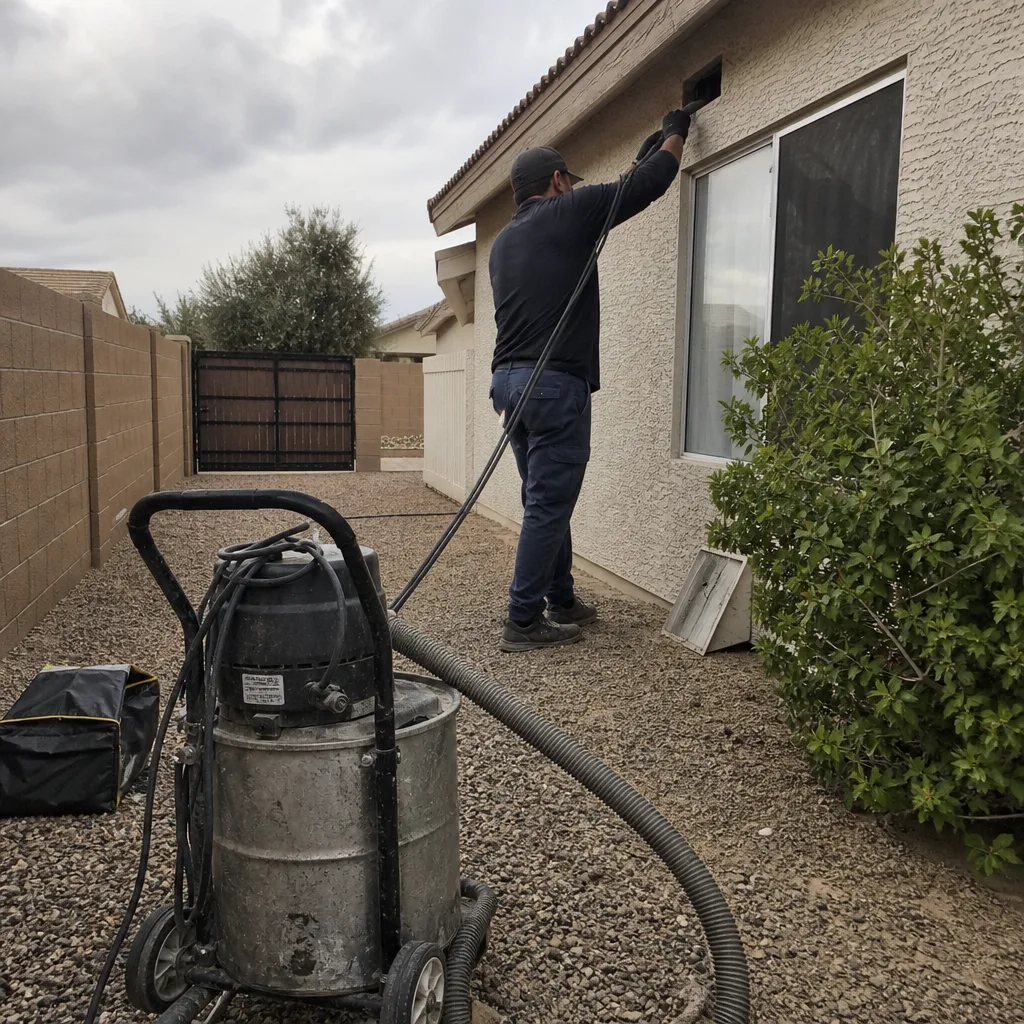 Before
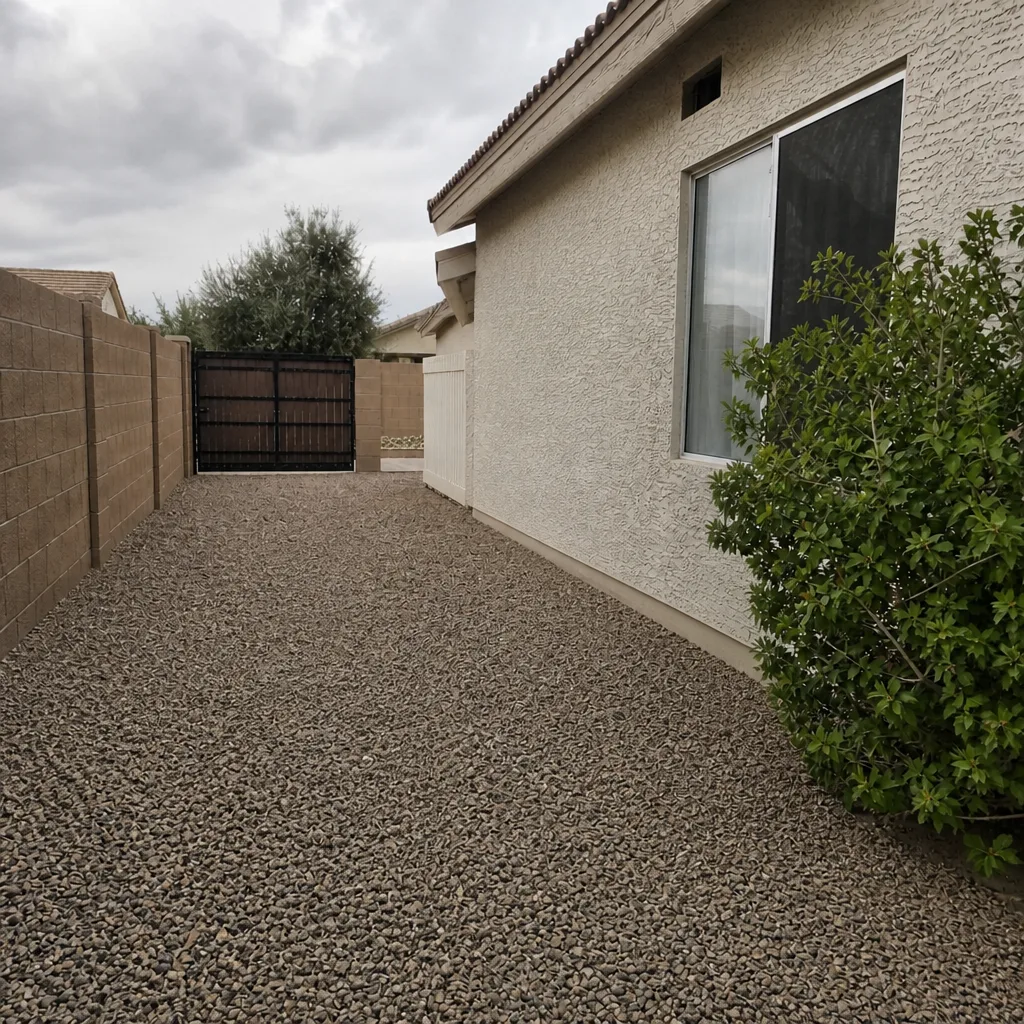 After
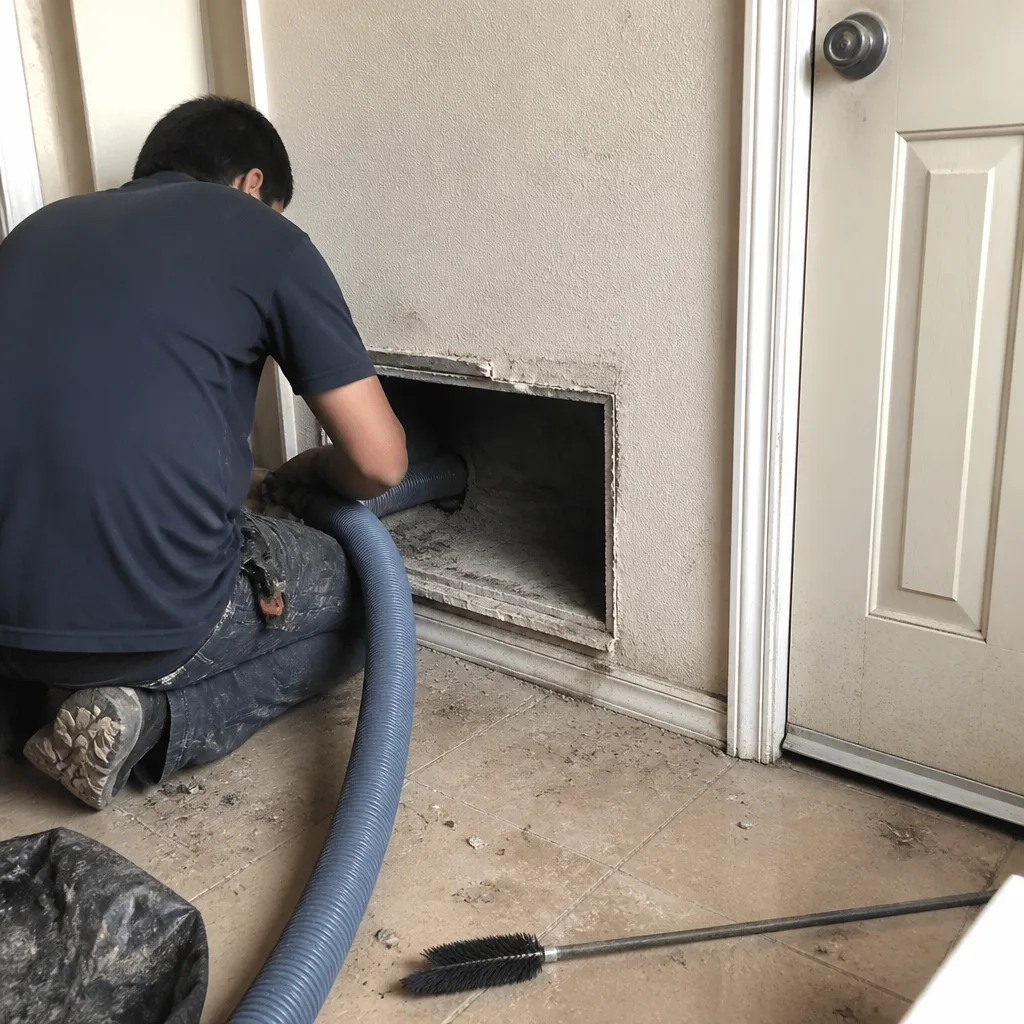 Before
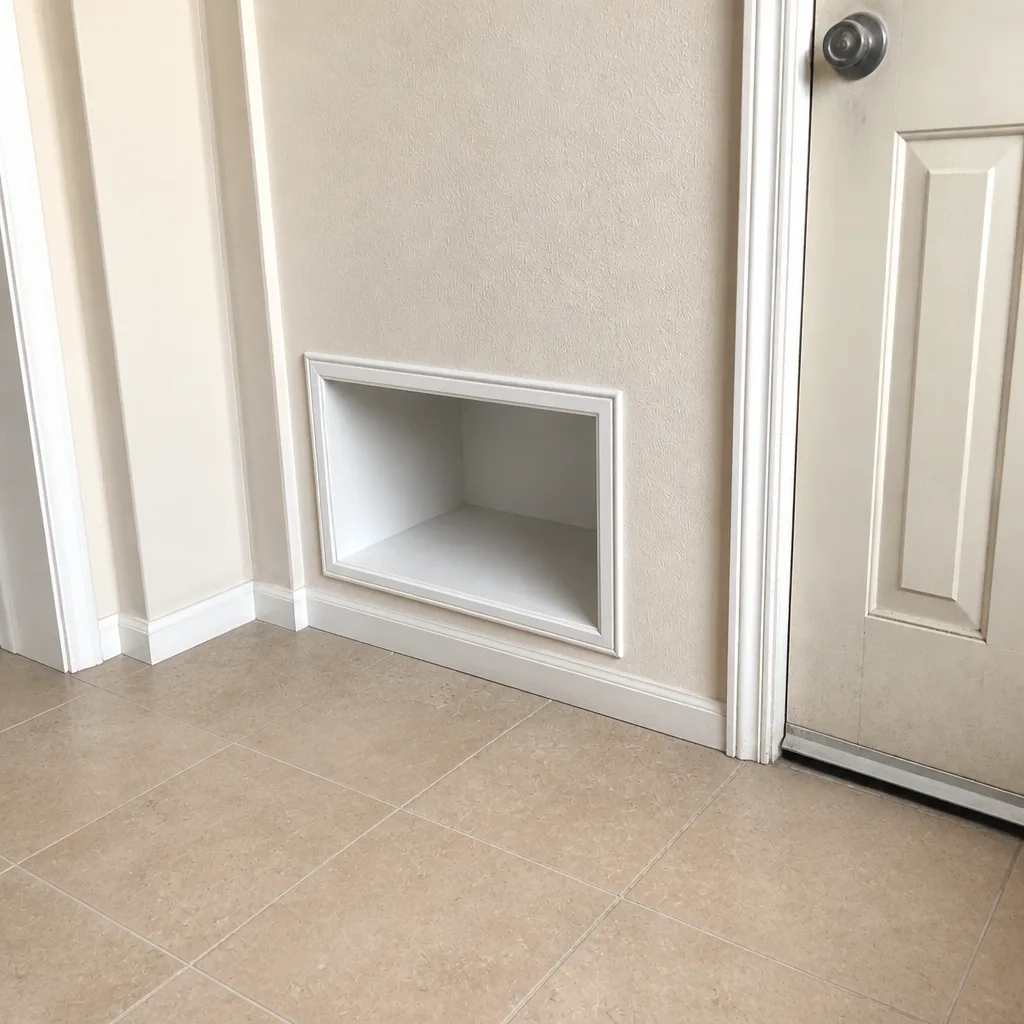 After
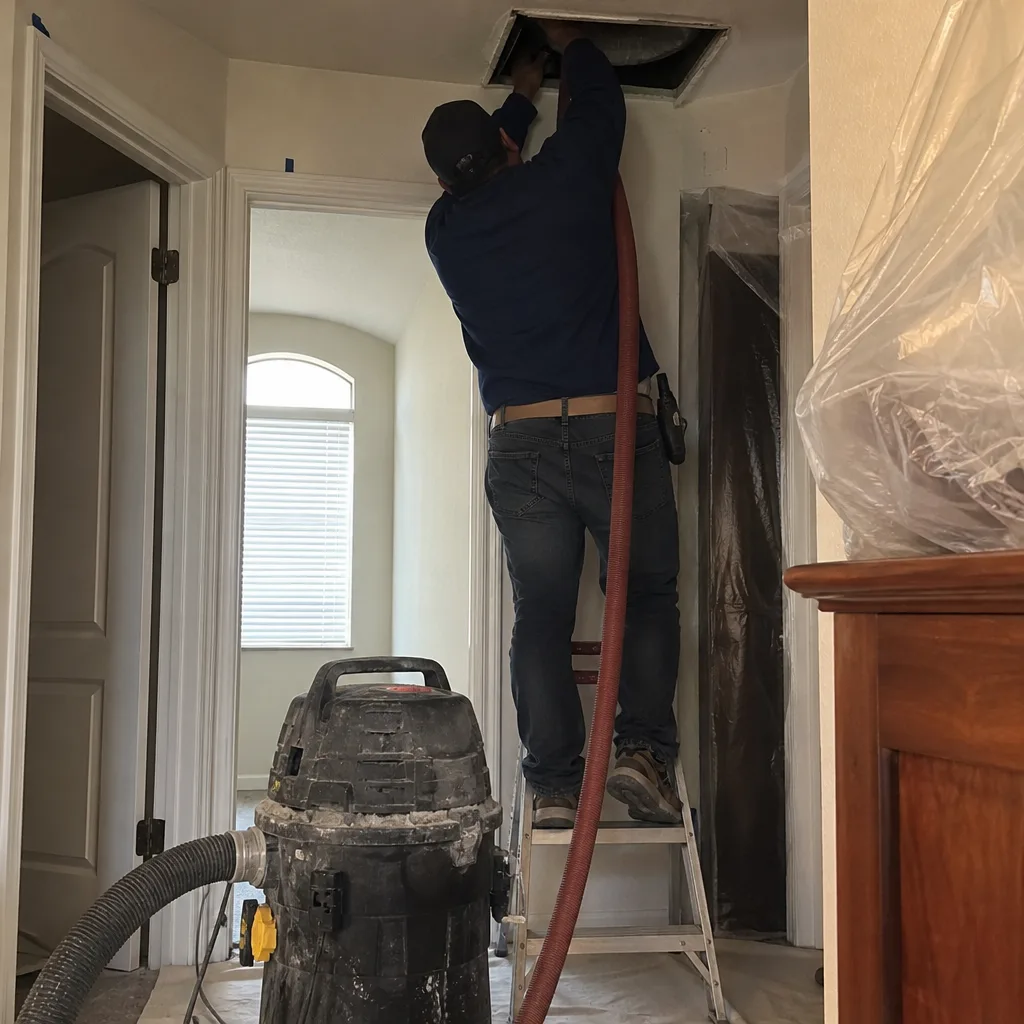 Before
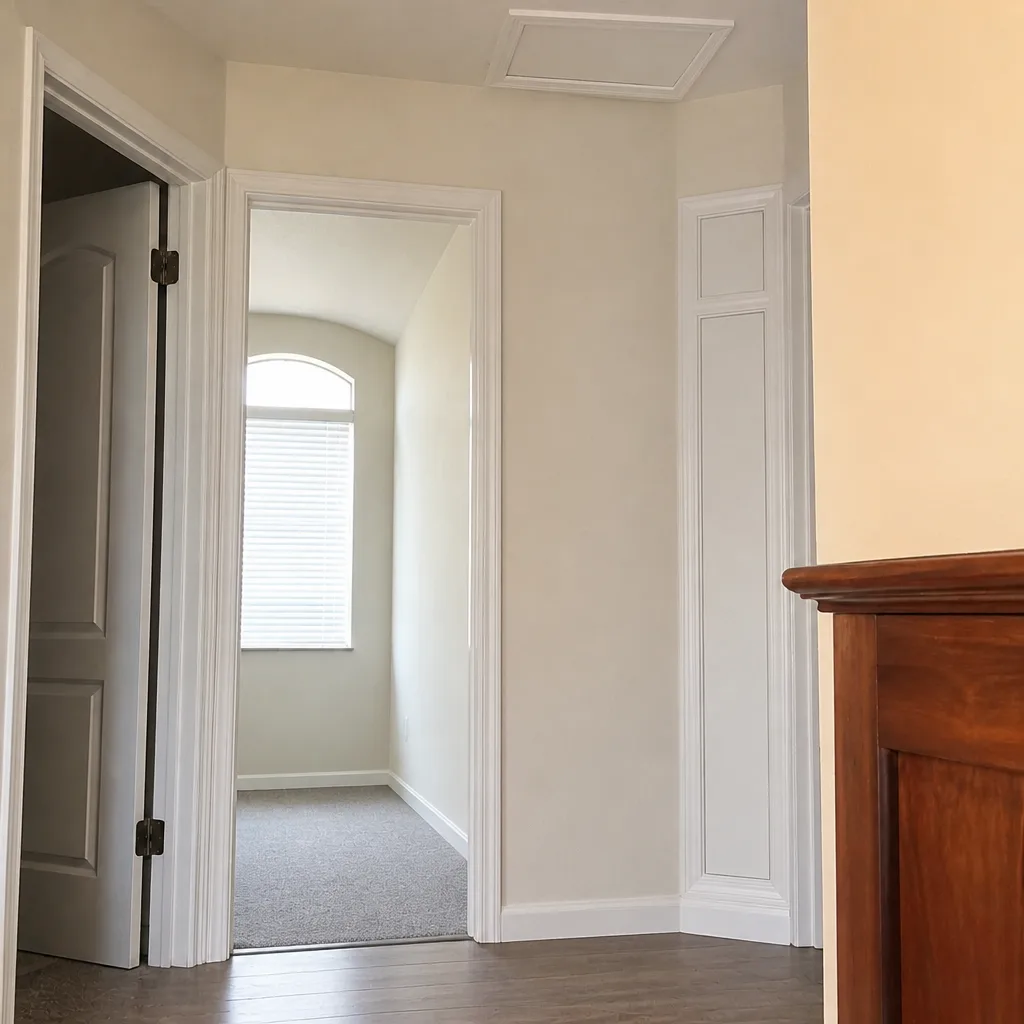 After
When to Call a Professional
Not every home in Yuma needs a duct cleaning immediately. But these scenarios are a strong signal it’s time to get an assessment: you can see visible dust buildup around registers or coating the grille surfaces; you’ve recently completed major remodeling that generated drywall dust; a new-to-you home has an unknown service history; family members notice increased allergy or respiratory symptoms with no other explanation; a visual inspection with a flashlight shows substantial settled material in the return; or your dryer is taking noticeably longer to dry clothes. If any of those apply, an inspection is a reasonable next step. Duct Cleaning Yuma offers free estimates in Yuma – call (888) 871-1789 and we’ll talk through the system and what a proper scope looks like.
Frequently Asked Questions
Most residential duct cleanings in Yuma run within a typical range set by the scope – square footage, number of registers and returns, system layout, and whether the dryer vent is included. We estimate per job by the written scope, so the price you see in writing is the price you pay. There’s no per-vent pricing and no teaser coupon figure that turns into a larger invoice. Call (888) 871-1789 for a free estimate – the estimate is the number.
Ask for the CFM rating of their negative air machine and whether their vacuum is HEPA rated. A capable residential system is in the multiple-thousands-of-CFM range; a small portable unit well under 1,500 CFM can’t reliably lift compacted debris from long trunk runs. Ask also whether contact vacuuming tools are brought inside, and whether containment or air scrubbing is used during the job. Any contractor confident in their equipment will answer all of those on the phone.
NADCA membership is a meaningful starting filter, but it doesn’t verify the equipment in the truck on your specific job, the experience of the technician who arrives, or the content of the scope you’re quoted. Treat it as a floor for contractor evaluation, then run the equipment questions and read the scope of work. A contractor who clears both filters is a strong candidate.
Because the low quote is usually for a smaller job than the ones around it. A quote of that kind typically omits the return side, skips contact vacuuming at the registers, or uses a machine that can’t pull the debris. The way to find out is to ask the low bidder, “Which line items are included?” and compare their answer against the scope items we listed earlier. If they can’t answer clearly, the price isn’t low – it’s for a partial job.
Yuma’s desert dust load means the answer is not a fixed number of years – it depends on the home. Homes near open dirt or in higher-dust locations, homes with pets, and homes just finishing a remodel tend to need it sooner. A visual inspection will tell you more than a calendar can. Ask for a camera inspection before committing to cleaning; if the ducts are clean, an honest contractor will tell you.
A proper scope names the system – square footage, register and return count, zones – lists the equipment, states how access is created and resealed, covers supply and return, and describes the completion report you’ll receive. It should also state what happens if damaged ductwork is found. If a quote has a price and nothing else, ask for the scope in writing before you book. Call (888) 871-1789 if you’d like us to walk through an example.
The Bottom Line
Hiring an air duct cleaning contractor in Yuma comes down to a short screening process applied properly. Ask the equipment questions – CFM rating, HEPA filtration, contact vacuuming, containment. Treat NADCA membership as a floor, not a finish line. Read the scope of work, not just the price, and compare quotes line by line. Then verify the job afterward: video inspection footage, consistent airflow at each register, a written completion report. Contractors who welcome that scrutiny are the ones worth hiring, and there’s a reason the ones who flinch at it usually deserve to. Duct Cleaning Yuma has built our service around those checks because they’re the right ones. For a free estimate on a full-pathway clean in Yuma, call (888) 871-1789. We answer 24/7, with fast dispatch from 7am to 7pm, Sunday through Friday. You’ll get one flat price per system agreed before work starts, before-and-after photos of your own ducts, and no per-vent pricing. Our technicians have up to 11 years of experience and use professional-grade equipment – we don’t stop at identifying damaged ductwork; if we find it, we repair it.
Written by the team at Duct Cleaning Yuma.