
Last updated November 15, 2026
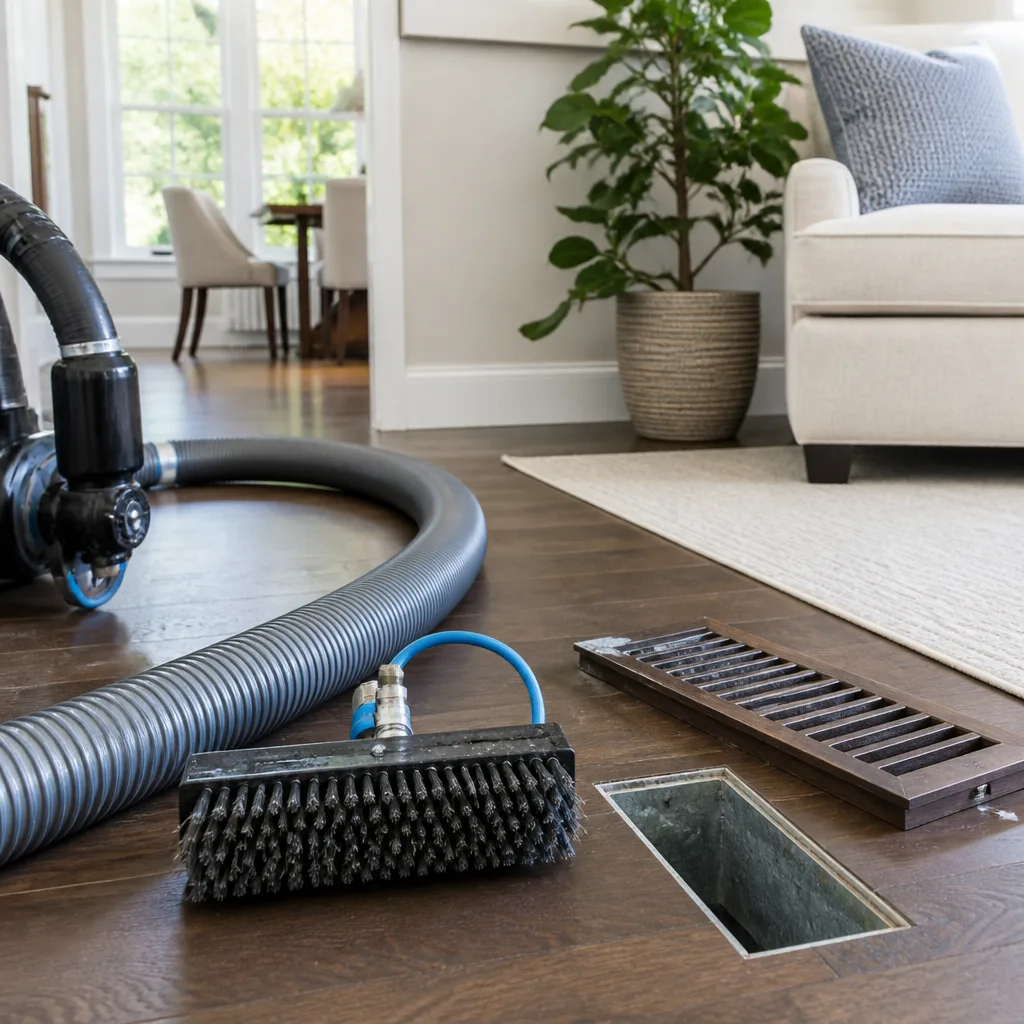 Whole-home duct cleaning
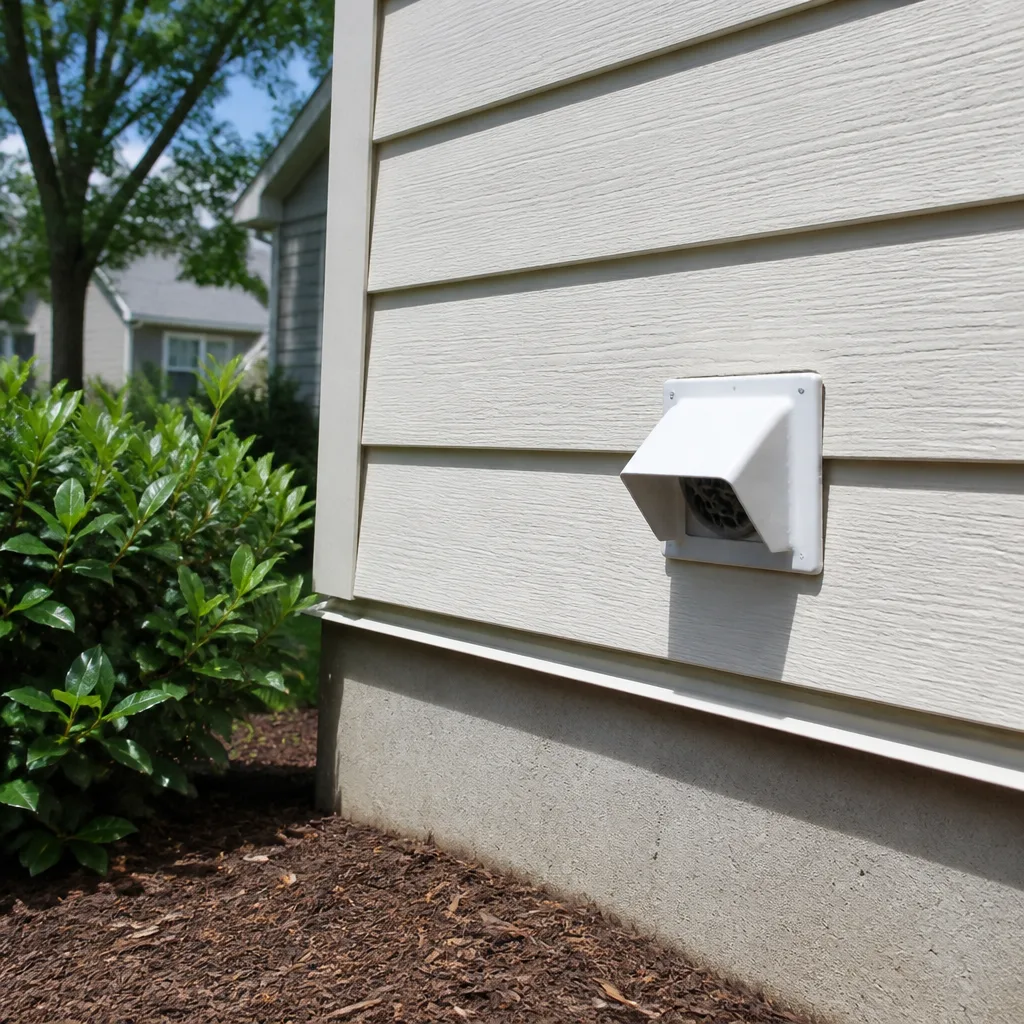 Dryer vent cleaning
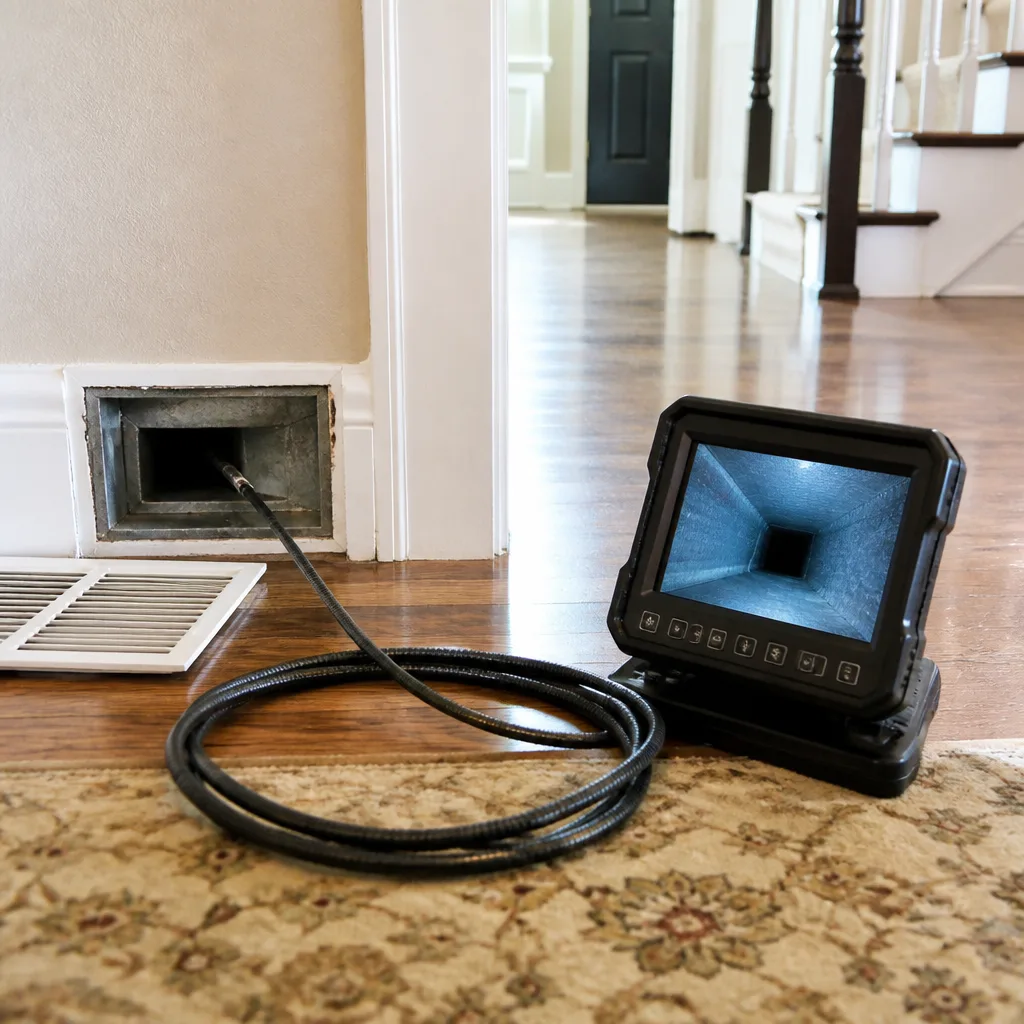 Camera inspection
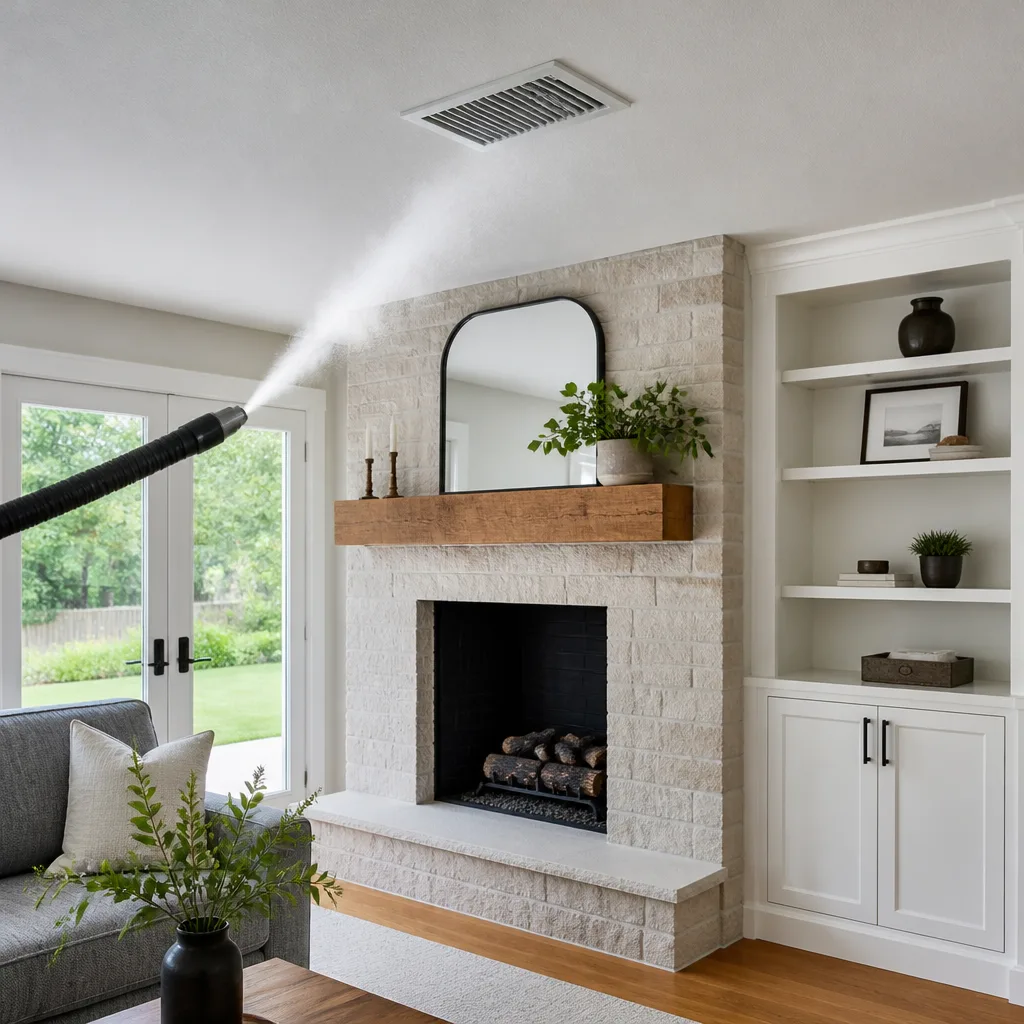 Sanitizing & deodorizing
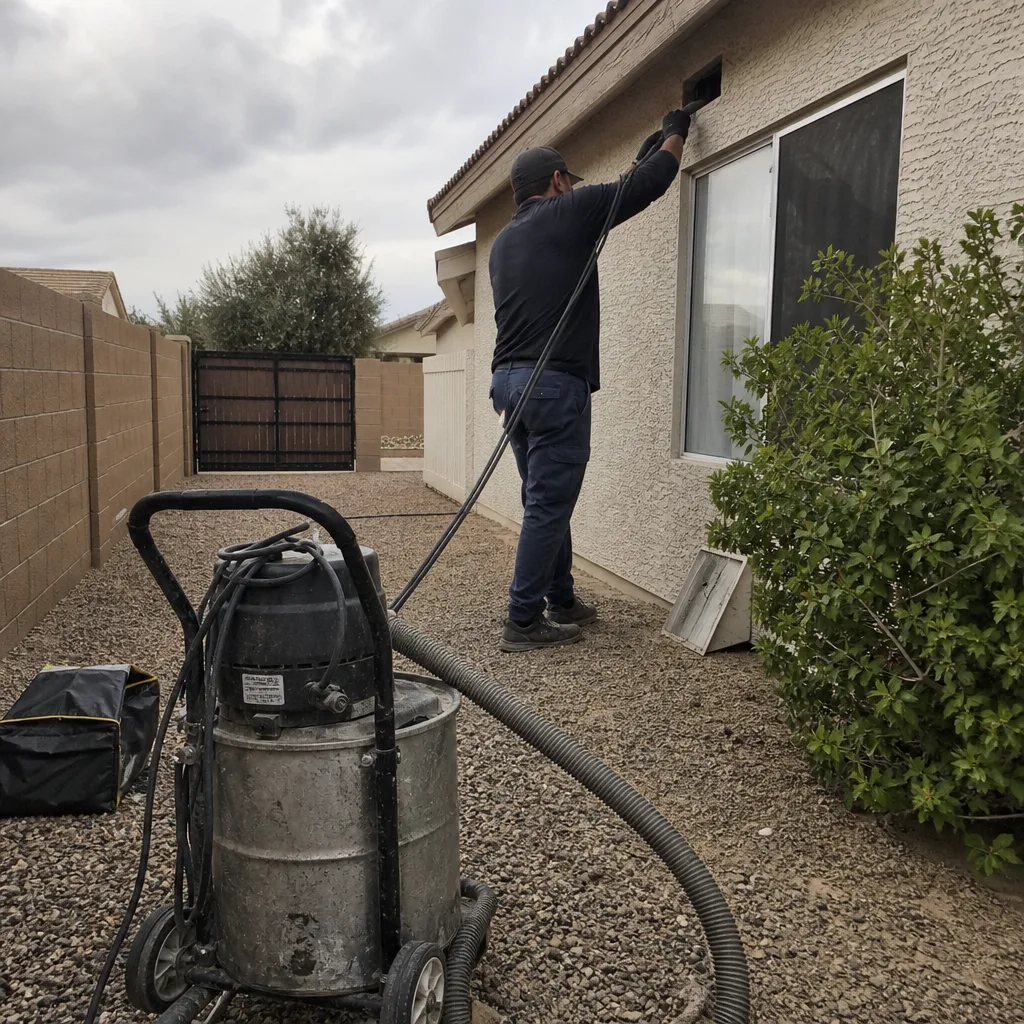
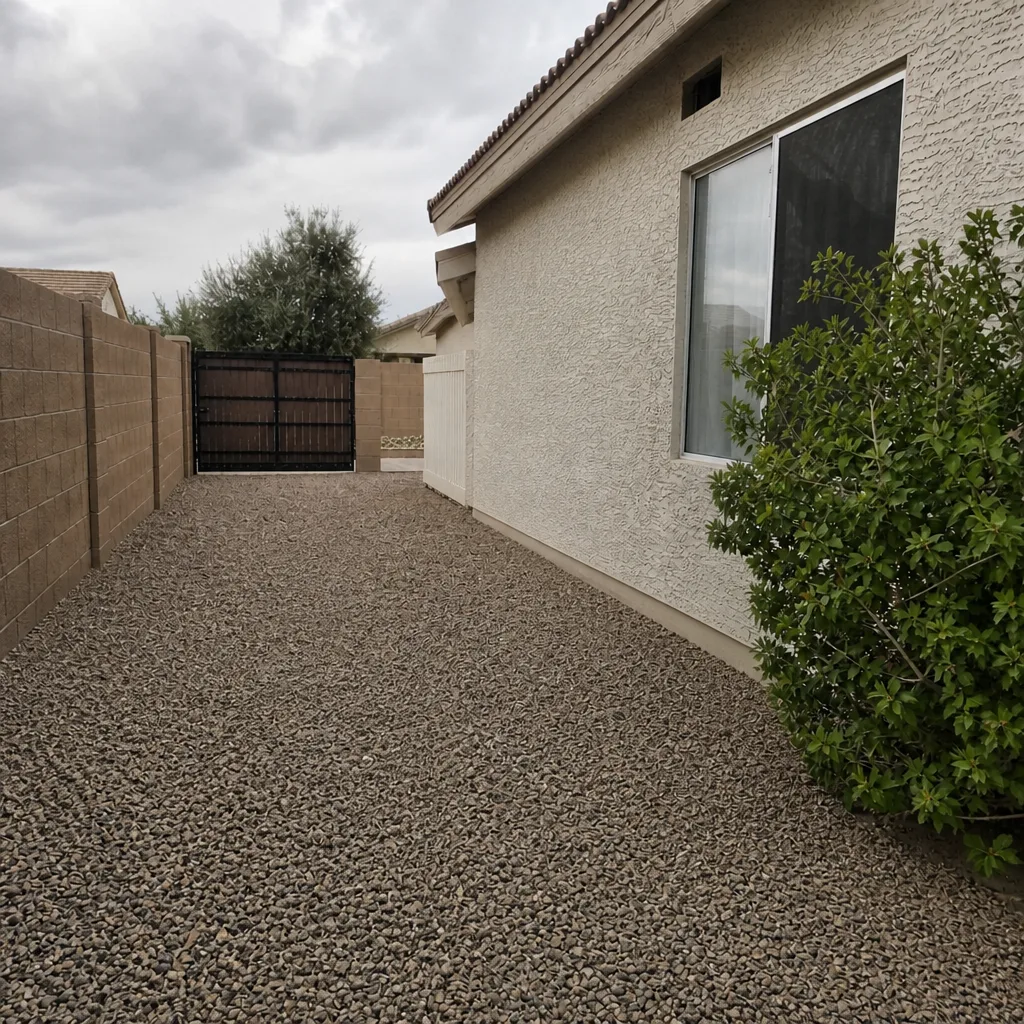
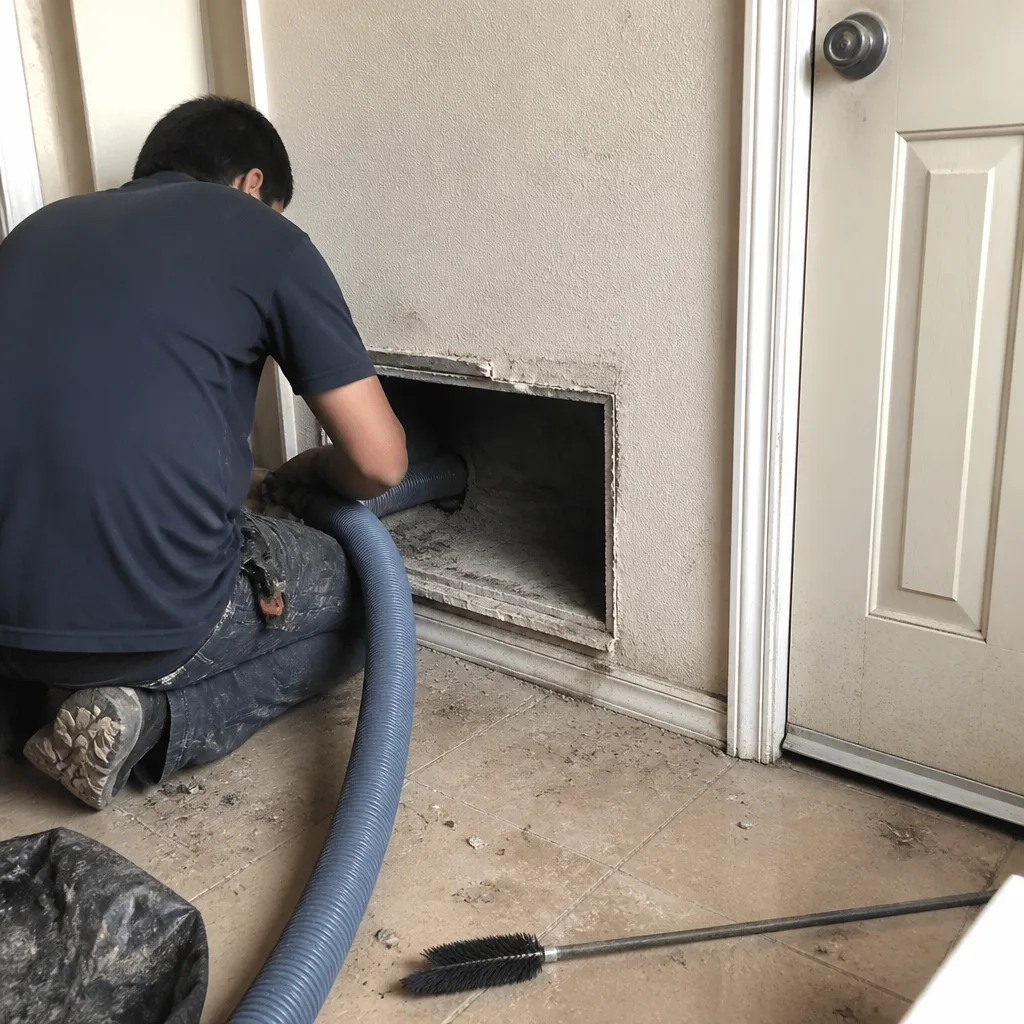
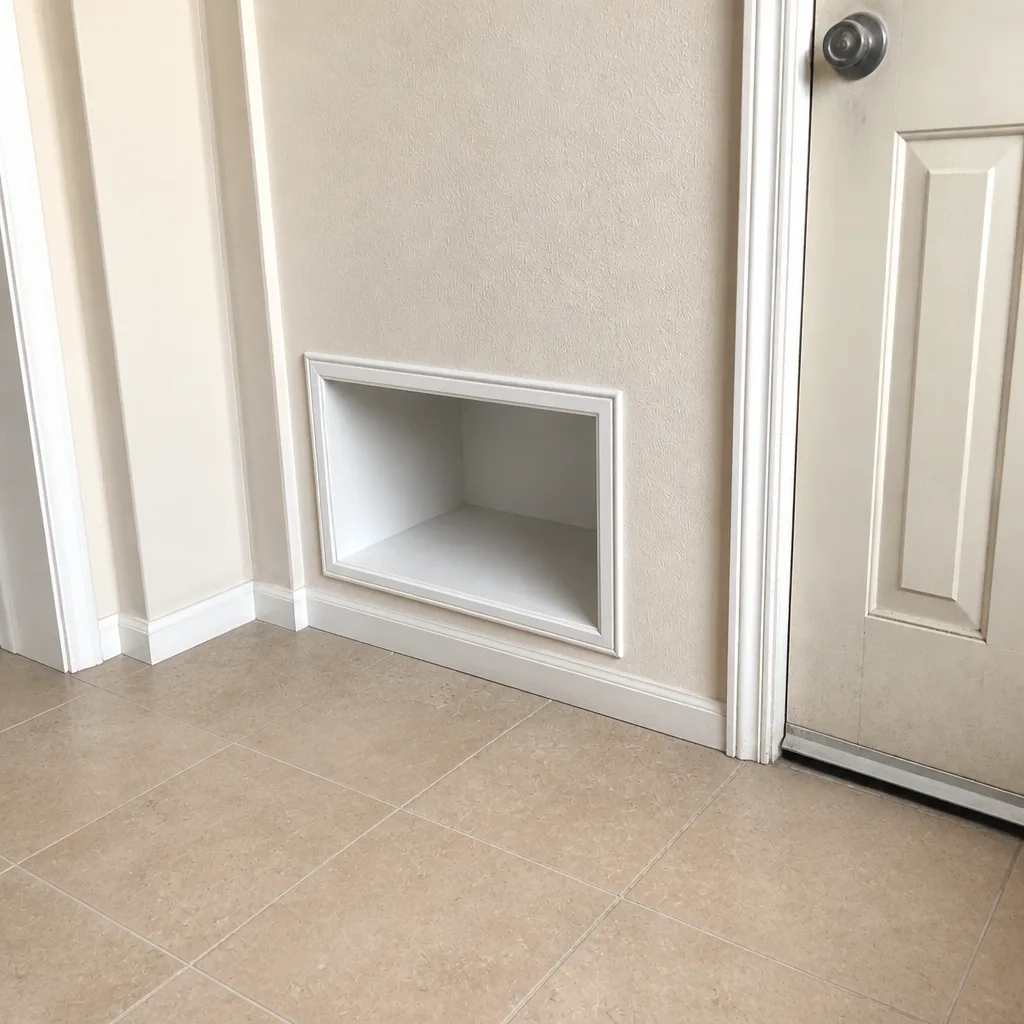
Whole-system duct and dryer vent check with before-and-after photos - you see exactly what came out of your vents
That "$99 whole-house special" is a bait ad - the real number appears once they are in your hallway, or the "clean" is a shop-vac at the register. We photograph the inside of your ducts before and after instead.
Air Duct Cleaning Maintenance Checklist for Yuma Homeowners
Most duct maintenance checklists floating around the internet are generic HVAC reminders with a new headline pasted on top. Swap the city name and they’d read the same in Seattle or Miami. That’s a problem, because Yuma doesn’t behave like most places. Here, a clogged dryer vent meets summer attic temperatures that routinely climb past 160°F, and lint that would be merely inefficient elsewhere becomes something else entirely in that kind of heat. Dust here carries caliche grit. Monsoon season brings a humidity spike that desert homes aren’t built to shrug off. This guide is a working document you can actually use between professional visits: monthly checks, pre-monsoon tasks, filter intervals tied to runtime hours rather than calendar months, and a simple way to document it all so the next technician walks in with context instead of guesses.
Quick Answer
Yuma homeowners should do a monthly visual check of registers, return grilles, and exterior vent caps, replace filters based on furnace or AC runtime hours rather than calendar months, and inspect the dryer vent every few months depending on household laundry volume. Schedule professional air duct cleaning every two to four years, or sooner if you notice reduced airflow, visible debris at the registers, or a dryer that takes noticeably longer to dry a load.
Styles & brands we work with
- Whole-home duct cleaning
- Dryer vent cleaning
- Camera inspection
- Sanitizing & deodorizing
Table of Contents
- Monthly Visual Checks for Yuma Conditions
- The Pre-Monsoon Checklist
- Dryer Vent Inspection by Household Load
- Filter Replacement by Runtime Hours, Not Months
- Choosing a MERV Rating Near Agricultural Zones
- What to Photograph and Document Each Cycle
- How Often to Schedule Professional Cleaning
- Signals That Ductwork Needs Repair, Not Just Cleaning
Monthly Visual Checks for Yuma Conditions
A five-minute walk-through once a month catches most of what goes wrong between professional cleanings. The point isn’t to fix anything yourself. It’s to notice change early, while it’s still a small observation rather than a bigger problem. Yuma’s dust load makes these checks more productive here than in most climates, because the evidence shows up fast.
Work through the house with a flashlight and look at these spots:
- Register covers. In Yuma, fine caliche dust leaves visible banding around supply registers, especially along the edges where the airflow changes direction. A light, even film is normal. Dark banding that widens month over month means more dust is moving through the system than it should.
- Return grilles. These are the big ones, and they mat up faster than supply registers because they pull the room’s dust straight into the return. Hold a flashlight at a low angle across the grille. If the openings look furry or the light doesn’t pass through cleanly, it’s loaded.
- Exterior exhaust caps. Birds nesting in dryer and bath exhaust caps is a documented issue in Yuma, and it’s not a small one. A blocked cap can push lint and moisture back into the duct run. Look at every cap on the exterior wall or roofline. If you see nesting material, twigs, or a flap that won’t swing freely, that vent needs attention before the next laundry day.
- Moisture or staining near vents. Any dark ring around a ceiling register or a damp patch on drywall beneath it deserves a closer look. In a desert climate it’s rarely condensation from cold weather; more often it points to a duct connection that’s leaking or a coil issue upstream.
Jot down what you see, with the date. That running record is worth more than it sounds, and we’ll come back to why in the documentation section below. If you want a baseline professional inspection to start from, the team behind duct cleaning in Yuma can set that up.
The Pre-Monsoon Checklist
Monsoon season is the one time of year Yuma’s air gets genuinely humid, and the HVAC system feels it. Weeks of dry desert air followed by a stretch of moisture is exactly the kind of swing that exposes problems a house has been quietly carrying. Do these checks before the humidity arrives, not after the first sticky week.
- Inspect the drain pan. Find the condensate pan under the indoor coil. It should be dry, clean, and free of standing water or rust scale. A pan that’s holding water before monsoon season points to a partially blocked drain that will only get worse.
- Check the condensate line for clarity. Trace the drain line from the pan to where it exits. Look for kinks, algae-colored staining, or a slow trickle at the outlet. A line that’s already sluggish will struggle with the extra condensate monsoon humidity produces.
- Look for biological growth at the coil housing. Shine a light into the coil cabinet. Any fuzzy or discolored growth on the coil face or cabinet walls should be flagged, because moisture plus a dust-laden coil is the right combination for it. This isn’t something to scrub at with a household cleaner. Note it and have it assessed.
- Confirm the system drains test correctly. Pour a cup of water into the pan and watch it move through the line. If it sits or drains slowly, get it cleared before the wet season.
- Check attic and garage ducts for disconnected sections. Summer heat in a Yuma attic is brutal on flex duct and taped joints. A run that’s come loose dumps conditioned air into the attic and pulls dust into the living space.
None of this requires tools beyond a flashlight and a cup of water. It does require doing it before the season turns. A cleaning scheduled in the spring also means you’re starting monsoon season with a clear system rather than one already carrying a year of dust, which is why so many Yuma homeowners pair the two.
Dryer Vent Inspection by Household Load
The right inspection cadence for a dryer vent depends far more on how much laundry your household does than on a fixed calendar. A two-person home running three loads a week has a very different lint accumulation curve than a family of six running two loads a day. Set your cadence by load volume:
- Light volume (1-3 loads a week): Inspect the exterior damper and run a hand along the duct behind the dryer every four to six months. Schedule professional dryer vent cleaning every two to three years.
- Moderate volume (4-8 loads a week): Inspect every two to three months. Professional cleaning every 18 to 24 months.
- Heavy volume (9+ loads a week, or a rental property): Inspect monthly. Professional cleaning every 12 months.
What to check each time. First, the lint trap. Pull it, hold it up to a light source, and confirm you can see through it. A trap that’s been washed in fabric softener residue can look clean and still be partly blocked. Second, the exterior damper. It should swing freely and close flat. In Yuma, the same birds that nest in bath exhaust caps will nest in a dryer damper, and the same heat that makes lint efficient also makes a blocked damper a genuine fire concern. Attic temperatures well above 160°F turn lint accumulation from a nuisance into an ignition scenario, and most homeowners never connect that risk to their duct system at all.
Third, the run itself. Disconnect the duct at the dryer, look inside with a flashlight, and check for lint buildup along the walls. If a load that used to dry in one cycle now takes two, that’s the most reliable sign the run is loading up. A clogged dryer vent isn’t just an efficiency problem; it’s a fire risk, and in Yuma’s summer heat that risk is amplified.
Filter Replacement by Runtime Hours, Not Months
Every filter package tells you to change it every 90 days. That instruction assumes a climate where the HVAC system runs part of the year. In Yuma, the cooling system runs hard for most of the year, which means your filter sees far more air volume in three months than the package anticipates. Tracking runtime hours instead of calendar months gives you a far more accurate interval.
Here’s how to calibrate it without special equipment:
- Note the date you install a fresh filter.
- Check it monthly by holding it up to a light. When you can no longer see the light clearly through the media, it’s loaded, regardless of what the calendar says.
- Record the interval. If your filter loads up in six weeks during peak cooling season but lasts three months in the milder stretch of the year, that’s your real pattern.
- Set your replacement schedule around the shortest interval you observe, not the average.
Most Yuma homes running a standard 1-inch filter through the cooling season will land somewhere between 30 and 60 days, while the milder stretch of the year stretches that out. Homes near agricultural zones or downwind of active fields may load faster than that, because the dust load in the air is simply higher. If you’re not sure what interval fits your house, note the dates for two cycles and the pattern will show up quickly. This is one of those small habits that pays back more in Yuma than almost anywhere else, because the system is doing so much more work.
Choosing a MERV Rating Near Agricultural Zones
A MERV rating is a filter’s particle-capture rating, and higher isn’t automatically better. A filter that’s too restrictive for your blower can reduce airflow, strain the system, and cost more in energy than it saves in cleanliness. Matching the rating to your home’s situation matters more than chasing the highest number on the shelf.
In Yuma, the homes most affected by dust load are the ones near agricultural zones and open desert on the edges of town, where wind-driven soil and field debris make the airborne particle load heavier. For those homes, a MERV 8 to MERV 11 range is a reasonable target for a standard residential system. For homes in more sheltered neighborhoods, MERV 8 is usually plenty. Anything above MERV 13 in a standard residential return often creates more restriction than the system can comfortably handle, so check with your HVAC professional before stepping up.
The filter is the first line of defense, not the whole system. It catches what passes through it, but it doesn’t clean the ducts, and it can’t remove what’s already settled along the duct walls. That’s why a filter upgrade paired with a professional cleaning does more than either step alone. We work with filtration lines from Honeywell, Aprilaire, and Guardsman, which means a filter or air-quality upgrade can happen at the same appointment as the cleaning rather than as a separate project.
What to Photograph and Document Each Cycle
Duct maintenance is a slow-moving story, and photographs are how you keep the plot straight. A technician who arrives with a full visual history can spot year-over-year change in minutes. One who arrives to a system with no records has to start from scratch. The difference isn’t dramatic, but it’s real, and it costs you nothing but a few minutes each cycle.
For each inspection, photograph and note:
- The date and what you did (visual check, filter change, professional cleaning, repair).
- The filter you installed, including the MERV rating and the brand if it’s marked.
- Each supply register and return grille, shot straight on and again at a low angle with the flashlight so banding and matting show up.
- Every exterior vent cap, including the dryer damper and any bath exhaust caps.
- The drain pan and condensate line before and after any work you or a technician did to them.
- The dryer vent run behind the dryer, right after a cleaning and again at your next inspection.
- Any spot that looks different from last time, with a short note about what changed.
Keep the photos in one folder on your phone with the dates in the filenames. When a professional arrives, the before-and-after comparison becomes instant. This is where our own process overlaps: we photograph your ducts before and after every cleaning so you can see exactly what was removed, and those photos stack into the same record you’re building.
How Often to Schedule Professional Cleaning
For most Yuma homes, professional air duct cleaning every two to four years is a reasonable baseline. That range stretches or tightens based on a few factors that matter more here than in most climates.
- Dust and soil load. Homes near agricultural zones or open desert collect more airborne debris, which means the ducts load faster. Lean toward the two-year end.
- Runtime hours. The more your system runs, the more air moves through the ducts, and the more debris it deposits. In Yuma, the cooling system runs long enough that this pushes most homes toward the shorter interval.
- Household size and pets. More occupants and more shedding pets mean more particles in the return air.
- Recent renovation or move-in. Drywall dust and construction debris get pulled into the system during renovation, and a house you’ve just moved into may carry residue from the previous occupants. Clean before you settle in.
- Visible indicators. Debris at the registers, musty odors when the system starts, or persistent dust settling on surfaces shortly after cleaning are all reasons to move the timeline up.
When a cleaning does happen, the quality of the equipment matters as much as the schedule. We use professional Rotobrush rotary-brush systems to agitate debris off the duct walls, and Nikro HEPA-rated vacuums with Abatement Technologies containment and air-scrubbing equipment to pull it out under negative pressure. That combination is purpose-built for HVAC work, not a repurposed shop vacuum, and the containment step is what keeps dislodged debris from landing back in your living space. If your ducts are in Yuma, the difference between proper containment and a quick pass through the registers is something you’ll notice in the air for weeks afterward.
Signals That Ductwork Needs Repair, Not Just Cleaning
Cleaning removes what’s inside the ducts. It doesn’t fix ductwork that’s come apart, crushed, or sealed with failing tape. Part of any useful maintenance checklist is knowing when the problem is the duct itself.
Watch for these signals:
- Uneven airflow between rooms. One room that’s always stuffy while another is comfortable usually points to a disconnected, crushed, or leaking run rather than a system that needs more cleaning.
- Rising dust in one specific area. Dust that keeps returning to the same room after a cleaning often means a joint is leaking and pulling attic or crawlspace air into the duct.
- Visible damage in the attic or crawlspace. Flex duct that’s torn, sagging, or come loose at a connection is common in Yuma attics where summer heat stresses the material. If you can see a sagging run from the access hatch, it’s worth a professional look.
- Whistling or rattling at a register. A sound the system didn’t used to make can mean a fitting has worked loose.
Most cleaning-only companies stop at identifying this kind of damage and hand you a list for another contractor. We repair ductwork as a core service, so if we find a damaged connection during a cleaning, it can be fixed on the same visit rather than left as a note on your to-do list. That matters in a climate where a leaking run in a 160°F attic is bleeding conditioned air all summer. Air duct repair joins cleaning and dryer vent work under one roof, so the full air pathway stays in one hands rather than split across three contractors.
Common Mistakes to Avoid
- Changing filters on the calendar instead of by inspection. A 90-day rule written for a temperate climate leaves a loaded filter in place for weeks during Yuma’s cooling season. Check the filter monthly against a light source instead.
- Ignoring the exterior vent caps. Yuma’s birds nest in dryer dampers and bath exhaust caps with remarkable consistency. A cap that won’t swing is a vent that can’t exhaust, and it’s easy to miss unless you walk the exterior wall each month.
- Treating dryer lint as a laundry nuisance only. In attic temperatures above 160°F, lint accumulation is a fire concern, not just a reason your clothes take two cycles. Inspect the run and damper on a schedule set by your household’s laundry volume.
- Skipping the pre-monsoon drain pan check. A pan that’s already holding water before the humidity arrives will overflow once condensate volume rises. Check the pan and the drain line in the dry weeks leading up to the season.
- Stepping up to a high MERV filter without checking airflow. A restrictive filter strains the blower and can cost more than it saves. Match the rating to your system and your home’s dust exposure.
- Cleaning without documenting. A cleaning with no photos leaves the next technician starting fresh. Photograph the ducts and the vents at each cycle, and you’ll be able to prove the work was actually done.
- Assuming cleaning fixes duct damage. Torn, disconnected, or crushed runs need repair, not another pass with a brush. If one room is always stuffy, suspect the ductwork itself.
See the difference
 Before
 After
 Before
 After
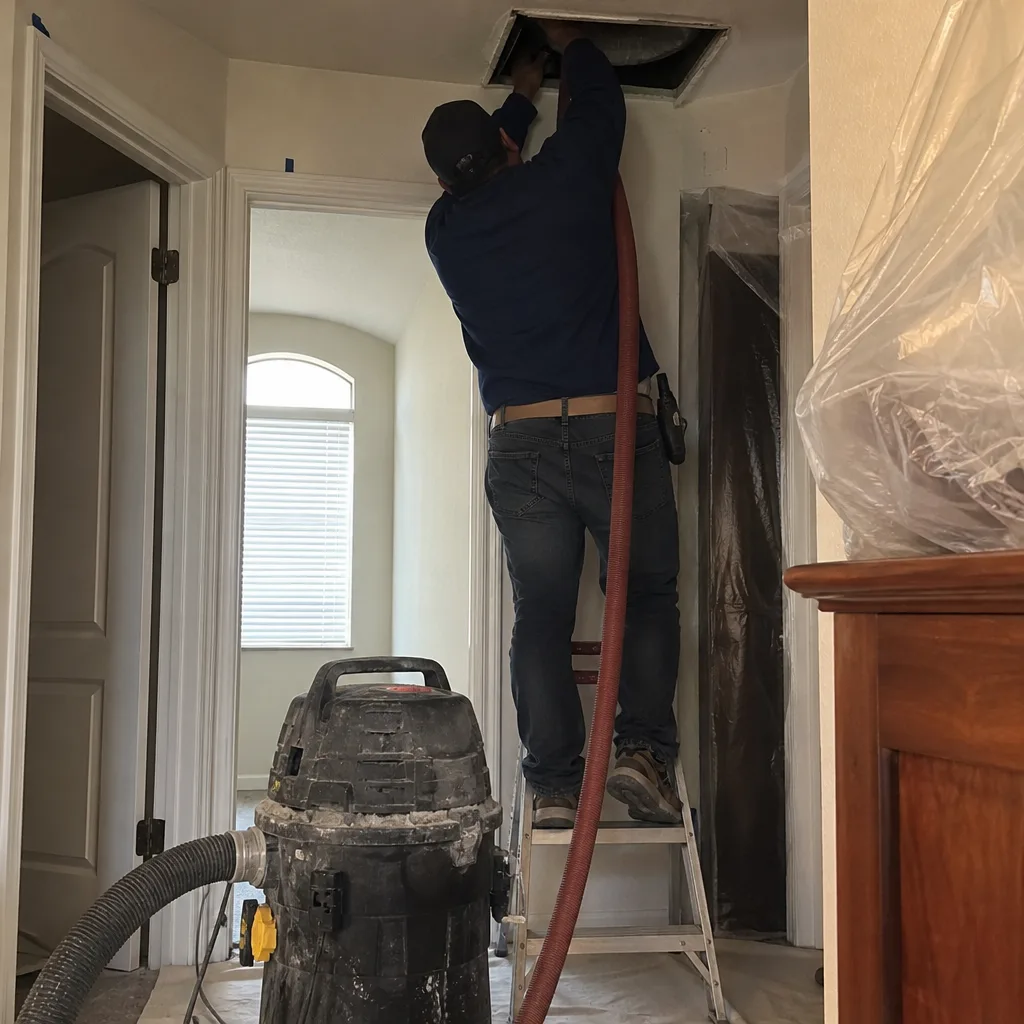 Before
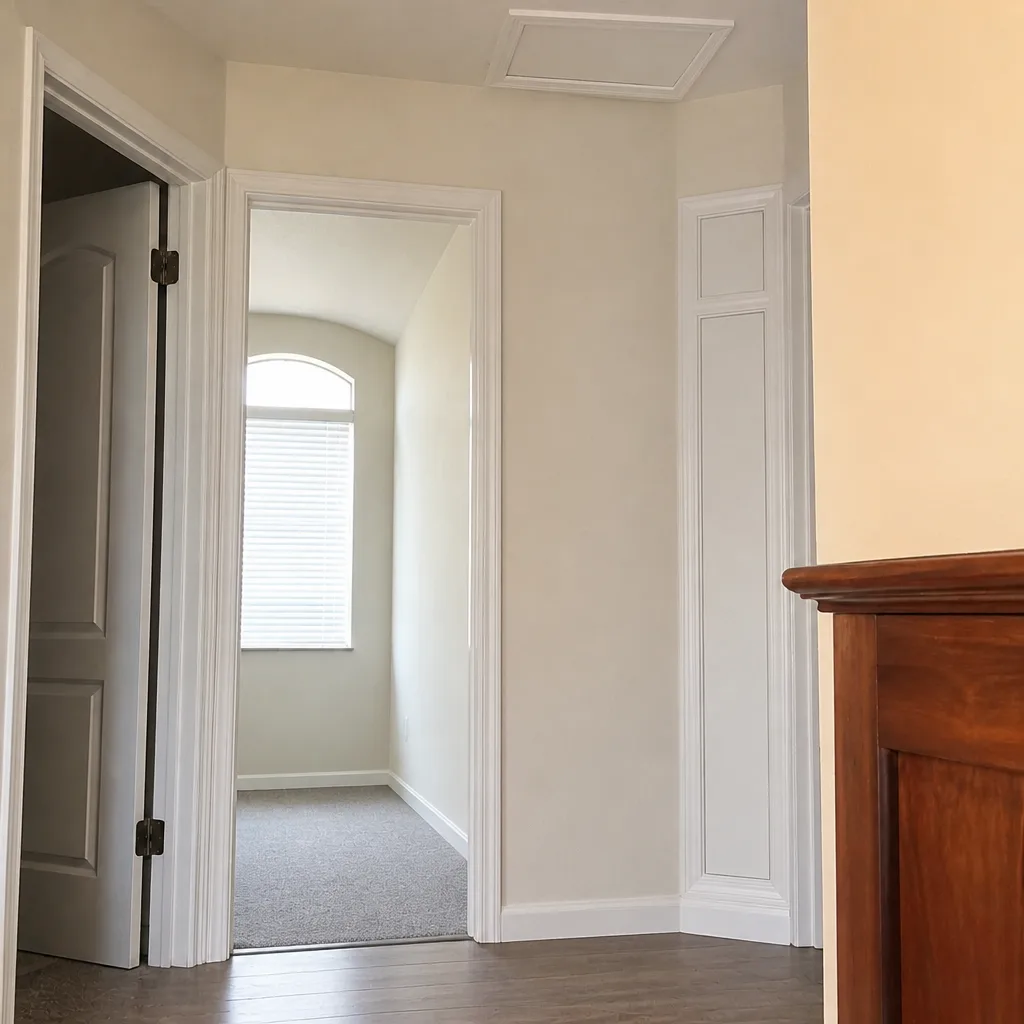 After
When to Call a Professional
Some of this checklist you can handle with a flashlight and a phone camera. Some of it needs equipment you can’t buy at a hardware store. Call a professional when you see debris at multiple registers, when dust returns to the same room within weeks of cleaning, when the dryer takes noticeably longer to dry a load, when you spot nesting material in a vent cap you can’t safely reach, or when one room’s airflow clearly lags the rest of the house. Those are the signals that the problem is inside the duct run and needs a professional-grade extraction and inspection rather than a surface pass.
Duct Cleaning Yuma offers free estimates in Yuma, and the price is set per job by the written estimate, not by a per-vent count. If you’re also dealing with dryer vent cleaning or a repair you’ve been putting off, it can be handled in the same visit. Call (888) 871-1789. We answer 24/7. Fast dispatch from 7am to 7pm, Sunday through Friday. Our technicians have up to 11 years of experience.
Frequently Asked Questions
Most Yuma homes should schedule professional air duct cleaning every two to four years, leaning toward the shorter interval because of the desert dust load and the long cooling-season runtime. Homes near agricultural zones, with pets, or with recent renovation should move toward the two-year end. A monthly visual check of the registers will tell you when the buildup is speeding up.
Yuma’s summer attic temperatures routinely exceed 160°F, and that heat turns ordinary lint accumulation into a genuine fire concern. The same climate also encourages birds to nest in exterior dryer dampers. Inspect the damper and the run behind the dryer every few months, and schedule professional cleaning based on your household’s laundry volume. Call (888) 871-1789 for a free estimate on a dryer vent cleaning.
No, not in Yuma. The 90-day guidance assumes a system that runs part of the year, and your cooling system runs far more than that. Check the filter monthly by holding it up to a light, and replace it when you can no longer see clearly through the media. Most local homes land between 30 and 60 days during the cooling season.
A MERV 8 to MERV 11 range is a reasonable target for most standard residential systems in dust-heavy areas. Higher ratings capture finer particles but can restrict airflow enough to strain the blower. Check with your HVAC professional before stepping up, and pair a filter change with a duct cleaning for the best result.
Ask for before-and-after photos of your own ducts, not stock images. We photograph your registers and duct interior before and after every cleaning, and those photos become part of the record you’re building. Combined with the containment equipment we use, you can see exactly what was removed rather than taking a verbal report at face value.
Prices are set per job by the written estimate based on the size of the system and the work required, so we won’t quote a per-vent price or a teaser figure here. What we will commit to is one flat price per system, agreed before any work starts, plus before-and-after photos of your own ducts. Call (888) 871-1789 for a free estimate.
The Bottom Line
Duct maintenance in Yuma works best as a set of small monthly habits rather than a single annual event. Check the registers and return grilles for dried caliche dust banding. Walk the exterior wall for bird nesting in vent caps. Inspect the drain pan and condensate line before monsoon humidity arrives. Track your filters by runtime hours instead of the calendar, and calibrate the dryer vent schedule to how much laundry your household actually runs. Document it all with photos so the next professional arrives with a history instead of a blank slate. These habits cost a few minutes a month, and they’re what keeps the checklist working between professional visits. For a professional cleaning, repair, or a look at your full air pathway in Yuma, see the team at Yuma, AZ, and let one company handle the whole system.
Call (888) 871-1789 for a free estimate. We answer 24/7. Fast dispatch from 7am to 7pm, Sunday through Friday.
Written by the team at Duct Cleaning Yuma.