
Last updated November 15, 2026
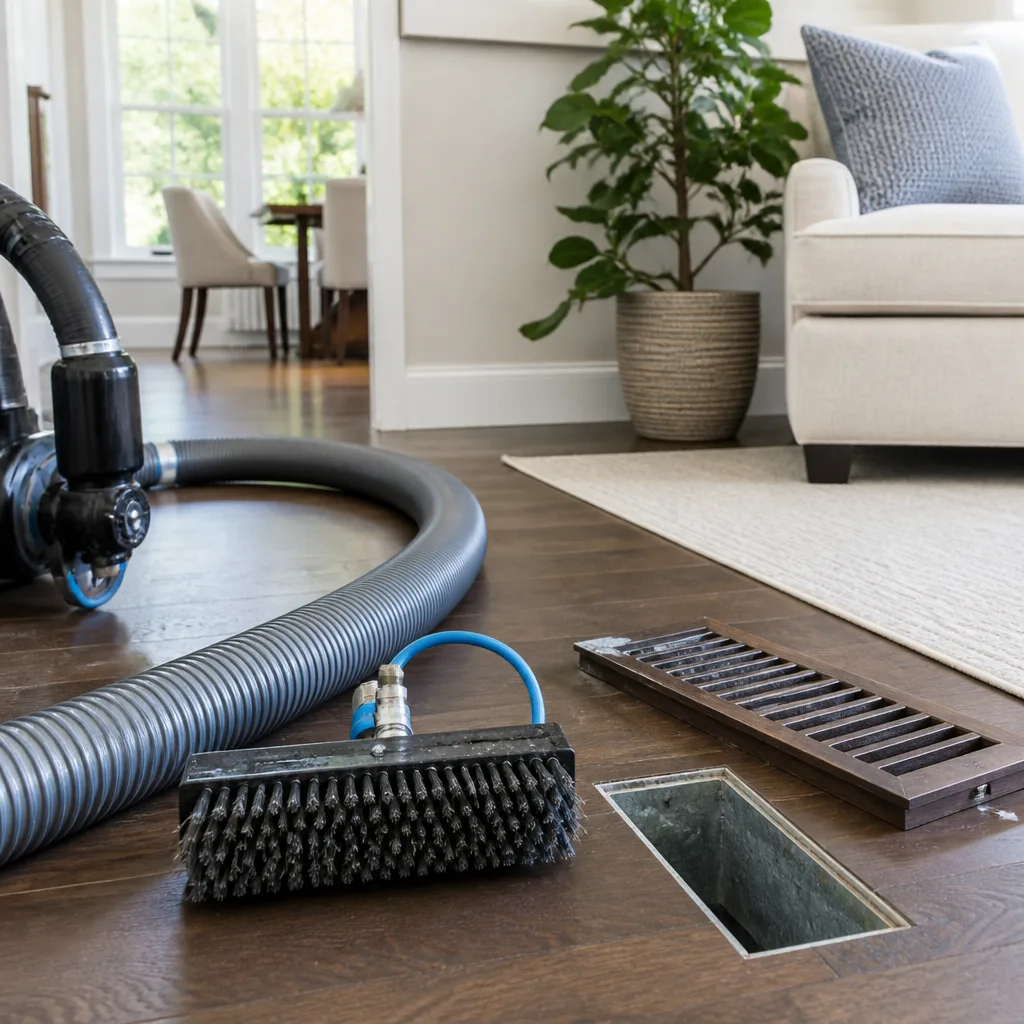 Whole-home duct cleaning
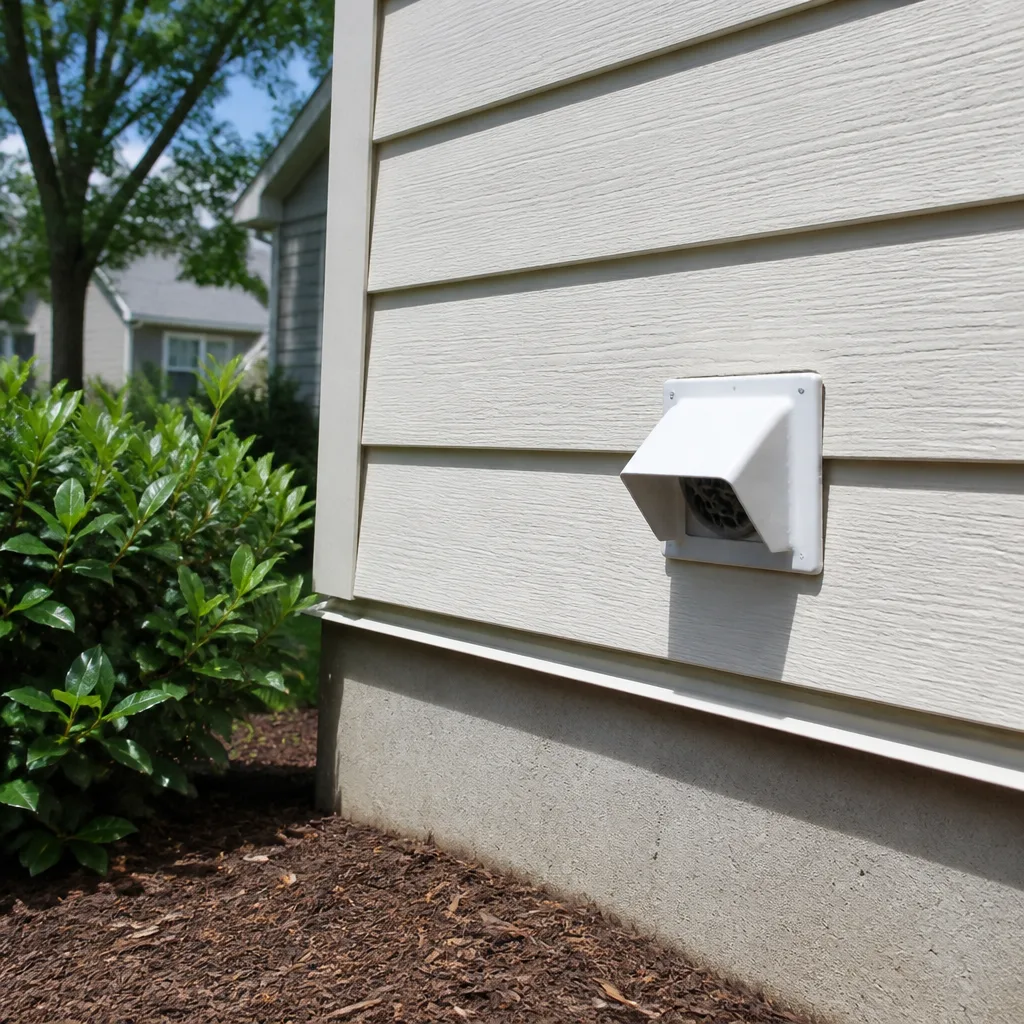 Dryer vent cleaning
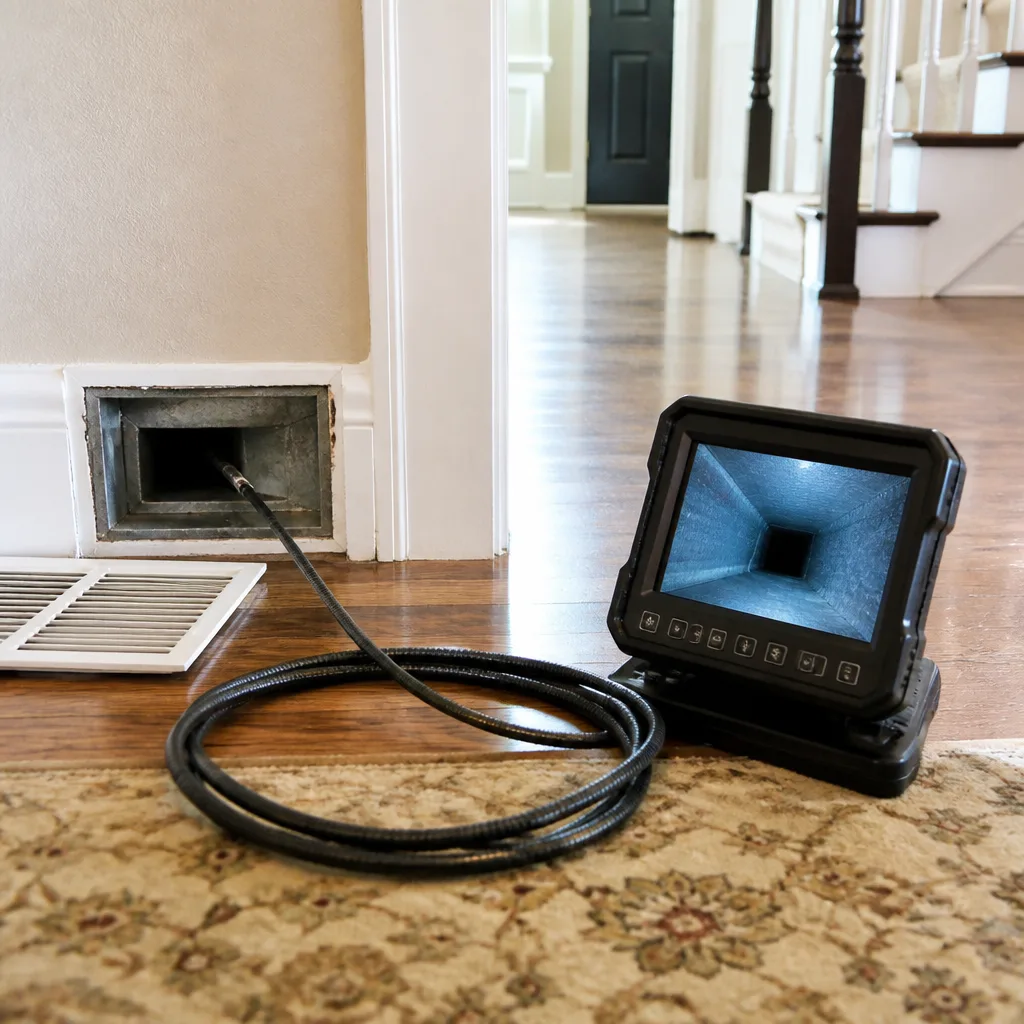 Camera inspection
 Sanitizing & deodorizing
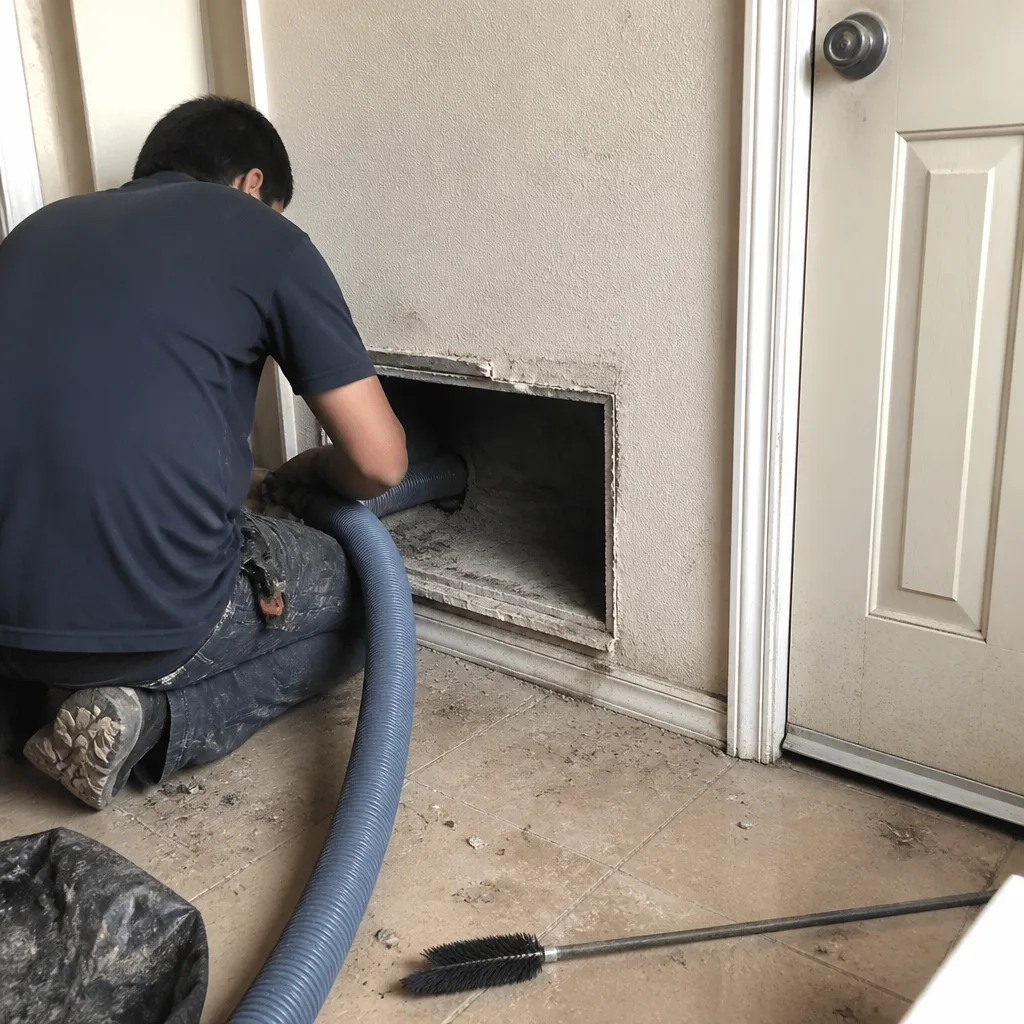
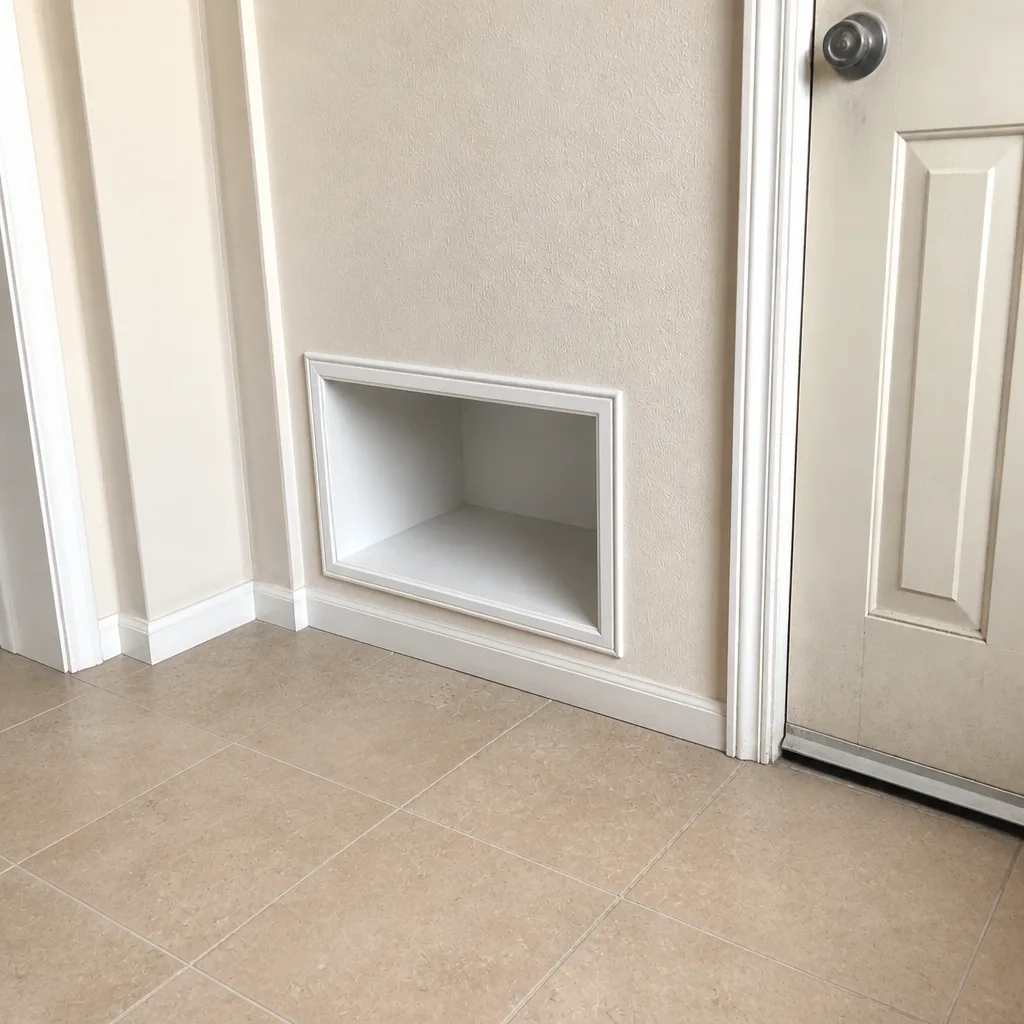
Whole-system duct and dryer vent check with before-and-after photos - you see exactly what came out of your vents
That "$99 whole-house special" is a bait ad - the real number appears once they are in your hallway, or the "clean" is a shop-vac at the register. We photograph the inside of your ducts before and after instead.
Air Duct Cleaning Troubleshooting in Yuma: Common Problems and How to Fix Them
If one room in your Yuma home is consistently 8-10°F hotter than the rest, the problem is almost never the thermostat. It’s usually a collapsed flex duct or a disconnected trunk line that no one has looked at since the house was built. Most homeowners blame the HVAC unit for weak airflow, dusty surfaces, and uneven temperatures, and then buy a cleaning they may not need, or skip a repair they definitely do. This guide teaches you to read the symptoms correctly: how to test airflow at the register, what a failing duct sounds and smells like, and when cleaning alone won’t solve the problem. You’ll learn what’s worth checking yourself and when a trained technician needs to step in.
Quick Answer
Most air duct problems in Yuma come down to two categories: ducts that are dirty and ducts that are damaged, and the symptoms overlap enough that you need a simple airflow test at the registers to tell them apart. Weak airflow at one vent usually points to a damaged or disconnected duct, while dust blowing from every vent points to a cleanliness problem. A proper diagnosis before cleaning prevents paying for a service that won’t fix the real issue.
Styles & brands we work with
- Whole-home duct cleaning
- Dryer vent cleaning
- Camera inspection
- Sanitizing & deodorizing
Table of Contents
- Is your problem dirty ducts or damaged ducts?
- The register airflow test any homeowner can run
- Why Yuma’s heat breaks down flex duct
- That musty smell when the AC kicks on
- The flashlight-and-phone inspection method
- When cleaning won’t fix it and you need repair
- Dryer vent warning signs in Yuma homes
- Common mistakes to avoid
Is Your Problem Dirty Ducts or Damaged Ducts?
Dirty ducts and damaged ducts produce different symptoms, and the fix for one does nothing for the other. A dirty system spreads dust and allergens through every register in the house. A damaged system starves one or more rooms of air while the rest of the house runs fine. If you clean a system with a disconnected trunk line, you’ve paid for a service and the hot room stays hot. If you repair a duct while years of settled debris stay in the runs, dust keeps cycling through the living space.
Here’s how the two problems usually present themselves:
- Dirty duct pattern: Dust settles on furniture within a day or two of cleaning, every register blows visible dust when the system starts, allergy symptoms flare when the AC runs, and airflow feels roughly even room to room.
- Damaged duct pattern: One or two rooms never get comfortable no matter how you set the thermostat, airflow at those registers feels weak even when the system is running hard, and the rest of the house cools normally. You may hear whistling, rattling, or a soft flapping sound from inside a wall or ceiling.
In our experience across Yuma homes, the second pattern gets misdiagnosed as an HVAC capacity problem far more often than it should. Homeowners replace thermostats or call for refrigerant service when the actual issue is a duct that came apart at a joint or flattened under attic insulation. Checking the register airflow before you call anyone tells you which category you’re dealing with.
The Register Airflow Test Any Homeowner Can Run
You can identify whether you have a distribution problem in about fifteen minutes with nothing more than a strip of tissue or a light piece of paper. The test compares airflow across every supply register in the house. If the airflow is roughly even everywhere, the problem is likely cleanliness or filtration. If one or two registers are dramatically weaker than the rest, the problem is damage or a disconnected run.
- Turn the system on and let it run for five minutes. Give the blower time to reach steady state before you test anything.
- Hold a strip of tissue against each supply register. Note how strongly the tissue is pushed away and whether the flow is steady or fluttering.
- Walk the whole house and write down each room’s reading as strong, medium, weak, or almost nothing.
- Compare rooms. A single weak register is a strong signal of a damaged or disconnected duct. All registers weak points to the blower, filter, or a main trunk issue.
- Check the return grilles too. A return that pulls weakly means the system can’t move air out as fast as it takes it in, which starves the whole house.
This test won’t tell you exactly where a break is, but it tells you whether cleaning is even the right conversation. If everything is blowing hard and dusty, cleaning and filtration work is likely the answer. If one room is starved, no amount of cleaning will fix it. If you want a deeper look at what a full-system cleaning involves, our air duct cleaning page explains the process from inspection through extraction.
Why Yuma’s Extreme Heat Breaks Down Flex Duct
Yuma’s summer heat is punishing on ductwork, especially flexible duct running through attics. Attic temperatures in Yuma regularly climb far above the outdoor air temperature, and flex duct sitting in that environment takes a beating season after season. The outer jacket degrades, the inner liner can sag or separate, and the insulation around the duct breaks down. A run that worked fine when the house was built can collapse or disconnect within a few summers.
What a failing section looks and sounds like from inside the house:
- Airflow drops noticeably in one room while the rest of the house stays comfortable.
- A soft flapping or whooshing sound comes from a wall or ceiling when the blower runs.
- You feel warm air leaking from a ceiling vent even when the AC should be pushing cool air.
- The room closest to the air handler stays cold while far rooms stay hot, which points to a trunk or run that lost pressure along the way.
Heat also stresses the joints where flex duct connects to metal boots and trunk lines. Tape and mastic fail over time, and a gap opens. The system then pulls attic air, dust, and insulation fibers into the airstream and pushes them into the living space. That’s one of the most common reasons a Yuma homeowner sees dust settling faster than it should even after a cleaning.
That Musty Smell Only When the AC Kicks On
A musty smell that appears only when the AC starts and fades when it stops is a very specific symptom pattern. It almost always points to microbial growth somewhere in the air handler or plenum, not in the register branches. Moisture collects on the evaporator coil, in the drain pan, or on insulation lining the plenum, and that damp surface becomes a growth site. The blower picks up that smell the moment it starts moving air, so the first minute or two of a cycle is the worst.
What points to plenum growth rather than register dirt:
- The smell is strongest the moment the system starts and fades as it runs.
- Smelling at individual registers gives inconsistent results, but the return grille smells strong.
- You may notice a damp, cool feel near the air handler closet even when the rest of the house is dry.
- The smell returns quickly after a light cleaning because the moisture source was never addressed.
This is where the equipment matters. Dislodging growth without containing it just spreads spores through the house. Our technicians use professional duct cleaning equipment including Abatement Technologies air scrubbers and negative-air containment, the same tools used in professional remediation, so debris and disturbed material are pulled into the scrubber instead of pushed into your living room. If you’re noticing a smell pattern like this, it’s worth a proper inspection before you decide on cleaning or repair. The Yuma climate makes moisture in air handlers worth checking even in our dry months, because the coil and drain pan are wet by design whenever the AC runs.
The Flashlight-and-Phone Inspection Method
You can visually inspect the accessible sections of your ductwork yourself with a flashlight and a phone camera. This won’t replace a full inspection, but it tells you what’s happening at the visible joints and helps you describe the problem clearly when you call. Focus on where flex duct connects to metal boots, trunk lines, and the air handler, since those joints fail first.
- Turn off the system at the thermostat. Never inspect ductwork with the blower running.
- Remove any accessible register grille with a screwdriver and photograph what you can see down the run.
- Shine the flashlight down the run and look for dust accumulation, sagging duct, or a run that appears flattened or kinked.
- Use your phone camera on video mode and slowly sweep the inside of the run to catch anything the flashlight misses.
- Check joints you can reach in the attic or utility closet for separated tape, gaps, or disconnected sections.
- Write down what you find with the room name and a short description so nothing gets lost in the conversation.
If you see a disconnected joint or a run that’s clearly crushed or kinked, stop and call for a professional inspection rather than poking at it. Flex duct is easy to damage further, and a technician can determine whether the section can be reconnected and sealed or needs replacement. If the ducts look intact but heavily loaded with debris, cleaning is the next step. Either way, this quick check puts you in a much better position to have a useful conversation.
When Cleaning Won’t Fix It and You Need Repair or Resealing
Cleaning solves a cleanliness problem. It does not solve a pressure problem, a disconnected run, or a crushed section of duct. If your register airflow test showed a starved room, or your inspection found a disconnected joint, cleaning alone will not produce a comfortable house. Repair or resealing is the actual fix, and it’s best done at the same visit so the system isn’t disturbed twice.
Signs you need repair rather than cleaning:
- One or more rooms never reach temperature no matter what the thermostat says.
- You hear flapping, whistling, or rattling from inside a wall or ceiling while the system runs.
- Dust accumulates faster than a clean system should produce.
- Your inspection found a separated joint, a crushed flex run, or a duct that lost its insulation jacket.
This is a real dividing line among duct companies. Many clean-only operations will identify damaged ductwork and then tell you to call someone else. We repair it. Our dryer vent cleaning and duct services are handled by the same crew, so the full air pathway gets addressed in a single visit instead of strung across multiple contractors and weeks of scheduling. That matters in a house where a disconnected trunk line is making one bedroom uninhabitable in July.
Dryer Vent Warning Signs in Yuma Homes
Dryer vent problems show up with a different symptom pattern than HVAC duct problems, and they matter for fire safety, not just comfort. A dryer that needs two cycles to dry a load, feels hot to the touch on top, or leaves clothes damp at the end of a normal cycle is telling you the vent is restricted. Lint buildup in the vent line is the leading cause of dryer fires, and it’s a straightforward problem to catch before it becomes one.
Warning signs worth acting on:
- Clothes take two cycles or more to dry when they used to dry in one.
- The dryer body or the wall behind it feels noticeably hot during a cycle.
- A burning or musty smell comes from the dryer or the vent outlet outside.
- The exterior vent flap doesn’t open fully or doesn’t open at all when the dryer runs.
- Lint accumulates around the dryer or on the outside vent screen faster than usual.
Yuma’s heat load means dryers run in already-hot utility closets, which stresses the vent system and shortens drying efficiency. A restricted vent makes the dryer work harder and run hotter, so the safety margin shrinks. If any of the signs above look familiar, a vent cleaning is worth scheduling before the next laundry day. It’s a short job and a much easier conversation than a house fire.
Common Mistakes to Avoid
- Booking a cleaning before checking airflow. If your problem is a disconnected duct, cleaning fixes nothing and you’ve paid for a service that didn’t address the real issue. Run the tissue test first.
- Assuming a hot room means the AC is undersized. A starved register is almost always a duct problem, not a capacity problem. Check airflow before you call for HVAC service.
- Hiring the cheapest quote without knowing what equipment shows up. A shop vacuum and a hose is not a professional duct cleaning system. Ask what equipment the crew uses, and expect answers that name specific tools rather than vague reassurance.
- Skipping filtration after a cleaning. A freshly cleaned system pulls whatever your filter lets through. If the filter is a cheap fiberglass panel, work with a quality filter compatible with your air handler, which is why we work with Honeywell and Aprilaire filtration products when upgrades make sense.
- Ignoring the dryer vent because the dryer still works. A dryer that keeps running while the vent is restricted is the exact condition that leads to fires. Restricted airflow doesn’t announce itself until it does.
- Resealing a joint without cleaning first. Resealing traps existing debris inside the system. Clean first, then repair and seal.
- Not asking what happens if damage is found. Cleaning-only companies stop at identifying the problem. Confirm the crew can actually repair the ductwork if it’s damaged, or you’ll be paying two contractors for one job.
See the difference
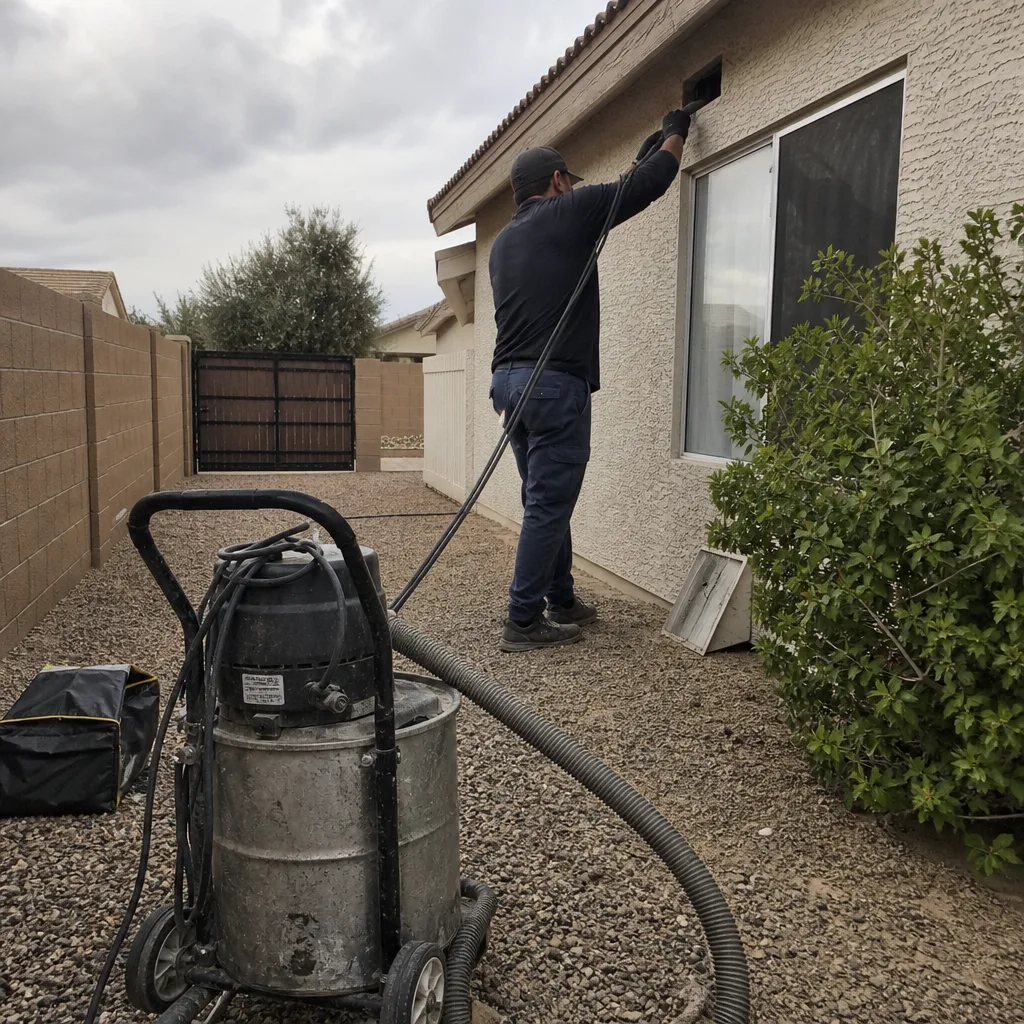 Before
 After
 Before
 After
 Before
 After
When to Call a Professional
Call a professional when your airflow test shows a starved room, when you find a disconnected or crushed duct during your own inspection, when a musty smell appears only when the AC starts, or when your dryer needs two cycles to dry a load. Those are the symptoms that point to a problem beyond basic maintenance. You should also call if you have visible mold growth inside the ductwork or around the air handler, since that requires the containment and air-scrubbing equipment a professional carries. And call if you simply want a clear answer about whether your system needs cleaning, repair, or filtration work before you spend money on any of them.
Duct Cleaning Yuma offers free estimates in Yuma. Our technicians have up to 11 years of experience, and we use professional-grade Rotobrush and Nikro systems with Abatement Technologies containment to inspect, clean, and repair the full air pathway. Call (888) 871-1789 for an estimate. We answer 24/7. Fast dispatch from 7am to 7pm, Sunday through Friday.
Frequently Asked Questions
Run the tissue test at every supply register. If airflow is roughly even room to room but dust settles quickly and allergies flare, the ducts are likely dirty. If one or two registers are much weaker than the rest, or you hear flapping or whistling, the ducts are likely damaged or disconnected. Weak airflow in a single room is the clearest signal that cleaning alone won’t fix the problem. Call (888) 871-1789 if you want a free inspection to confirm which issue you’re dealing with.
A single hot room usually points to a collapsed flex duct, a disconnected trunk line, or a run that lost its insulation. Yuma attic temperatures are brutal on flex duct, and a run that sagged or came apart at a joint cuts airflow to that room while the rest of the house stays comfortable. Cleaning won’t fix it, but a repair will. Call (888) 871-1789 to schedule a free estimate and find out exactly what’s happening.
That pattern almost always means microbial growth in the air handler, evaporator coil, or plenum rather than the register branches. The blower picks up the smell from the damp surface and pushes it into every room at the start of each cycle. It fades as the cycle runs because the strongest source has already been flushed. Fixing it means addressing the moisture source and the growth together, which needs containment equipment. Call (888) 871-1789 for an inspection.
Honest whole-system ranges depend on the number of runs, the size of the system, and how much repair is needed, so a written estimate after inspection is the only accurate answer. What we can say is that we don’t quote a per-vent price or a teaser coupon figure, because those numbers rarely match the final invoice. The price is set per job by the written estimate before any work starts. Call (888) 871-1789 and estimates are free.
Yes, and it’s worth doing. Turn off the system, remove an accessible register grille, and use a flashlight plus your phone camera on video mode to look down the run for debris, sagging, or crushed sections. You can also check reachable joints in the attic or utility closet for separated tape or disconnected sections. Write down what you find by room, and be ready to read it back when you call. You can check our Yuma service page if you want a starting point.
There’s no universal schedule that fits every home, and anyone who quotes you a fixed interval without inspecting your system is guessing. Homes with pets, recent remodeling, or visible dust accumulation typically need attention sooner than a clean, low-pet household. If you’ve never had the ducts inspected since the house was built, a check is a reasonable starting point. Call (888) 871-1789 for a free estimate and an honest answer about what your system actually needs.
The Bottom Line
The most useful thing you can do with a duct problem is figure out whether it’s cleanliness or damage before you spend money. The tissue test at every register tells you which category you’re in within fifteen minutes. If airflow is even and the house is dusty, cleaning and filtration work is the answer. If one room is starved, the fix is repair or resealing, and a clean-only company cannot help you there. In Yuma’s heat, flex duct degradation is common enough that any duct problem deserves a careful look at joints and connections, not just the interior of the run. Get the diagnosis right first, then decide what to buy. Our technicians have up to 11 years of experience with Rotobrush and Nikro systems, and we repair damaged ductwork at the same appointment. Contact Duct Cleaning Yuma for a free estimate at (888) 871-1789. We answer 24/7. Fast dispatch from 7am to 7pm, Sunday through Friday.
Written by the team at Duct Cleaning Yuma.