
Last updated November 15, 2026
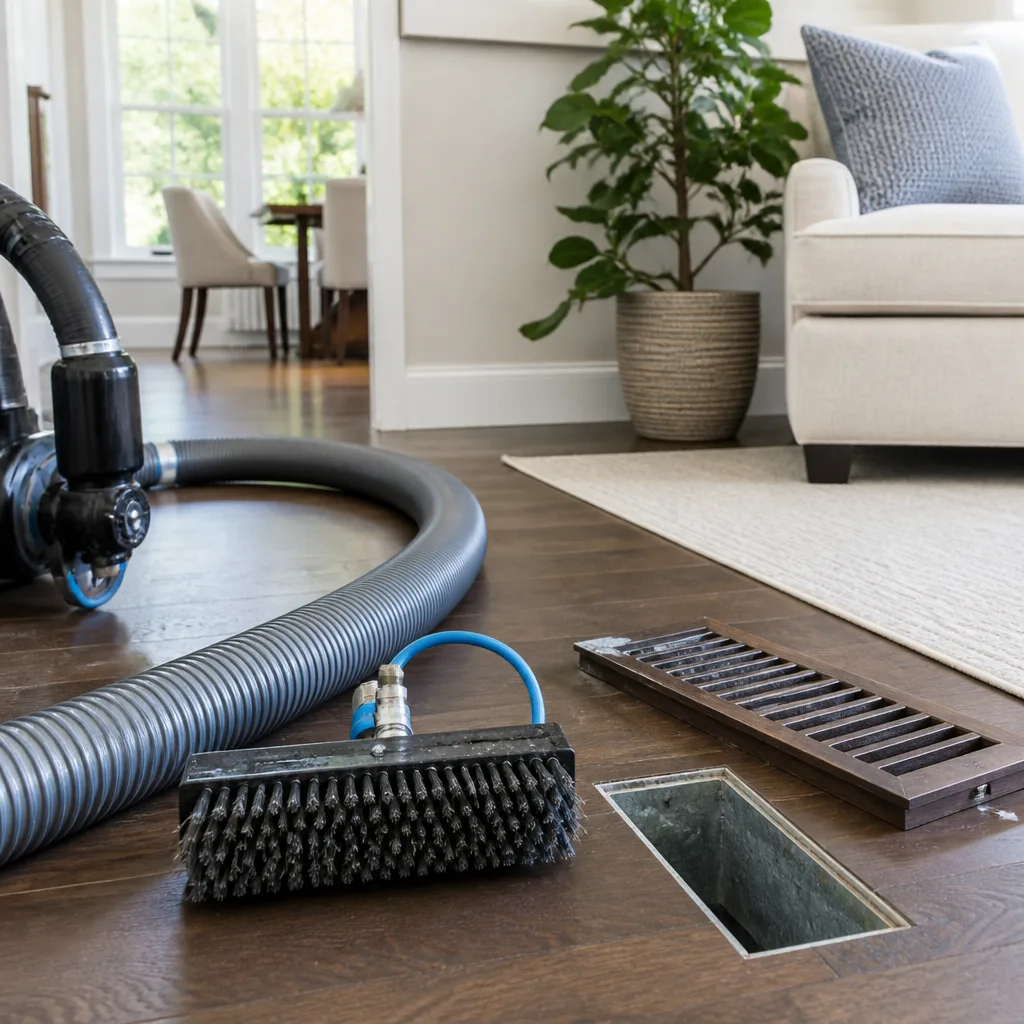 Whole-home duct cleaning
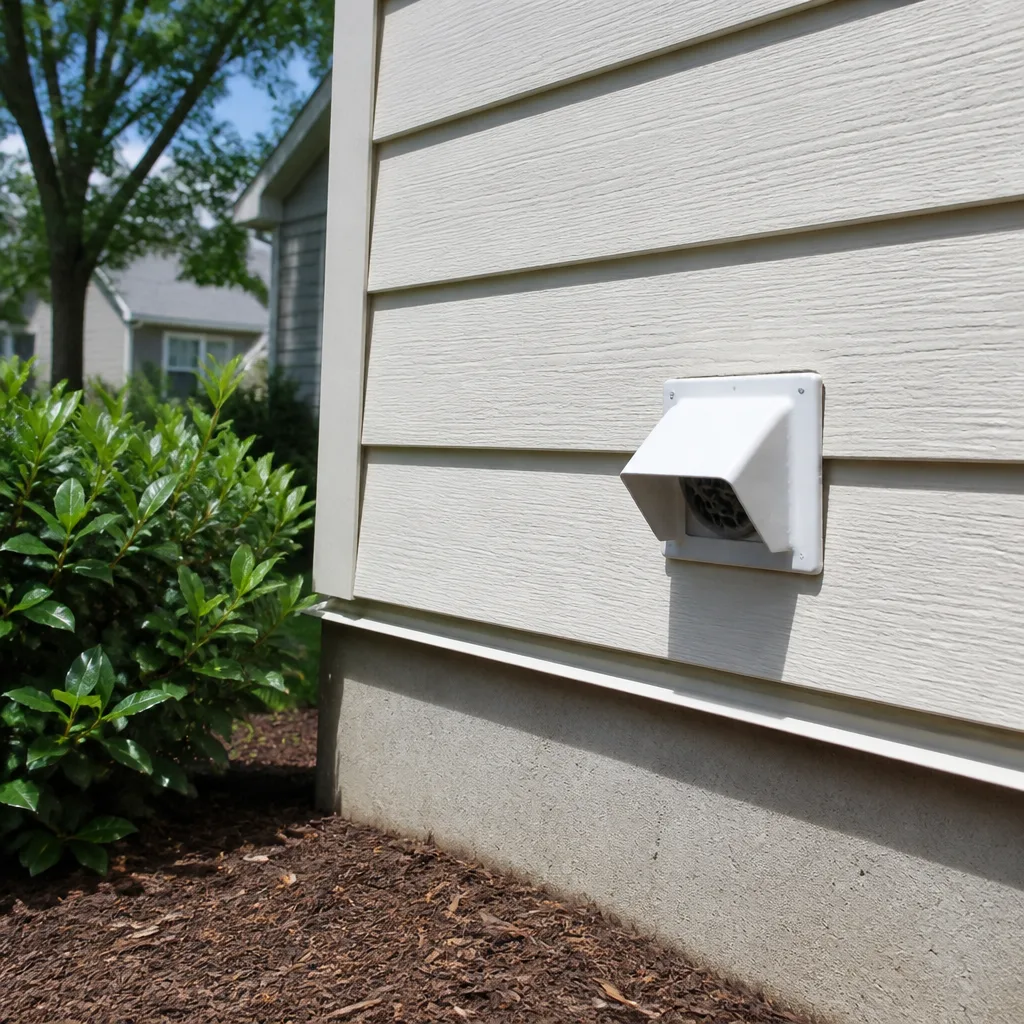 Dryer vent cleaning
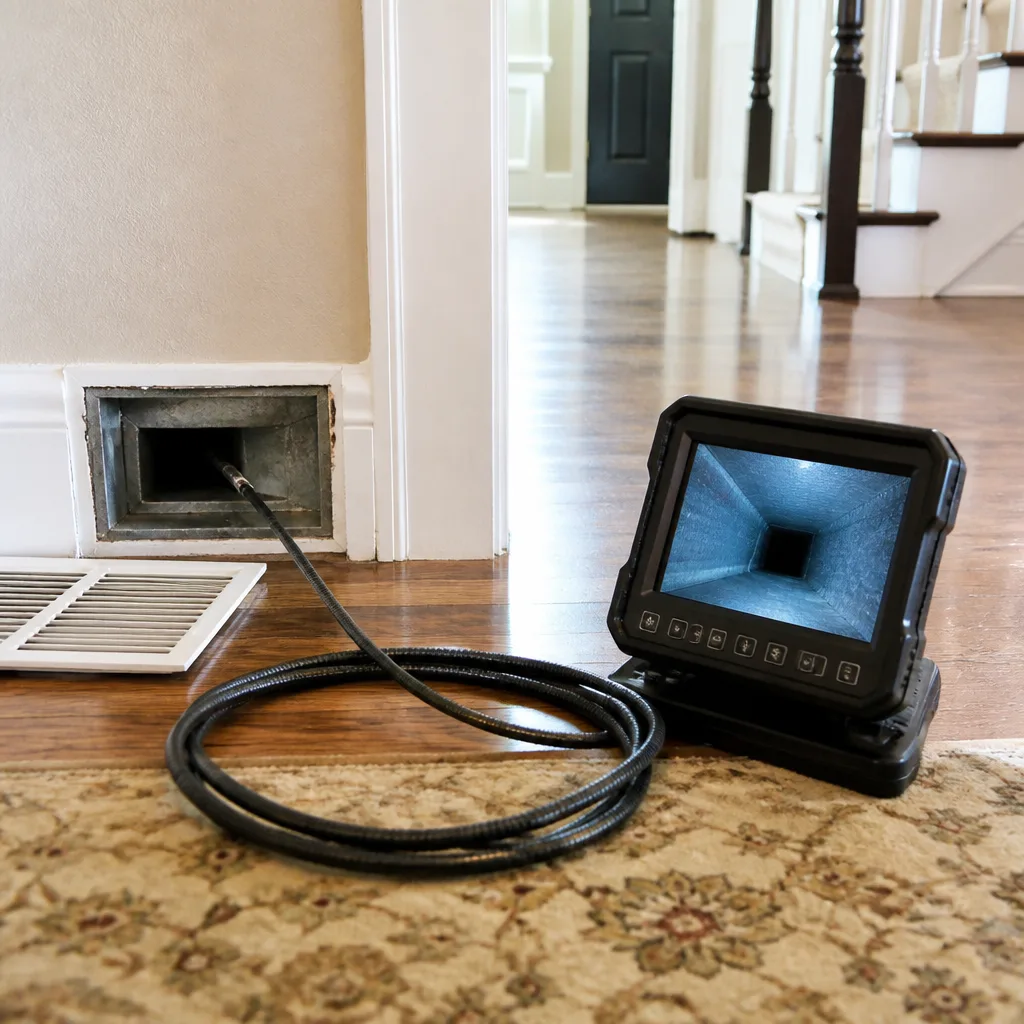 Camera inspection
 Sanitizing & deodorizing
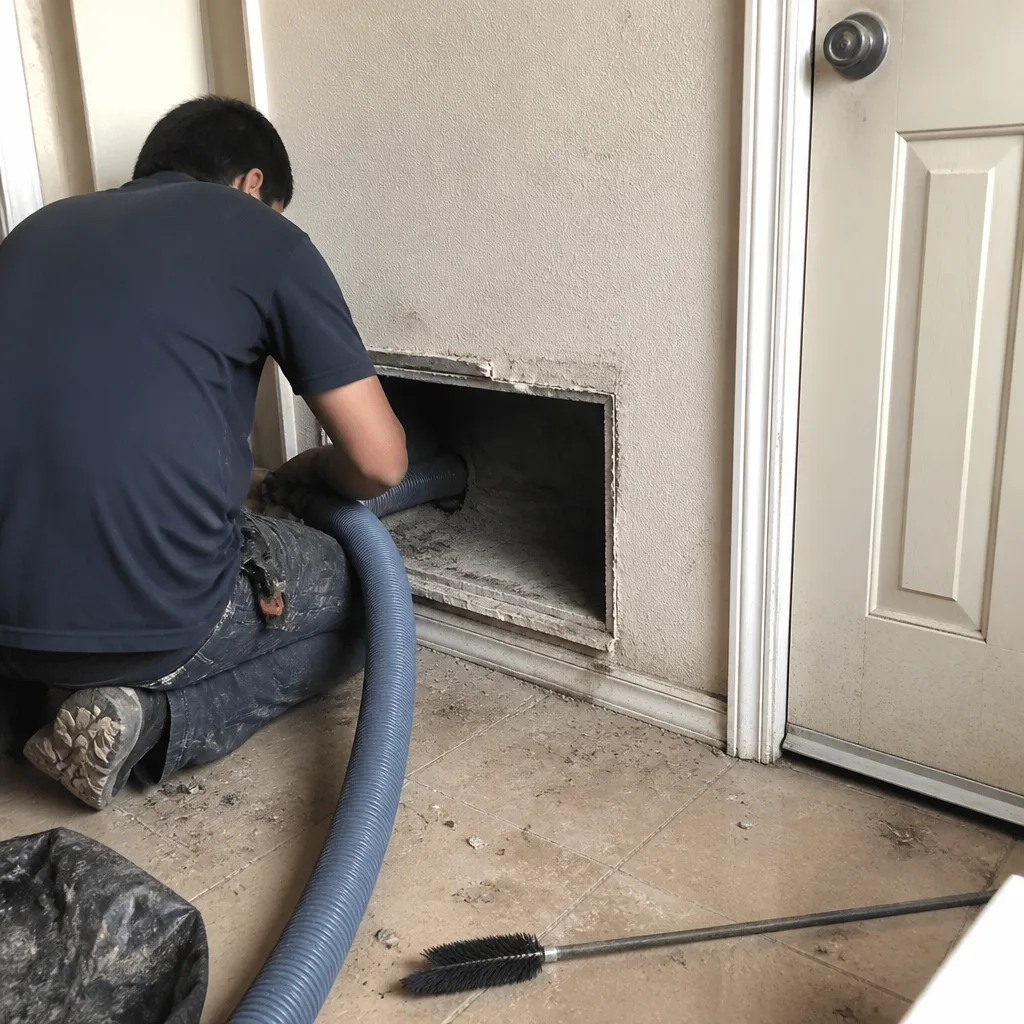
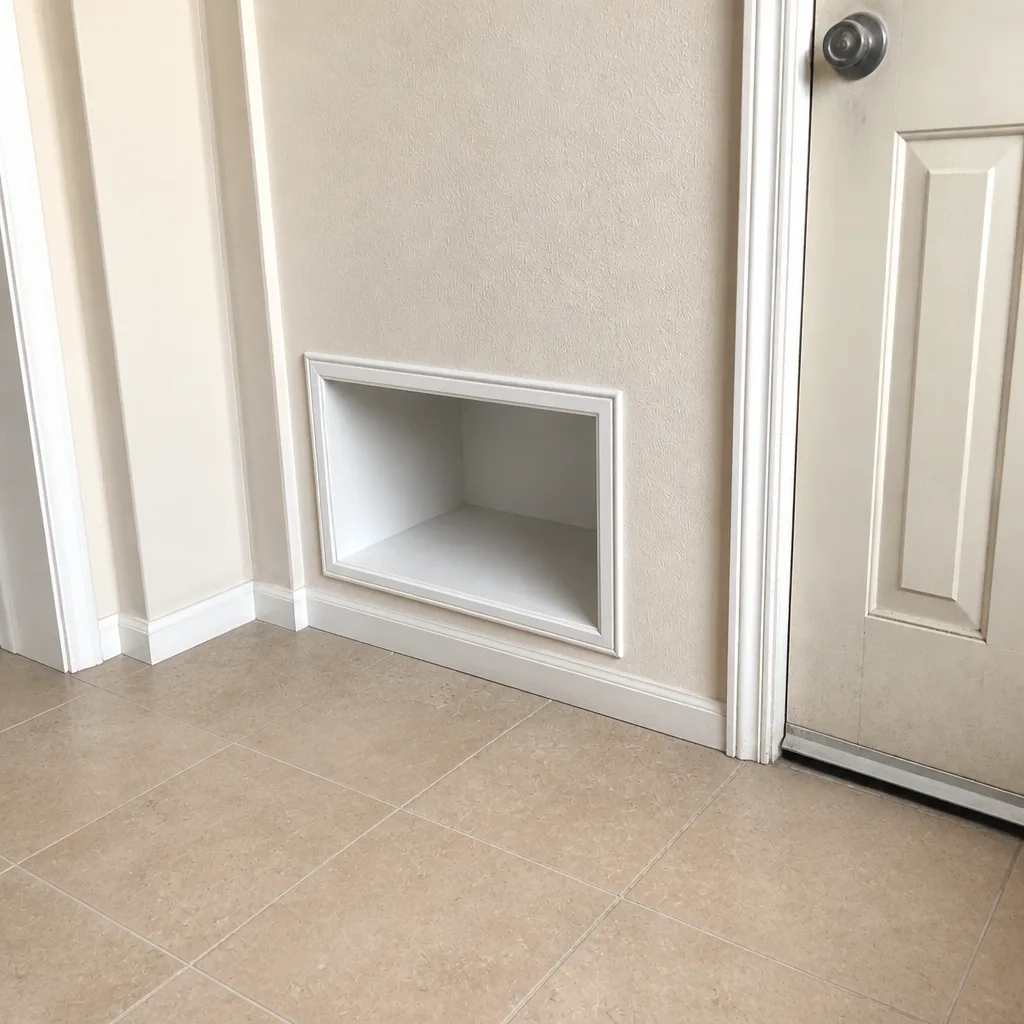
Whole-system duct and dryer vent check with before-and-after photos - you see exactly what came out of your vents
That "$99 whole-house special" is a bait ad - the real number appears once they are in your hallway, or the "clean" is a shop-vac at the register. We photograph the inside of your ducts before and after instead.
Air Duct Cleaning Warning Signs: A Yuma Homeowner’s Reference Guide
Wipe a supply register in Yuma and you’ll see dust again before the week is out. That’s normal here. The desert throws fine particulate at every house, and a little settlement on the grille is the cost of living where we do. But there’s a line between dust that lands on your register and dust that your duct system is actively pushing into the room, and most homeowners never learn to tell the two apart. That gap is what this guide closes. We’ll walk through the subtle signals that desert living trains you to ignore, explain what each one actually points to inside the air pathway, and give you straight tests you can run yourself before you spend a dollar on cleaning.
Quick Answer
The clearest warning signs that your air ducts need attention in Yuma are dust that returns to a just-cleaned register within 48 hours, a musty smell on the first cooling run after monsoon humidity, a burning odor at fall startup, rooms that never cool evenly in summer, and allergy symptoms that flare specifically when the system runs. Any one of these is worth investigating. Two or more together almost always point to debris stored inside the duct system rather than ordinary desert dust.
Styles & brands we work with
- Whole-home duct cleaning
- Dryer vent cleaning
- Camera inspection
- Sanitizing & deodorizing
Table of Contents
- Desert Dust vs. a Duct System Shedding Debris
- Odor Signals Specific to Yuma
- Airflow Imbalance as a Structural Warning Sign
- Allergy Symptoms Timed to Your HVAC
- Visual Inspection Points You Can Check Without Tools
- The Dryer Vent Signal Homeowners Miss
- When Better Filters Mask the Real Problem
- Cleaning vs. Repair: Reading the Difference
Desert Dust vs. a Duct System Shedding Debris
Here’s the distinction that matters most, and it’s the one most warning-sign articles skip. Dust settling on a register falls from the room air, lands, and stays put until something moves it. Dust shed by a duct system gets delivered under pressure, which means it comes back fast, evenly, and from the inside out. If you clean a register cover and it’s coated again inside 48 hours, the source isn’t the desert. It’s the duct.
You can test which situation you’re in with a paper towel and two days of patience.
- Wipe one supply register cover completely clean with a damp paper towel. Pick a register in a room you use daily.
- Note the time and date, and don’t dust the room around it. Leave the register alone.
- Check it at the 24-hour mark, then again at 48 hours. Settlement dust appears as a light, even film. Duct-shed debris tends to be patchier and heavier near the louvers where airflow exits.
- Repeat on a second register on a different branch of the system. If both behave the same way, the source is the shared trunk line.
In our experience across Yuma homes, the 48-hour reappearance pattern correlates strongly with debris that has built up on the duct walls and is being lifted with every airflow cycle. Caliche dust is especially good at this. It’s fine, slightly alkaline, and it binds to galvanized duct surfaces, so once it’s inside it doesn’t blow through and leave. It accumulates, then releases in pulses. That pulsing is what you’re seeing on the register.
One more cue: look at the direction of the dust. Settlement coats the top surface of a grille evenly. Debris pushed by airflow tends to concentrate at the edges and louver slots, and it often carries a slightly gray or tan tint that differs from the dust on your furniture. If your air duct cleaning hasn’t been done in several years, this is the first sign most homeowners notice and the easiest one to confirm.
Odor Signals Specific to Yuma
Smells are the most reliable early warning your duct system gives you, because odors travel on airflow and reach you before visible dust does. Yuma has two odor patterns that show up on a schedule, and each one tells you something different about what’s happening inside the system.
The musty smell on the first post-monsoon cooling run
When monsoon humidity rolls through and you switch the system back to cooling after a stretch of dry heat, a musty or damp-earth smell is a signal, not a coincidence. Moisture in the air meets dust and organic debris sitting on duct surfaces and inside the evaporator coil housing, and microbial growth gets a foothold. If the smell fades after a few minutes of runtime, the growth is likely light and localized. If it returns every time the system cycles, the debris load is holding moisture and the source needs to be removed, not masked. This is the single most common odor complaint we hear in Yuma, and it’s almost always a duct-and-coil issue rather than an outdoor air issue, whatever your nose tells you at first.
The burning smell at fall startup
A brief dusty, hot smell the first time the heat runs in autumn is normal. It’s dust burning off the heat exchanger. What isn’t normal is a burning odor that persists past the first cycle, or one that smells acrid rather than dusty. Persistent burning odors can indicate debris resting on the heat exchanger, a failing blower motor, or an electrical issue in the air handler. Stop running the system and have it looked at. We’ll say plainly that this is not a smell to diagnose by nose over the phone.
- Musty, damp, earthy: moisture plus organic debris in ducts or at the coil. Usually resolves with cleaning and moisture control.
- Dusty-burning, fades in minutes: normal first-run burnoff. Not a warning sign.
- Acrid or persistent burning: stop the system and get professional eyes on it. Could be electrical or a component failure.
- Dead-animal or sharp rot smell: pest intrusion into ductwork. Needs inspection and repair, not just cleaning.
Airflow Imbalance as a Structural Warning Sign
A room that never cools well in a Yuma summer is often blamed on the thermostat, the unit’s age, or the room’s orientation to the sun. Sometimes that’s right. But airflow imbalance across a house is frequently structural: a run of flex duct that has collapsed, kinked, or separated from its boot. When a flex duct sags or gets crushed, the air it’s supposed to deliver just doesn’t arrive, and no filter change or thermostat adjustment will fix it.
You can map your system’s balance without tools. On a hot afternoon, hold the back of your hand near each supply register for a few seconds and note the strength and temperature of the airflow. Do the same at each return grille. What you’re looking for is contrast: registers that feel weak or warm next to registers that feel strong and cold. A consistent pattern of weak registers on one side of the house suggests a branch problem rather than an equipment problem.
- One room consistently weak, others fine: likely a single branch issue, often flex duct damage in the attic or crawl space.
- Upper floor weak, lower floor strong: could be duct sizing or a leaking trunk line losing pressure before it reaches the far runs.
- Whole house weak: often a blower, filter, or main trunk restriction rather than a duct cleaning issue on its own.
- Whistling or roaring at one register: pressure imbalance from a restriction elsewhere in the system.
This is where cleaning-only contractors hit a wall. They can identify a collapsed duct, but they can’t fix it, so you end up calling a second company. We handle air duct repair alongside cleaning because the two problems travel together so often. If a technician finds damaged ductwork during a cleaning, it gets repaired rather than just reported. That single-visit scope matters in a Yuma summer, when a weak room means real discomfort and higher cooling bills.
Allergy Symptoms Timed to Your HVAC
Allergy symptoms that flare when the system runs, and ease when it’s off, are a duct signal. Symptoms that track the outdoor pollen calendar regardless of whether your system is on are an outdoor-air signal. The distinction is worth learning, because it tells you whether to spend money on filtration, duct cleaning, or neither.
Yuma’s pollen seasons are real and they’re measurable. What we ask homeowners to do is keep a simple log for a week. Note when symptoms flare and whether the system was running at that moment. If your symptoms peak during the hours the system is actively cycling and settle when it’s off, you’re reacting to something the system is delivering. That something is particulate that’s been sitting in the ducts and gets pushed into the room with the air.
What to look for
- Sneezing or congestion that starts within minutes of the system kicking on.
- Morning symptoms that clear after you leave the house and return when you come back inside.
- Symptoms that worsen in rooms with the strongest airflow.
- Eye or throat irritation that tracks system runtime rather than the outdoor pollen count.
We are not medical professionals and we don’t diagnose respiratory conditions. What we can say is that when symptoms track system operation that tightly, the air pathway is worth inspecting. Professional-grade extraction with containment equipment removes the debris rather than stirring it up, which is why containment matters so much in this scenario. A shop vacuum attached to a register can make a timed-symptom problem briefly worse by launching stored particulate into the room.
For homeowners in the older neighborhoods around central Yuma, where homes often have decades-old duct runs and original boots, the symptom pattern tends to be more pronounced simply because the debris load has had longer to build.
Visual Inspection Points You Can Check Without Tools
You don’t need a scope or a ladder to spot half of what a technician would flag. Three visual checks take about five minutes and tell you a lot about the condition of the air pathway.
The return air grille
Pull the return grille cover off by hand (most lift straight up or swing on a hinge) and look at the filter and the surface behind it. A filter that’s gray and matted across its whole face is doing its job but loaded. A filter that’s clean in the center and dirty at the edges, or one that’s visibly bypassing at the frame, means air is going around it and carrying dust straight into the system. Look past the filter at the return plenum if you can see it. A thick coating of dust on that surface is a direct sign the system is running dirty upstream of the filter.
Supply boot edges
Look at the edges where the register boot meets the ceiling or wall. Dark staining, fuzzy growth, or a persistent damp look at those edges points to moisture and possible microbial growth in the duct. This is more common after a humid monsoon stretch, and it’s a visual warning that a simple cleaning may not be enough. Also check for gaps or separation at the boot. A visible gap there means conditioned air is leaking into the attic or wall cavity instead of reaching the room.
The dryer vent exterior damper
Go outside and find the dryer vent flap on your exterior wall. With the dryer running, the damper should be pushed open and stay open, with steady airflow you can feel. If the flap stays shut, flutters weakly, or won’t open at all, the vent line is restricted. Lint buildup is the usual cause, and it’s a fire-safety issue, not just a drying-time issue. This check takes thirty seconds and is one of the most valuable ones in this guide.
These three checks cover the accessible parts of the pathway. The parts you can’t see, like the inside of your trunk line and the coil housing, need proper equipment to inspect. When our technicians arrive, they carry dryer vent cleaning tools and full duct inspection gear, so a single visit covers both the air system and the vent line.
The Dryer Vent Signal Homeowners Miss
Dryer vent restriction is the warning sign most Yuma homeowners never connect to their ducts, because it doesn’t look like an air quality problem. It looks like laundry that takes two cycles to dry. That symptom is worth taking seriously. A clogged dryer vent forces the dryer to run hotter and longer, and lint accumulation in the vent line is a documented fire hazard in homes across the country.
Yuma’s dry climate makes the symptom slightly easier to dismiss: clothes dry fast here anyway, so an extra cycle feels like a minor annoyance rather than a warning. Don’t let the climate fool you. The vent restriction is happening regardless of how dry the outdoor air is.
Signs your dryer vent needs attention
- The exterior damper doesn’t stay open while the dryer runs, or you can’t feel strong airflow at it.
- Clothes take noticeably longer to dry than they used to, or need a second cycle.
- The top of the dryer or the wall behind it feels hot to the touch during a cycle.
- You notice a burning or hot-lint smell near the dryer.
- Lint is collecting behind the dryer or around the vent connection rather than in the lint trap.
If you check two or more of those, the vent line needs professional cleaning. We clear the full run from the dryer connection to the exterior termination, not just the section behind the appliance. A partial clean is one of the most common reasons a vent problem comes back within a season. Cleaning the full air pathway, ducts, dryer vent, and the connections in between, under one company means you’re not coordinating two contractors for two related problems.
When Better Filters Mask the Real Problem
A common response to noticing dust in the house is to buy a higher-rated filter. That can be the right move, but it can also mask the real issue and create a new one. A filter that’s too restrictive for your system’s blower can reduce airflow, force the blower to work harder, and actually increase the pressure imbalance you were already noticing. Filter upgrades work best when the duct system is clean and the filter is properly matched to the equipment.
Post-cleaning, a filtration upgrade can meaningfully improve what you’re breathing. We work with Honeywell, Aprilaire, and Guardsman filtration products, and the reason we bring them up here is that they’re matched to the system rather than picked off a shelf. A filter cabinet or media filter sized correctly for your air handler catches fine particulate that a standard 1-inch filter lets through, which matters in a place where desert dust is a constant load.
The sequencing matters. Clean the ducts first, then upgrade filtration. Installing a high-performance filter on a dirty system just loads the new filter faster and leaves the stored debris where it was. If you want the full picture on how cleaning and filtration fit together, the main Duct Cleaning Yuma page covers the service scope and what to expect on the day.
Cleaning vs. Repair: Reading the Difference
Not every warning sign points to a cleaning job. Some point to damage that cleaning alone won’t fix, and the difference is worth knowing before you get a quote. Cleaning removes accumulated debris from a structurally sound system. Repair corrects damage like collapsed flex runs, separated joints, torn duct liner, or disconnected boots.
Signs you’re looking at a repair, not just a clean
- A room that gets almost no airflow while the rest of the house is fine.
- Visible separation at a supply boot or a duct joint you can see in the attic.
- Whistling or roaring from a single register.
- Conditioned air leaking into the attic (you can sometimes feel it near a duct run on a hot day).
- Pest damage to flex duct runs.
When damage is present, cleaning the system without repairing it delivers partial results. We handle repair as its own service, and we often do it on the same visit as a cleaning. The reason is practical: once the equipment is out and the system is open, the repair is the efficient next step. Waiting means another appointment, another set of access points opened, and a weak room running for another season in the Yuma heat.
Anyone who tells you a cleaning will fix a collapsed duct is either not inspecting carefully or not able to do the repair. Ask directly whether the damaged run will be repaired and whether it’s included in the same scope.
Common Mistakes to Avoid
- Judging dust at the register before testing it. A wipe test over 48 hours tells you whether the source is the room or the duct. Wiping and assuming the worst, or the best, wastes money in either direction.
- Treating the post-monsoon smell as outdoor air. Musty odors that track system runtime are almost always internal. If the smell shows up every time the system cycles, the source is holding moisture in the duct or coil.
- Chasing thermostat settings when a room won’t cool. Weak airflow from one register is often a collapsed flex run, not a thermostat calibration issue. Test airflow by hand at each register before you adjust anything.
- Skipping the exterior dryer vent damper check. It’s the fastest fire-safety check in your house and the easiest to forget. If the flap doesn’t open under airflow, the line is restricted.
- Buying a high-rated filter for a dirty system. A restrictive filter on a loaded duct system can reduce airflow and worsen the problem. Clean first, then upgrade filtration.
- Accepting a cleaning-only scope when damage is present. If a room is weak or a joint is separated, ask what the repair scope is and whether it’s handled by the same company. Cleaning that ignores damage delivers partial results.
- Judging air quality by eye alone. Fine particulate that loads a duct system isn’t always visible in the room air. The symptom log and the register wipe test catch what your eyes miss.
See the difference
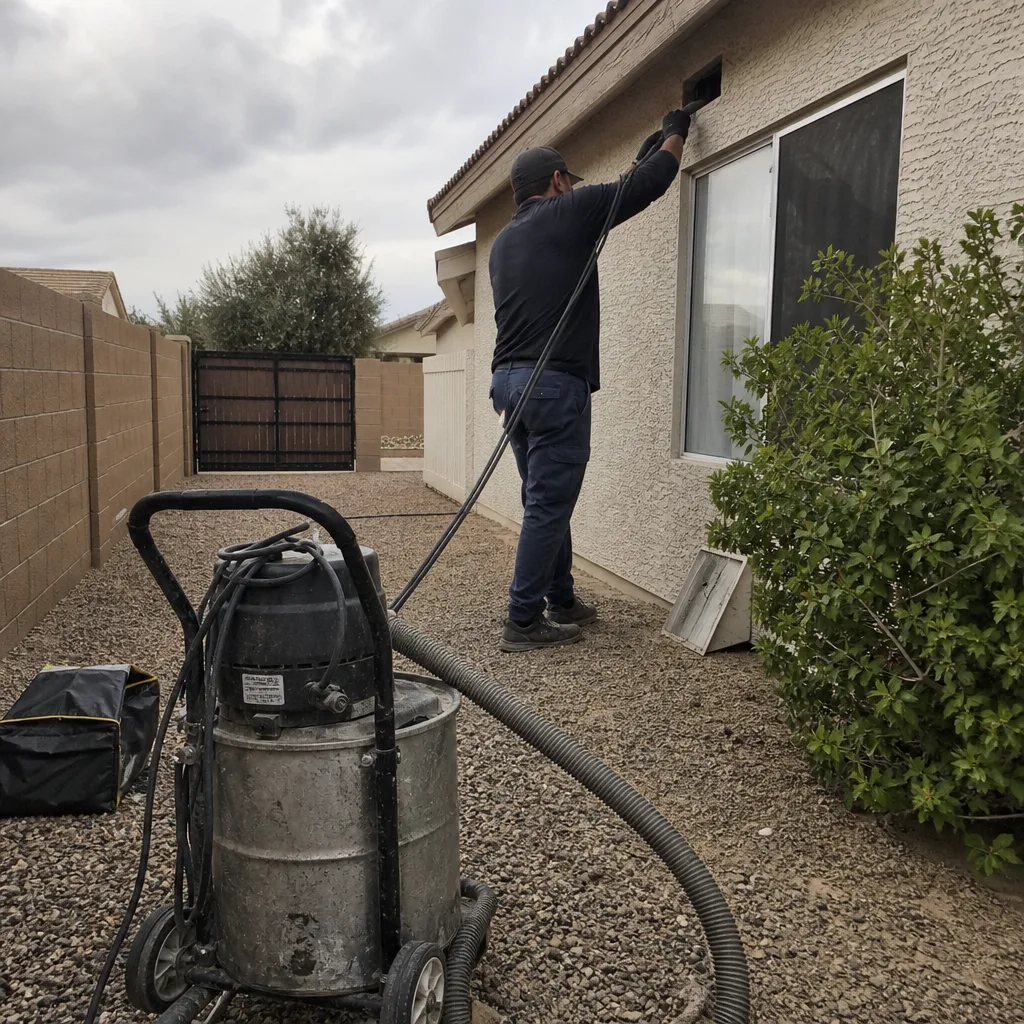 Before
 After
 Before
 After
 Before
 After
When to Call a Professional
Call a professional when your register wipe test shows reappearance inside 48 hours, when a musty odor returns on every cooling cycle after monsoon humidity, when one room consistently underperforms on airflow, or when your dryer vent damper won’t open under load. Call immediately and stop running the system if you smell persistent burning or acrid odors at the air handler. These are the signals that point to stored debris, moisture, damage, or a vent restriction that needs hands-on diagnosis with proper equipment. The visual checks in this guide tell you which situation you’re likely in, but confirming it and fixing it requires access a homeowner can’t reach. Duct Cleaning Yuma offers free estimates in Yuma. Call (888) 871-1789. We answer 24/7. Fast dispatch from 7am to 7pm, Sunday through Friday.
Frequently Asked Questions
Most Yuma homes benefit from an inspection every two to three years and cleaning when the signs in this guide are present, rather than on a fixed calendar. The desert dust load means Yuma systems accumulate debris faster than in wetter climates, so the 48-hour register test is a better trigger than a manufacturer schedule. If your test shows reappearance within 48 hours, get an assessment. Call (888) 871-1789 for an exact quote. Estimates are free.
Cheap quotes are usually priced per vent with a short list of what’s included, and the scope grows once the technician is on site. We price one flat rate per system, agreed before work starts, with no per-vent pricing. The honest whole-system number reflects the equipment and time actually required, and the written estimate sets the final price. Call (888) 871-1789 for an exact quote.
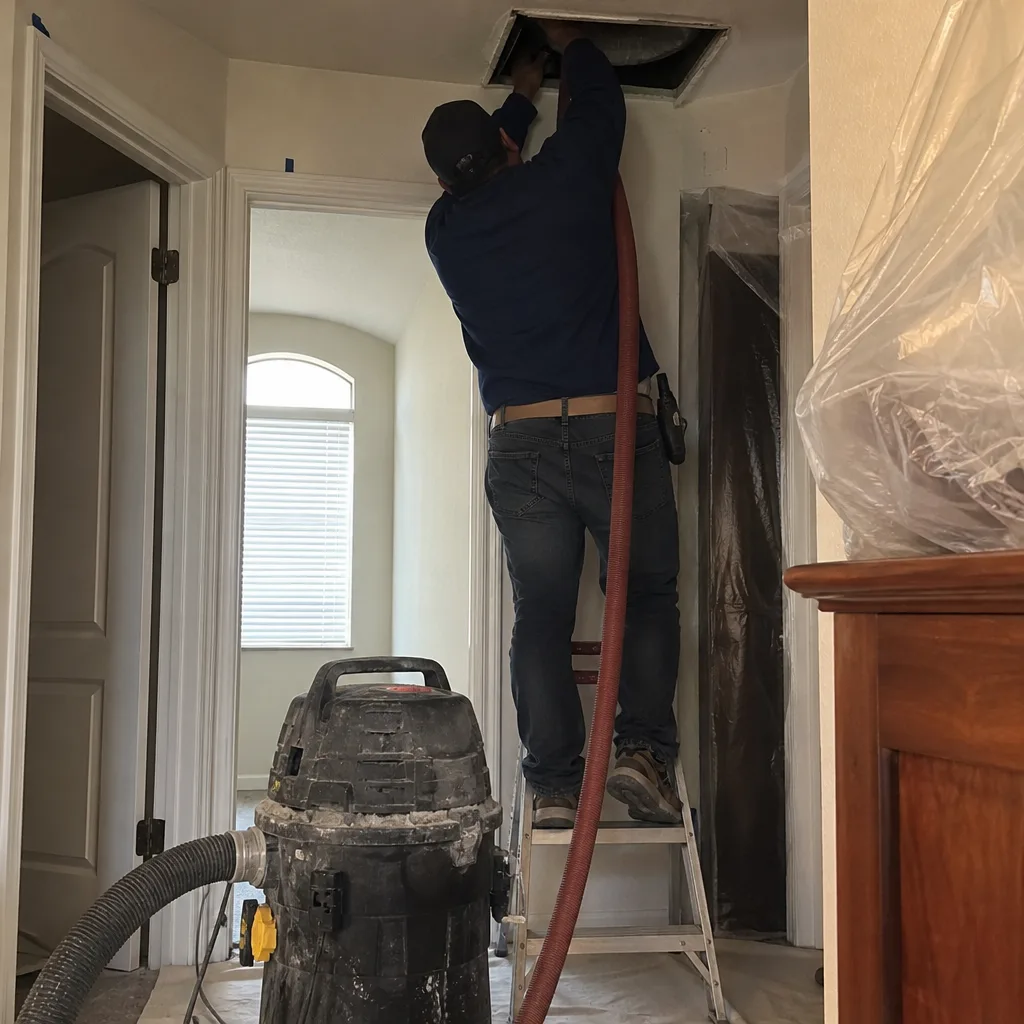
Ask for before-and-after photos of your own ducts. A company using professional-grade equipment with containment should be able to document what came out and what the duct interior looks like after extraction. We use Rotobrush rotary-brush equipment and Abatement Technologies containment and air scrubbers, which is the same standard applied in professional remediation work. Call (888) 871-1789 to schedule and see the documentation for yourself.
Moisture meeting dust and organic debris on duct surfaces or at the evaporator coil housing is the usual cause. The humid monsoon air gives microbial growth a brief window, and the first cooling cycles push that smell into the rooms. If it returns on every cycle, the source needs to be removed rather than masked. Call (888) 871-1789 for an assessment.
Only if the cause is debris. If the weak room is caused by a collapsed, kinked, or separated flex duct, the fix is repair rather than cleaning. Our technicians check airflow balance and inspect the visible duct runs as part of the assessment, and when damage is found, they repair it. Call (888) 871-1789 to schedule an inspection.
Yes, in the sense that lint accumulation in a dryer vent is a genuine fire hazard and worth addressing promptly. The exterior damper check tells you a lot: if the flap won’t open under airflow, the line is restricted. Dryer vent cleaning clears the full run from the dryer to the exterior, not just the section behind the appliance. Call (888) 871-1789 for an exact quote on your vent line.
The Bottom Line
Most Yuma homeowners don’t miss the loud warning signs. They miss the quiet ones, because desert living teaches everyone to normalize fine dust and dry, dusty smells. The 48-hour register test separates ordinary settlement from a system that’s shedding stored debris. The post-monsoon musty smell and the fall startup burn smell each point to different internal conditions. Airflow weakness in one room often means a damaged duct, not a thermostat. And the exterior dryer vent damper is the fastest safety check in your house. Our technicians have up to 11 years of experience identifying all of these, with the professional-grade equipment to both clean and repair the full air pathway. If the signs are there, get an assessment before the next cooling season.
Call Duct Cleaning Yuma at (888) 871-1789 for a free estimate. We answer 24/7. Fast dispatch from 7am to 7pm, Sunday through Friday. One flat price per system, agreed before work starts, with before-and-after photos of your own ducts so you can see exactly what came out.
Written by the team at Duct Cleaning Yuma.