
Last updated November 15, 2026
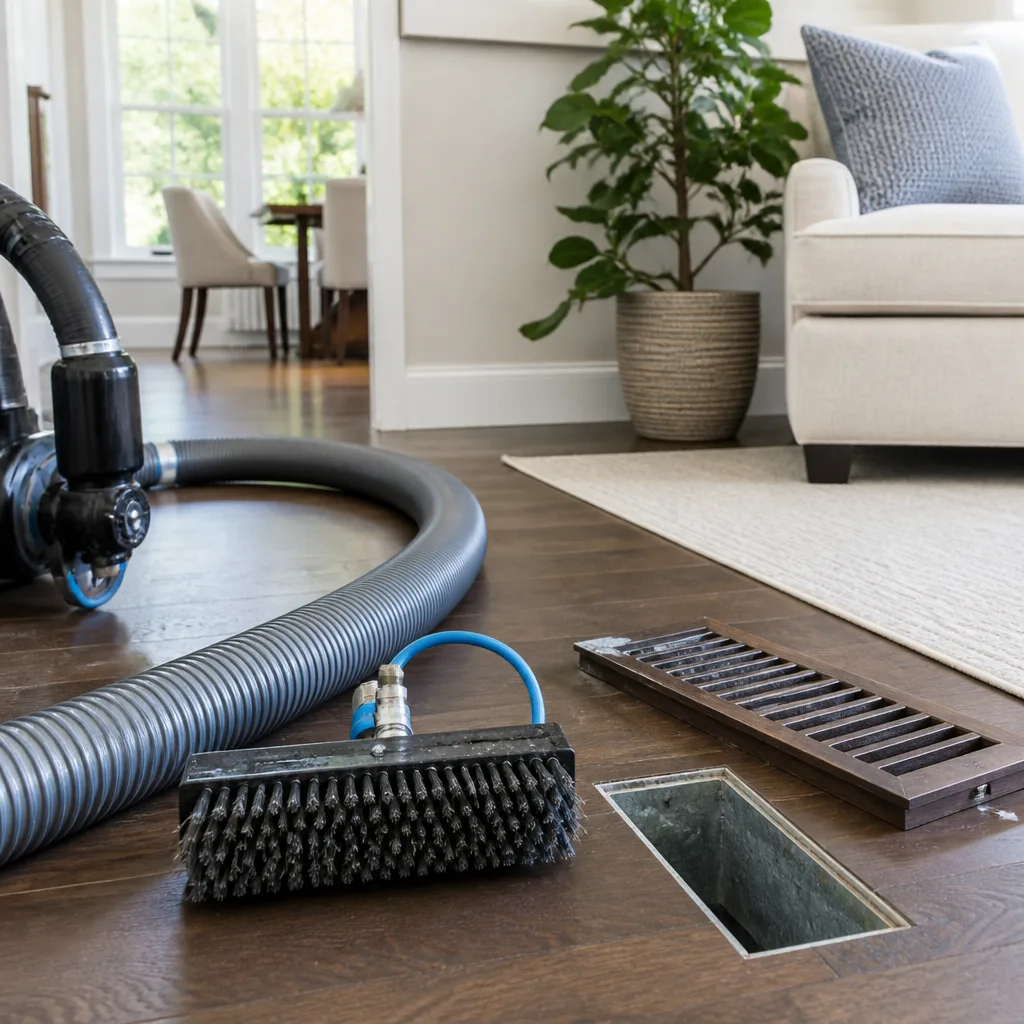 Whole-home duct cleaning
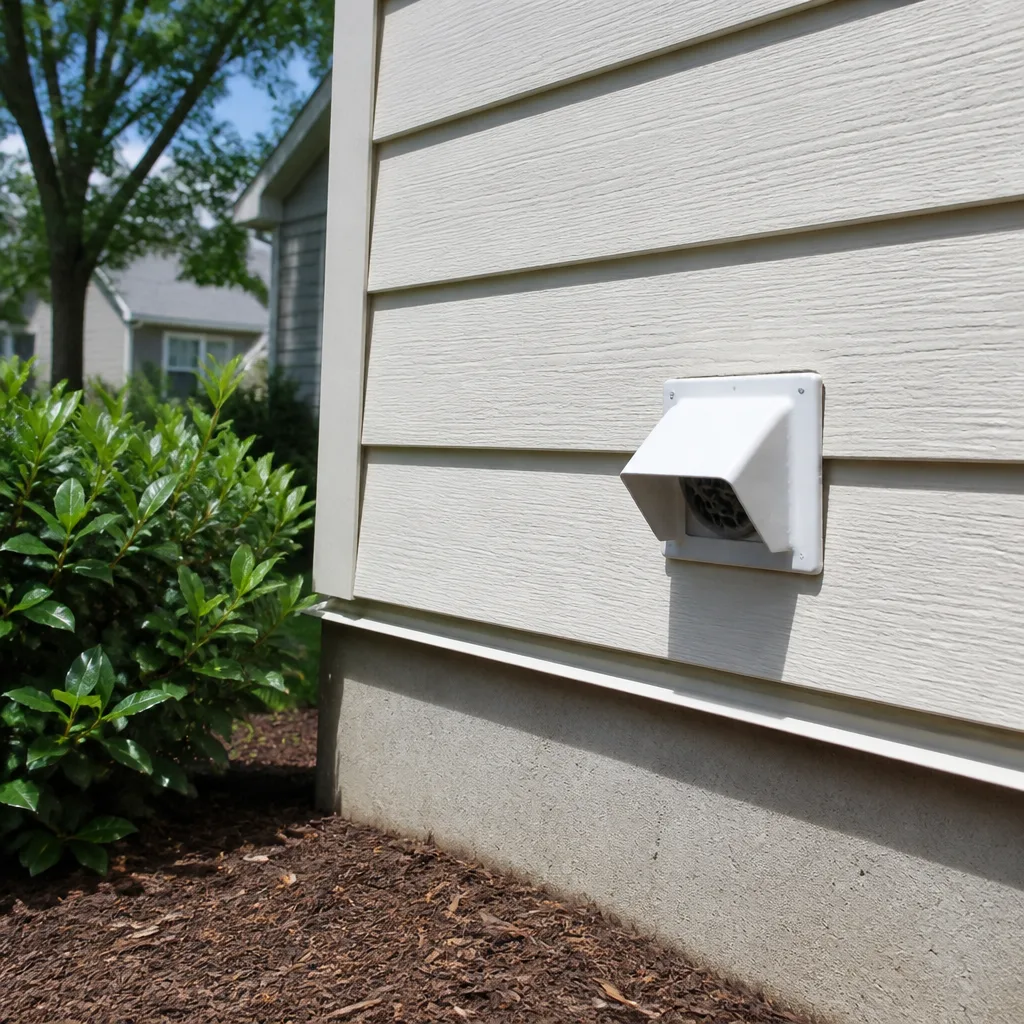 Dryer vent cleaning
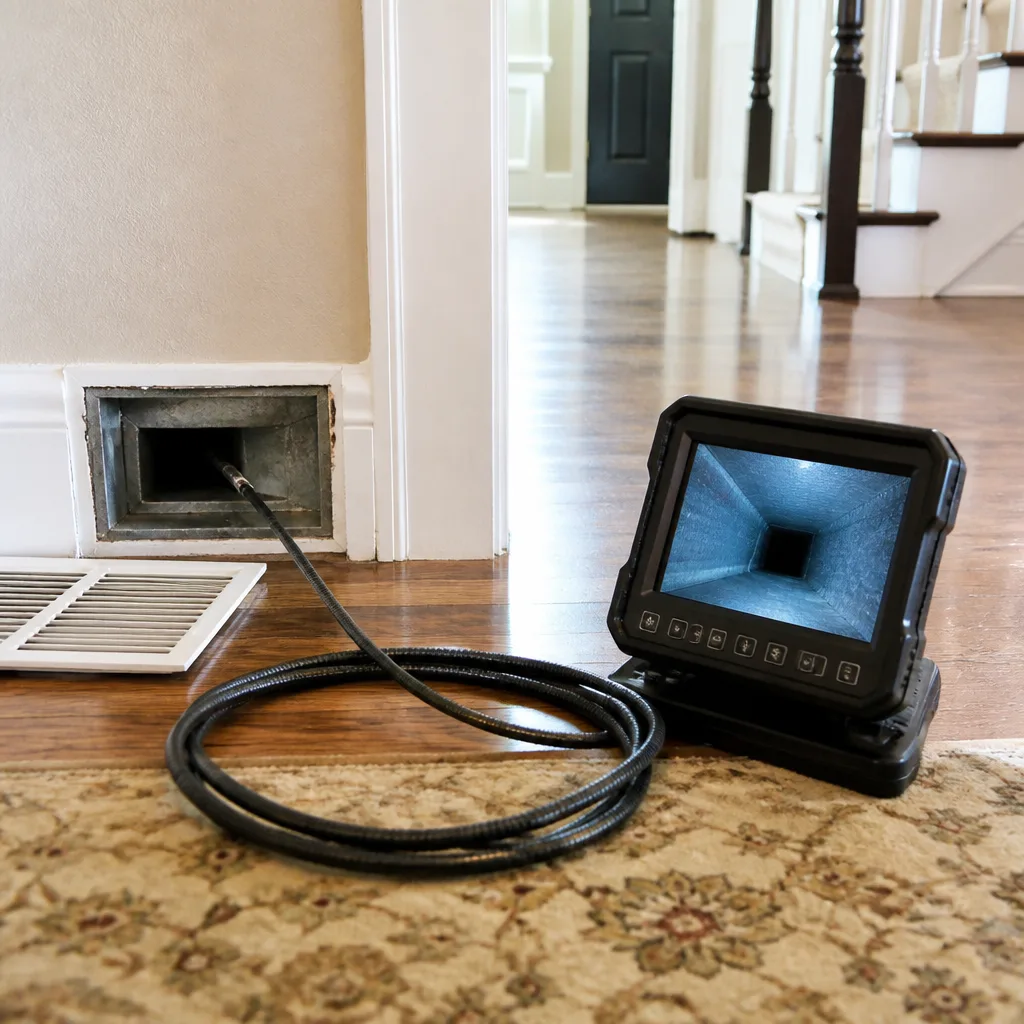 Camera inspection
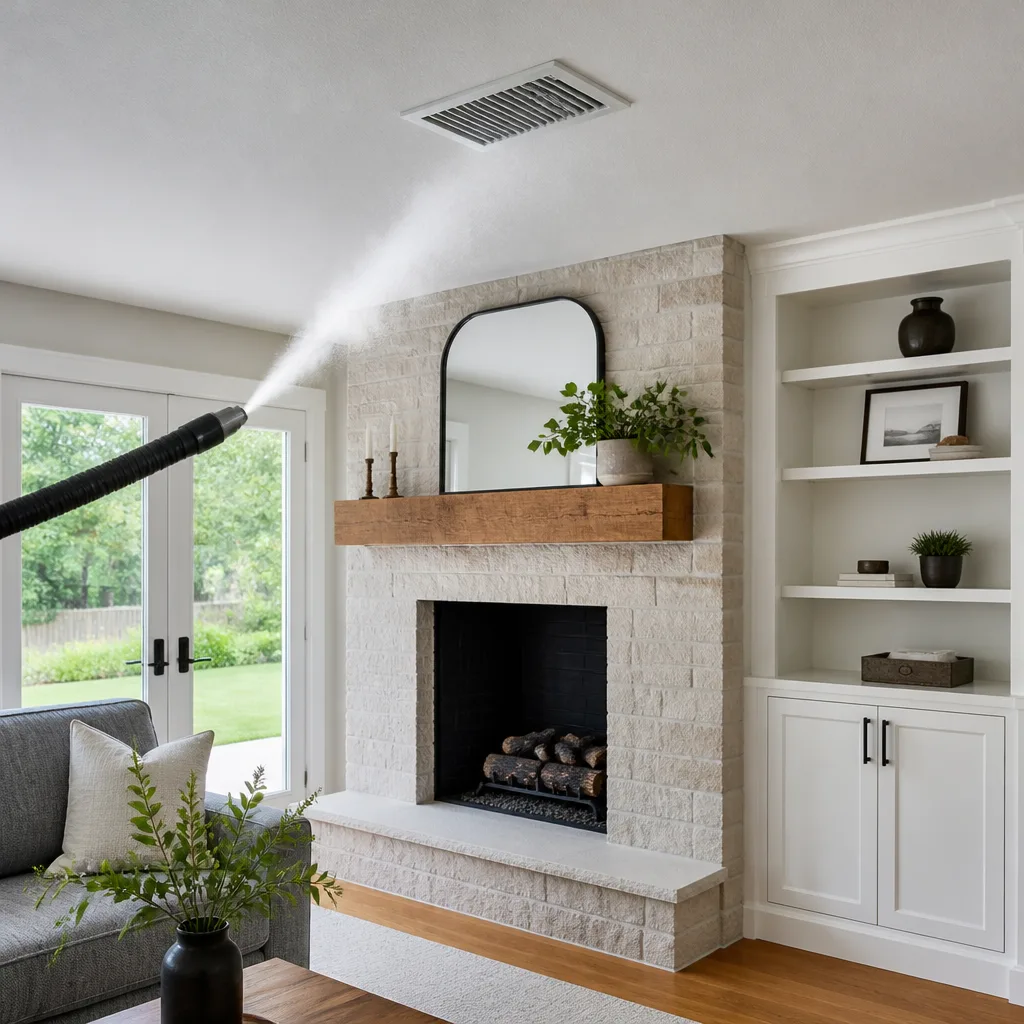 Sanitizing & deodorizing
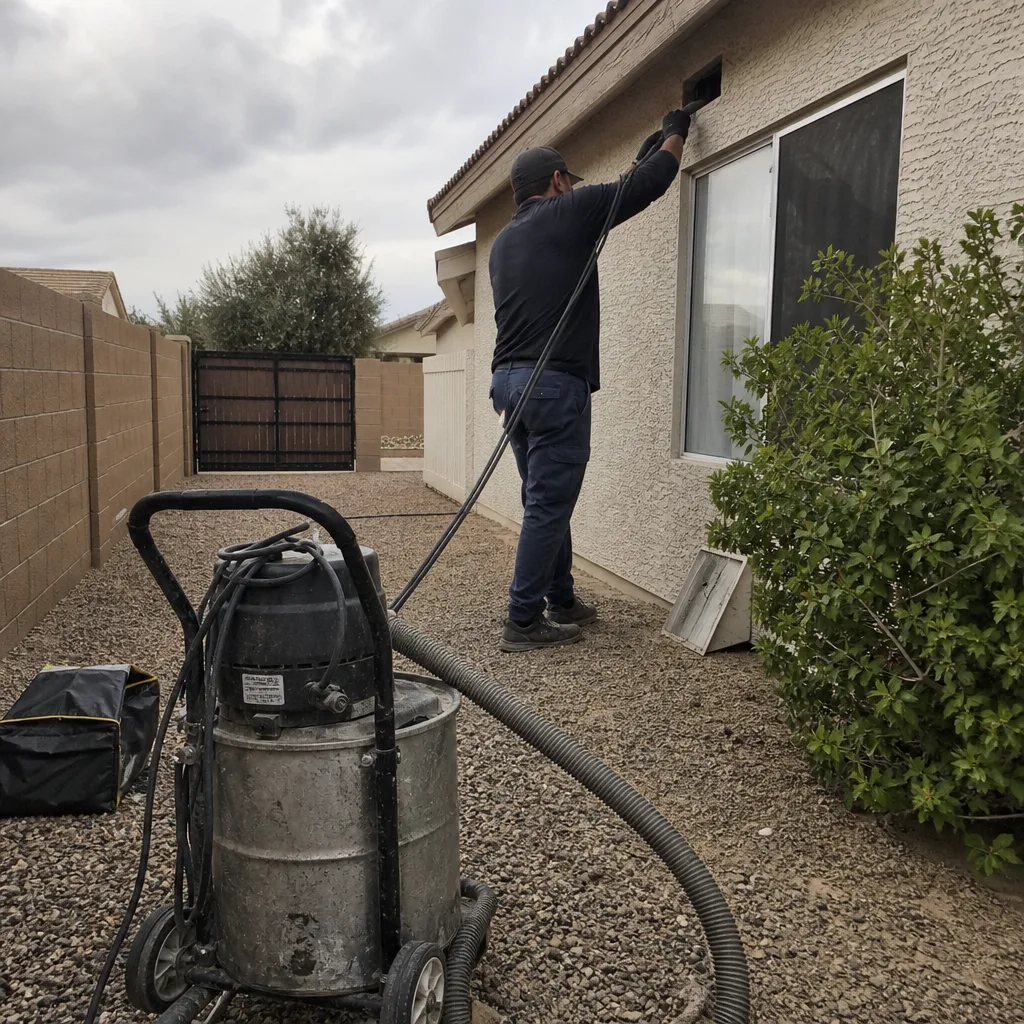
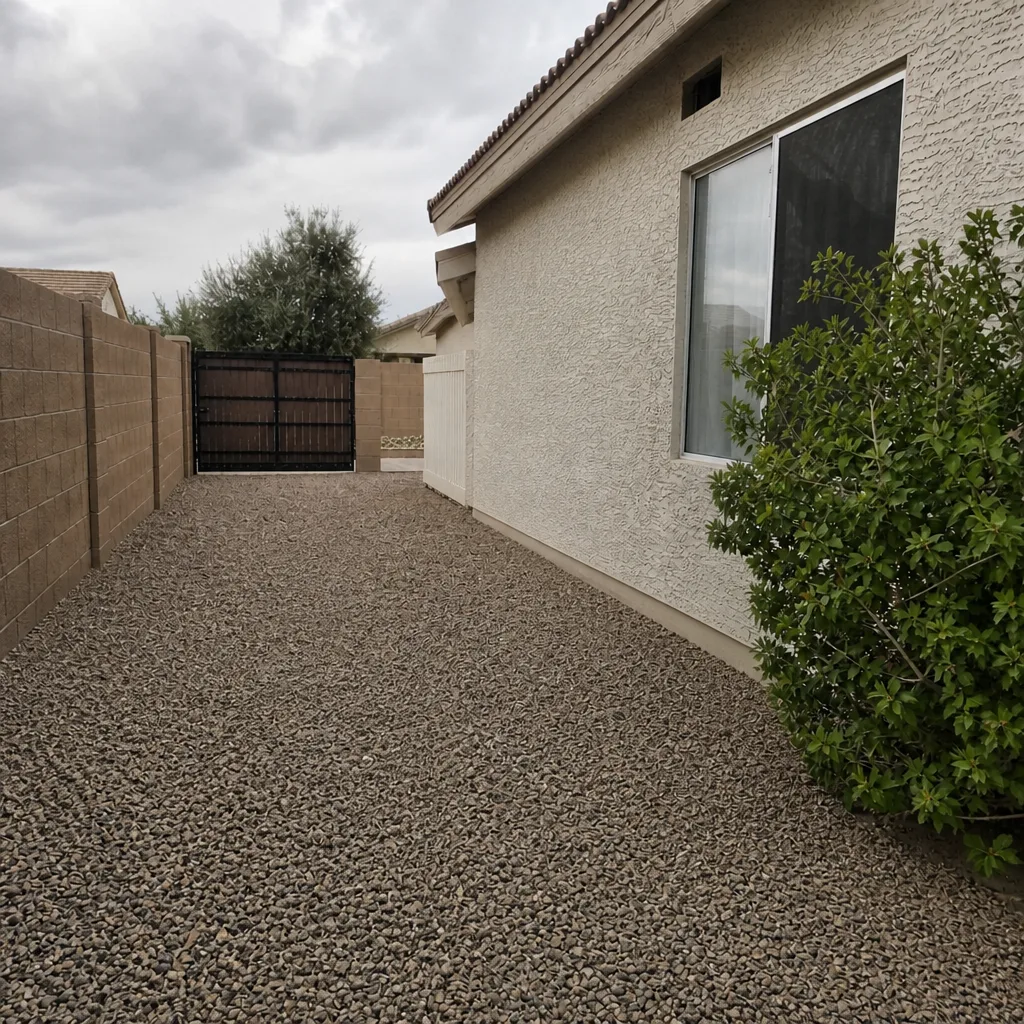
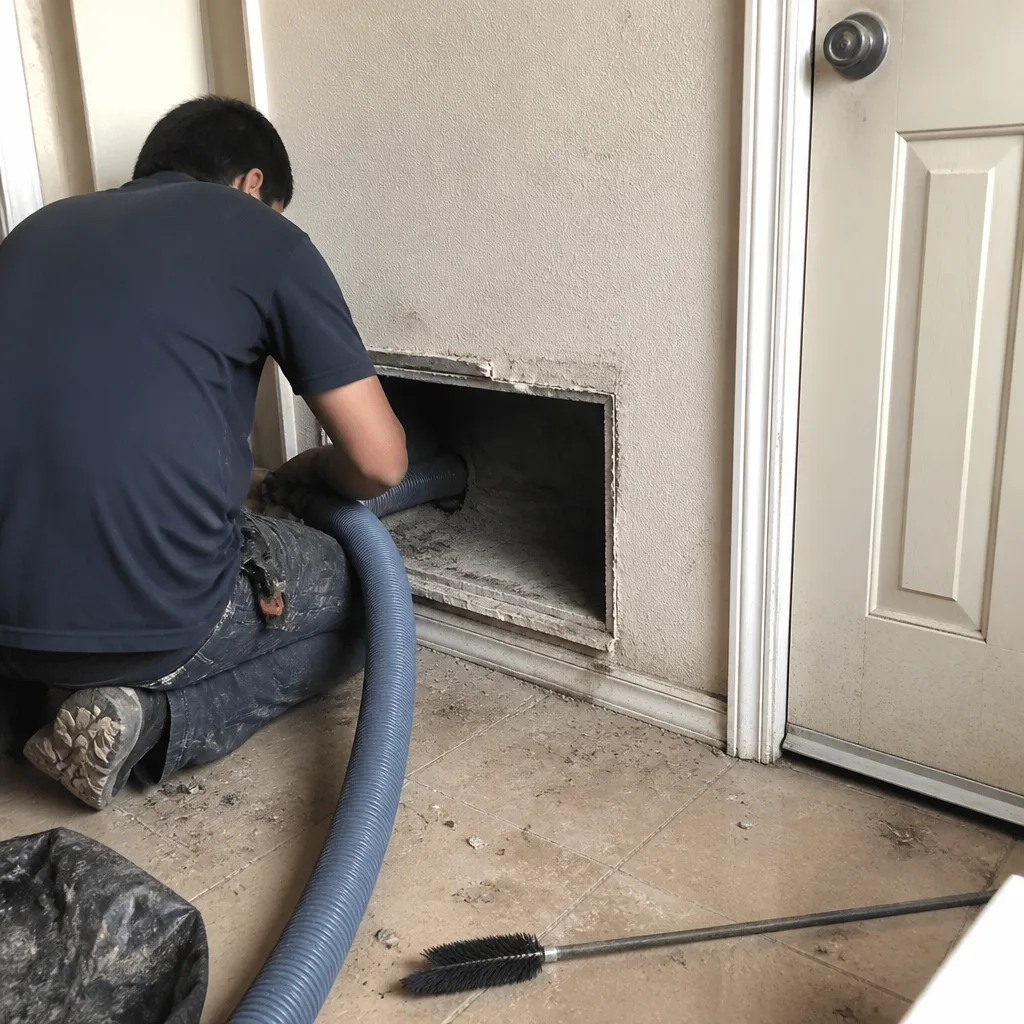
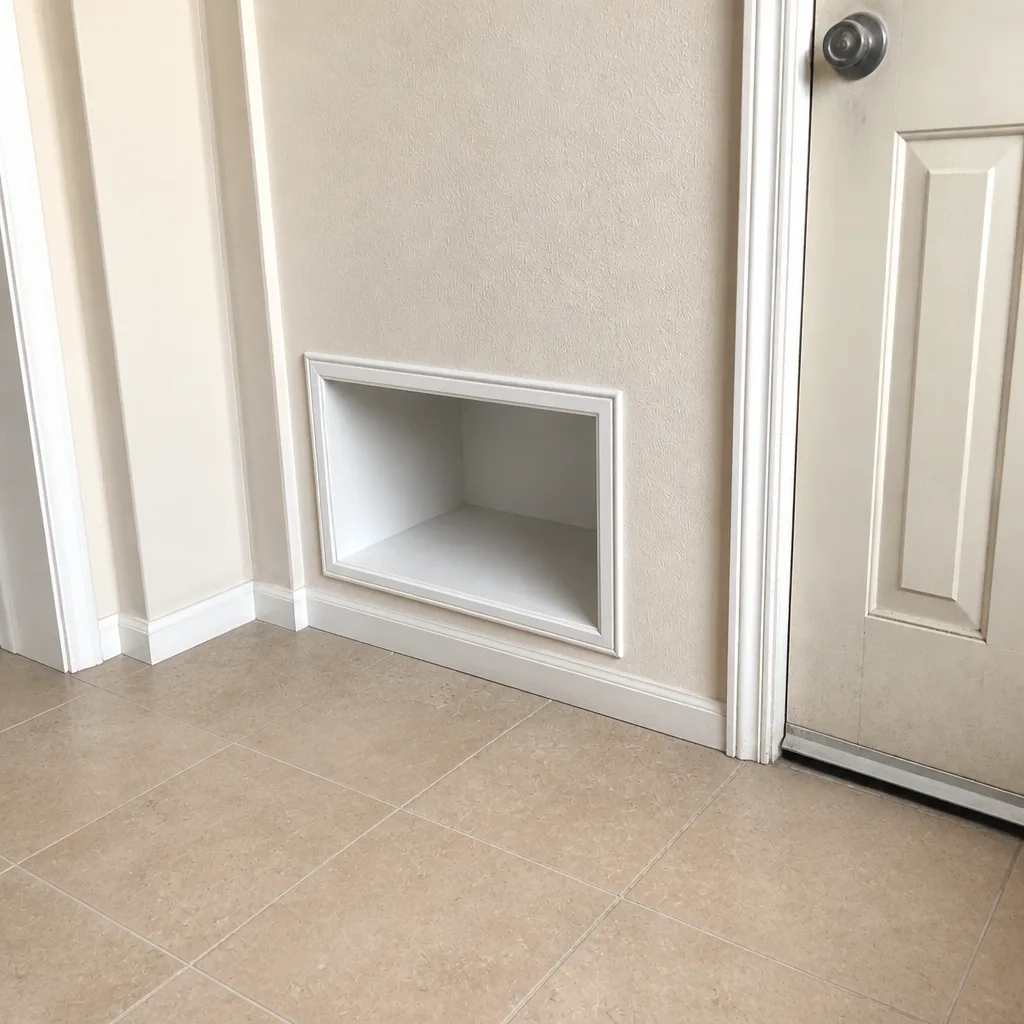
Whole-system duct and dryer vent check with before-and-after photos - you see exactly what came out of your vents
That "$99 whole-house special" is a bait ad - the real number appears once they are in your hallway, or the "clean" is a shop-vac at the register. We photograph the inside of your ducts before and after instead.
Choosing the Right Air Duct Cleaning Brand: A Buyer’s Guide for Yuma
Most homeowners pick a duct cleaning company the way they pick a pizza place: whoever has the most stars and the loudest truck wins. That works fine for dinner. It fails for ductwork, because in Arizona there is no single license that says “this person is qualified to clean an HVAC system.” A cleaning-only company can operate legally with no HVAC-specific credential at all, which means the logo on the van tells you almost nothing about what happens once the crew is inside your home. What you can evaluate is equipment, scope, and process. This guide shows you exactly which questions separate a serious provider from a surface-clean operator in Yuma.
Styles & brands we work with
- Whole-home duct cleaning
- Dryer vent cleaning
- Camera inspection
- Sanitizing & deodorizing
Quick Answer
The best air duct cleaning company in Yuma is the one that arrives with professional-grade negative-air equipment and rotary agitation tools, cleans the entire air pathway rather than just the visible registers, and can repair damaged ductwork instead of just pointing at it. Because Arizona doesn’t require an HVAC-specific license for cleaning-only work, you have to judge providers on equipment type, scope of service, and proof of work rather than on a credential or a star count. Ask what machine they’ll use, what parts of the system they’ll touch, and whether they’ll show you before-and-after photos.
Table of Contents
- Why “Brand” Means Something Different in Duct Cleaning
- How to Evaluate Equipment Before You Book
- What NADCA Certification Verifies, and What It Doesn’t
- Scope Completeness: What a Real Cleaning Includes
- How to Read Reviews for Duct Cleaning Specifically
- Why Full-Service Capability Is a Trust Signal
- Desert Conditions and Your Ducts in Yuma
- Common Mistakes to Avoid
- When to Call a Professional
- Frequently Asked Questions
- The Bottom Line
Why “Brand” Means Something Different in Duct Cleaning
In plumbing and electrical work, you can check a license before you let anyone in the door. Duct cleaning doesn’t give you that shortcut. Most states, Arizona included, don’t mandate an HVAC-specific license for cleaning-only work, so a company can hang a shingle, run a coupon, and be technically legal the day it opens. That reality should reshape how you evaluate brand, because the usual proxies (a credible-looking website, a familiar name, a couple hundred reviews) don’t confirm anything about the actual work.
So what does a brand represent in this trade? At a credible operation, it represents the equipment the company invested in, the scope it has trained its people to complete, and the accountability that comes with handling repairs. At a weak one, it’s just a decal. When you evaluate a Yuma duct cleaning provider, you’re really auditing three things:
- Equipment. Does the company own purpose-built HVAC cleaning machines, or does it show up with a shop vacuum and a shop-made brush?
- Scope. Does the cleaning cover the supply and return side, the plenum, and the coil housing, or only the registers a homeowner can see?
- Proof. Will the technician photograph the inside of your ducts before and after, and will the company stand behind what the photos show?
None of those require a state license to check. All three are the reason a “brand” either earns your call or doesn’t. The most useful place to start is often the company’s own service pages: a serious provider can clearly explain air duct cleaning as a full-system process, not a coupon hook. If the explanation is thin, the work probably is too.
How to Evaluate Equipment Before You Book
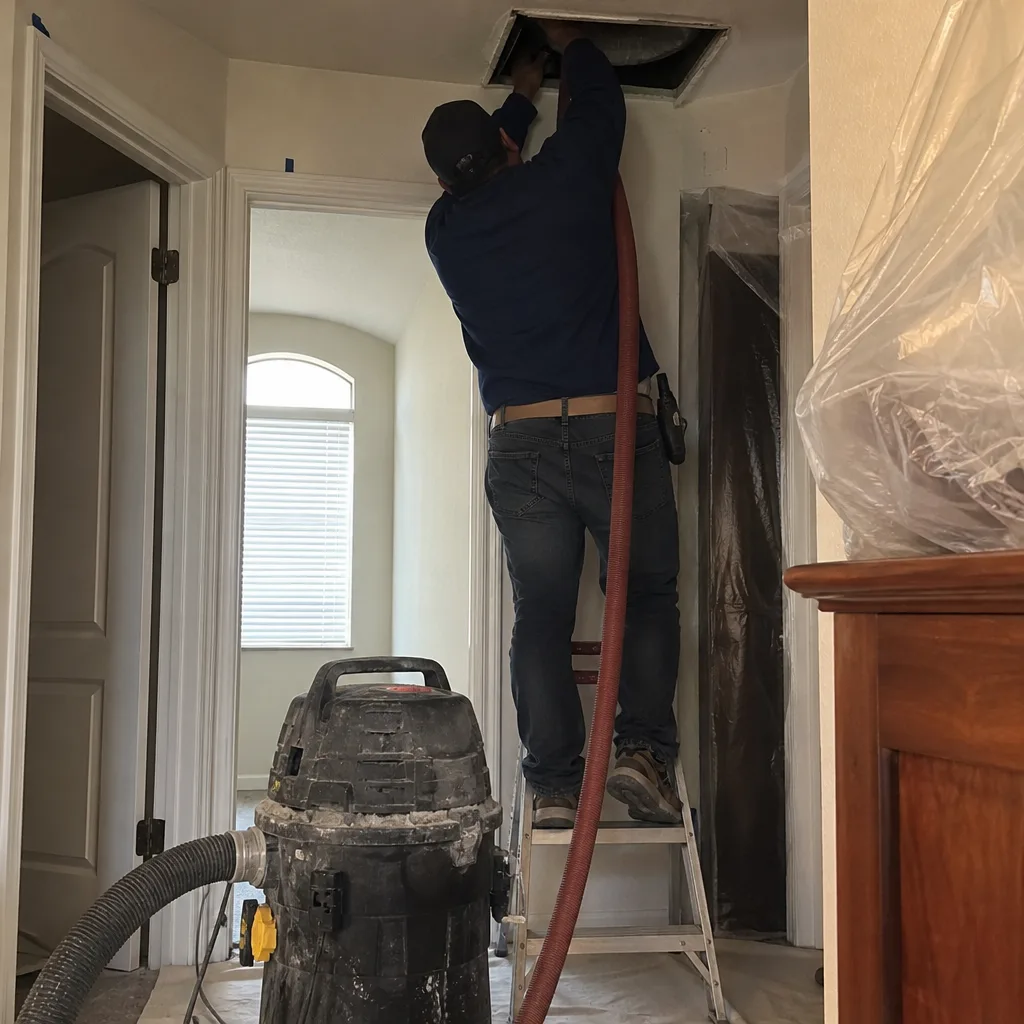
The single fastest way to judge a duct cleaning company is to ask what equipment will be in your home and why. Real HVAC cleaning requires two categories of machine working together: a negative-air machine to pull dislodged debris out and hold it in a containment system, and a contact vacuum or rotary brush tooling to agitate the debris so the vacuum can extract it. A shop vacuum cannot do either job at scale.
Ask these specific questions on the phone. A competent company answers without hesitation. A weak one changes the subject.
- “What type of negative-air machine do you use, and where does it exhaust?” Purpose-built machines are made to filter air through HEPA or near-HEPA media and exhaust outside the home or into a contained scrubber. A shop vac recirculates fine dust back into the room.
- “What’s the CFM rating of the machine?” Higher cubic-feet-per-minute airflow means more debris moves out of the duct and into containment. A company that doesn’t know its own machine’s CFM rating hasn’t been trained on it.
- “What contact vacuum and rotary brush equipment do you carry?” Look for rotary agitation tools designed for HVAC duct interiors. A rotary brush loosens caked debris; a hand wand alone will not.
- “Do you use an air scrubber or negative-air containment setup inside the home?” Professional remediation work uses these to keep dust from escaping into living space. The same approach belongs in duct cleaning.
- “Will you photograph the inside of the ducts before and after?” Video or photos are your proof of completion. If the answer is “we can send pictures later,” ask for them on your own phone before the crew leaves.
In our own work, we run the Rotobrush rotary-brush system for agitation and a Nikro HEPA-rated vacuum for extraction, and we use Duct Cleaning Yuma‘s Abatement Technologies containment and air-scrubbing equipment to keep debris where it belongs. Those tool names matter because they’re the standard the industry uses for duct interiors, not repurposed household equipment. If a company can’t tell you which machines it uses, that silence is your answer.
What NADCA Certification Verifies, and What It Doesn’t
NADCA, the National Air Duct Cleaners Association, publishes the industry’s recognized cleaning standard and offers a certification program for firms and individual air systems cleaners. It is a useful filter. It is not a substitute for the equipment and scope questions above, and it is not a state license – no state requires NADCA credentials to operate.
Here’s what NADCA certification generally signals:
- The firm has agreed to follow a published standard of care for duct cleaning.
- Staff have passed an exam covering duct systems, contamination types, and cleaning methods.
- The firm has some structural accountability to a trade body, which tends to discourage the worst bait-and-switch practices.
Here’s what it doesn’t verify:
- Equipment ownership. A certified firm can still send a crew with a shop vacuum.
- Scope of the specific job. Certification doesn’t guarantee the technician will clean the coil housing, the return plenum, or the dryer vent on your property.
- Whether the truck that shows up is well-staffed or fully trained on that day.
Treat NADCA certification the way you’d treat a background check on a new hire: a good sign, worth having, never the whole story. The real confidence comes from verifying equipment and scope directly before booking. Ask whether the technician on your job has been trained on that machine; our technicians have up to 11 years of experience with professional-grade cleaning equipment, and that tenure is the most direct E-E-A-T signal we can point to.
Scope Completeness: What a Real Cleaning Includes
This is where most Yuma homeowners get quietly under-served. The number of rooms or registers doesn’t tell you anything useful about scope. What matters is which segments of the air pathway are actually cleaned and documented. A company that cleans only the supply registers has touched maybe a third of the system; the return side, the plenum, and the coil housing carry significant debris load and are the segments most often skipped.
Ask a provider to confirm each of these points will be included in the standard price:
- Every supply register and the branch line behind it. Not just the visible grille.
- Every return register and the return duct run. Return side carries the dirtiest air in the system.
- The return plenum (the transition box at the air handler). A common debris trap.
- The interior of the air handler cabinet around the coil, where accessible. The coil itself is often cleaned by an HVAC technician rather than a duct cleaner, but the cabinet surface area should be included.
- The main trunk lines feeding the branch runs. Oversight here undermines the cleaning of everything downstream.
- The dryer vent, if your property has one. A separate but related service; ask whether the same visit can cover it.
Scope completeness is the differentiator most homeowners miss. A company that cleans one register for a low coupon price and then “discovers” the full scope after arriving has set up a bait-and-switch. A company that quotes a single flat price for the whole system, then documents the cleaning with before-and-after photos, is operating honestly. Same equipment, same scope, same flat price agreed before work starts – that’s the profile you want.
How to Read Reviews for Duct Cleaning Specifically
Duct cleaning reviews are tricky because the customer usually cannot see the work. They’re paying for a service that happens inside sealed ductwork and then judging it on whether the register looks cleaner from the outside. That gap between what the customer can verify and what actually happened creates a distorted review landscape. Read reviews with that in mind.
Here’s what to look for, and what to discount:
- Discounted: “They were on time and polite.” Good manners are the baseline, not the service. This review confirms nothing about scope or equipment.
- Discounted: “The price was affordable.” Low price is often a lead-in that becomes a full-scope upsell once the technician is on site. Treat unspecific price praise skeptically.
- Valued: “They showed me before-and-after photos of my ducts.” Confirms documentation, which is the only way a customer can verify the work.
- Valued: “They noticed a damaged section and repaired it the same visit.” Confirms full-service capability and honest diagnosis.
- Red flag: “They found more damage than expected and the bill was much higher.” Repeated complaints about price creep are a scope-disclosure failure.
- Red flag: “They said they’d email pictures and never did.” Documentation that doesn’t happen is documentation that didn’t exist.
A pattern worth recognizing: reviews of cleaning-only companies often praise speed and price, then quietly mention that the ductwork repair issue they were shown went unfixed because the company “doesn’t do that.” That’s not a customer satisfaction problem – it’s a scope problem, and it tells you what the company is set up to handle. When reading reviews for a company in Yuma, look for mentions of documentation, full-scope service, and repair in the same review. That combination is rare and worth noting.
Why Full-Service Capability Is a Trust Signal
A duct cleaning company that also handles repair, dryer vent service, and filtration upgrades has structurally different incentives than a cleaning-only provider. The cleaning-only company gets paid for completing a cleaning task regardless of outcome. The full-service provider can lose money by leaving a damaged joint or a disconnected collar unfixed, so it pays to identify the real problem. That’s the incentive alignment you want on your side.
This matters in Yuma because duct system failures there are usually fixable at the duct level. Disconnected collars, crushed flex runs, sagging joints, and torn duct wrap degrade airflow and pull unfiltered air into the system. If the company you hired can only identify those problems and hand you the number of another contractor, the cleaning was incomplete before it started. When the same company can repair, clean, and stand behind both, you get a single accountable visit.
Filtration fits the same logic. A cleaning that finishes with clean ducts but a clogged filter or an undersized filter box wastes most of the investment. Companies that work with lines like Honeywell, Aprilaire, or Guardsman can typically recommend and install a filter upgrade during the same appointment, addressing the root airflow problem rather than only the symptom. Our approach is consistent with this: we handle air duct cleaning, dryer vent cleaning, and duct repair under one company, so a visit doesn’t reveal a problem we can’t finish.
On dryer vents, the stakes go beyond air quality. Lint is a fire fuel, and a vent run that hasn’t been cleaned in years holds a surprising amount of it. Cleaning the dryer vent is the kind of thing that benefits from being part of the same visit as the duct work, when all the equipment is already on site.
Desert Conditions and Your Ducts in Yuma
Yuma’s climate shapes what accumulates in a home’s ductwork in ways that differ from wetter parts of the country. Two things are working on your system here.
The first is dust. Fine desert dust is a constant, and it enters the return side of the air handler more readily than homeowners expect. Standard air filters capture some of it but not all, and over time the interior of the return ducts and plenum accumulates a silt-like layer that restricts airflow and loads the blower motor. Cleaning the return side is genuinely more important in Yuma than in many other climates, and that’s exactly where inadequate cleaning concentrates its shortcut.
The second is cooling load. Air conditioning runs hard and long through most of the year in Yuma, which means dust that would settle in a milder climate gets recirculated continuously. A clogged return duct or a crushed branch line reduces cooling efficiency directly, because the system is moving less air than the coil expects. If your electric bills have crept up without a change in usage, a restricted return is one of the more common explanations after the obvious candidates (dirty filter, failing compressor) are ruled out.
The practical takeaway: in Yuma, prioritize inspection and cleaning of the return side and the air handler cabinet, not just the supply grilles. A cleaning that touches only the registers leaves the dirtiest section of the system untouched. Climate is a reason to insist on full-pathway scope, and one of the reasons Yuma homes benefit from a documented cleaning more than the coupon-grade treatment that competitors sell.
Common Mistakes to Avoid
- Judging by the price on the coupon. A low teaser price is almost always followed by a scope upsell once the technician is inside. Ask for a flat price for the whole system before booking; if the company won’t quote it without seeing the property, ask for a clear scope agreement before work begins.
- Accepting “we cleaned every register” as proof of a full cleaning. Registers are the last section of the system, not the whole thing. Confirm that the return side, plenum, and trunk lines are covered.
- Not asking what machine will be in the home. A shop vacuum cannot extract debris at scale. If the answer is unclear or evasive, the equipment probably isn’t purpose-built.
- Skipping the before-and-after documentation. Without photos or video, you have no way to know anything happened inside the ducts. Insist on this on every job.
- Hiring a cleaning-only company when repair is needed. If the ducts have a disconnected joint, a crushed run, or a failed seal, cleaning without repair is a half measure. Confirm the company handles repair before you hire.
- Forgetting the dryer vent entirely. A duct cleaning that leaves the dryer vent untouched leaves a fire fuel source unaddressed. Ask that it be included or scheduled the same visit.
- Dismissing reviews about price creep. Customers who complain about a much larger bill after the visit are describing a scope-disclosure failure. Treat those reviews as operational evidence, not subjective grumbling.
When to Call a Professional
Call a professional when the problem is inside the ductwork itself. If you see visible dust puffing from the registers when the system starts, notice a musty or dust smell when the AC kicks on, or find that your filter clogs far faster than it should, those are signs the return side is overloaded. Call when you’ve noticed the dryer taking two full cycles to dry a normal load – that’s often a vent restriction, not a dryer failure. Call when a prior contractor mentioned damaged flex or a disconnected joint and didn’t offer to fix it. And call when it’s simply been years since the last cleaning and you’ve never had documentation of one.
Duct Cleaning Yuma offers free estimates in Yuma. Call (888) 871-1789. We answer 24/7, with fast dispatch from 7am to 7pm, Sunday through Friday.
Frequently Asked Questions
Prices depend on the size of the home’s system, how many return runs there are, and whether repair or filtration work is included, which is why we quote a single flat price for the whole system after a free estimate rather than a per-vent rate. The written estimate sets the final price, so there is no surprise on the day. Companies that advertise a low coupon price often deliver a scope-limited cleaning and then upsell on-site; ask for a whole-system price up front. Call (888) 871-1789 for an exact quote – estimates are free.
Dramatically cheaper quotes almost always mean less scope, smaller equipment, or both. A cleaning that touches only the supply registers with a shop vacuum can be delivered for far less than a full-pathway cleaning with a rotary brush, HEPA extraction, and containment. The gap in price reflects the gap in work. Before booking the cheapest quote, ask exactly which parts of the system will be cleaned and what machine will do it. Call (888) 871-1789 if you’d like to see how a full-scope estimate compares – estimates are free.
Ask for before-and-after photos of the duct interior, and make sure you see them before the crew leaves. Photos are the only practical way a homeowner can verify what happened inside a sealed duct system. If a company can’t provide them on the spot, treat the job as unverified. We photograph the ducts on every job for this reason. Call (888) 871-1789 to book an estimate – estimates are free.
No fixed schedule fits every home, but two to three years between cleanings is a reasonable starting point for most Yuma homes given the dust load and how hard air conditioning runs here. Homes with pets, recent remodeling, or anyone with allergies may need shorter intervals; a home that has never been cleaned may still have significant build-up even if it looks fine from the outside. The best guide is what’s in the duct, not what’s on the calendar. Call (888) 871-1789 to get a professional look – estimates are free.
Yes, dryer vent cleaning can be scheduled with the duct cleaning so the same visit covers both. Lint buildup in a dryer vent is a fire fuel source, and it’s easy to overlook when the focus is on the HVAC side. Bundling the visit means you’re not scheduling a separate appointment with a different company to handle a related and important job. Call (888) 871-1789 to schedule both at once – estimates are free.
Yes. Disconnected collars, crushed flex runs, and failed seals are repairable, and we handle the repair during the same visit rather than handing you the number of a separate contractor. Cleaning-only companies are structurally limited here: they can identify the problem but not fix it, which means the cleaning can’t fully solve the airflow or air-quality issue. If you suspect damaged ductwork, mention it when you book. Call (888) 871-1789 – estimates are free.
The Bottom Line
The right air duct cleaning brand in Yuma isn’t the one with the most stars or the loudest truck. It’s the one that arrives with professional-grade equipment – rotary agitation and HEPA-grade extraction – cleans the entire air pathway rather than just the visible registers, and can repair what it finds instead of only reporting it. Ask three questions before booking: what equipment will be in my home, what parts of the system will be cleaned, and will I see before-and-after photos. A company that answers all three confidently is operating at a different level than one that can’t. The other signals – NADCA certification, review content, filtration product familiarity – all reinforce rather than replace that core evaluation.
If you’re ready to evaluate a provider on equipment and scope rather than on branding, we welcome the comparison. Duct Cleaning Yuma handles air duct cleaning, dryer vent cleaning, and duct repair under one company, and we’ll quote a single flat price for the whole system before any work starts. Call (888) 871-1789 for a free estimate. We answer 24/7, with fast dispatch from 7am to 7pm, Sunday through Friday.
Written by the team at Duct Cleaning Yuma.
See the difference
 Before
 After
 Before
 After
 Before
 After