
Last updated November 15, 2026
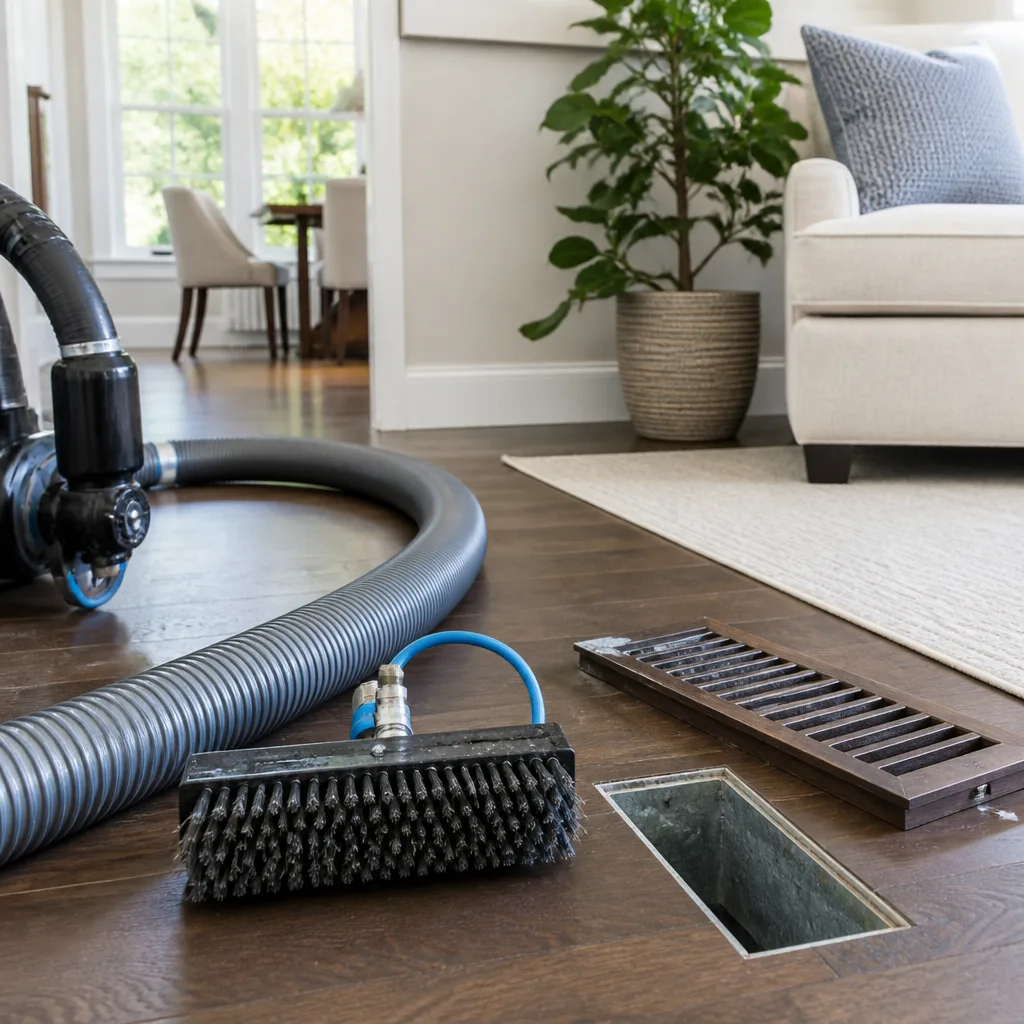 Whole-home duct cleaning
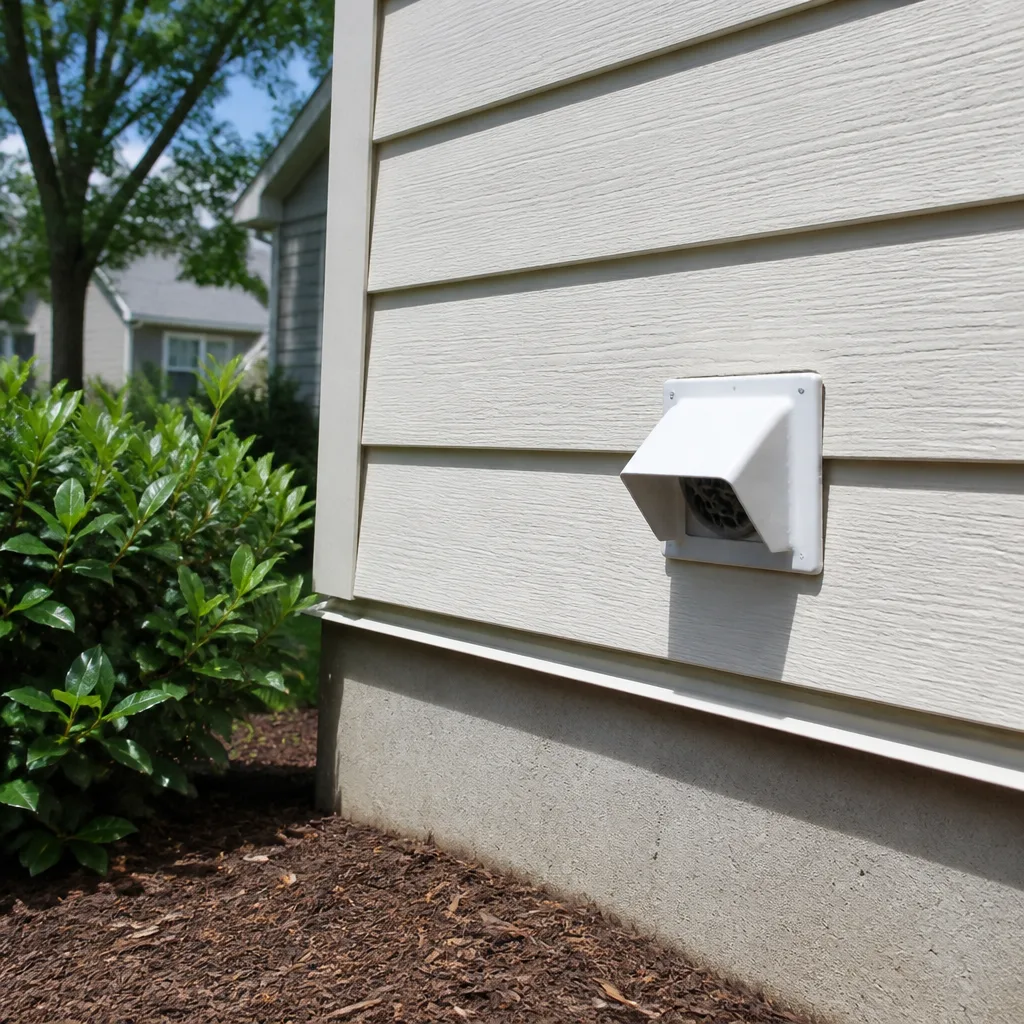 Dryer vent cleaning
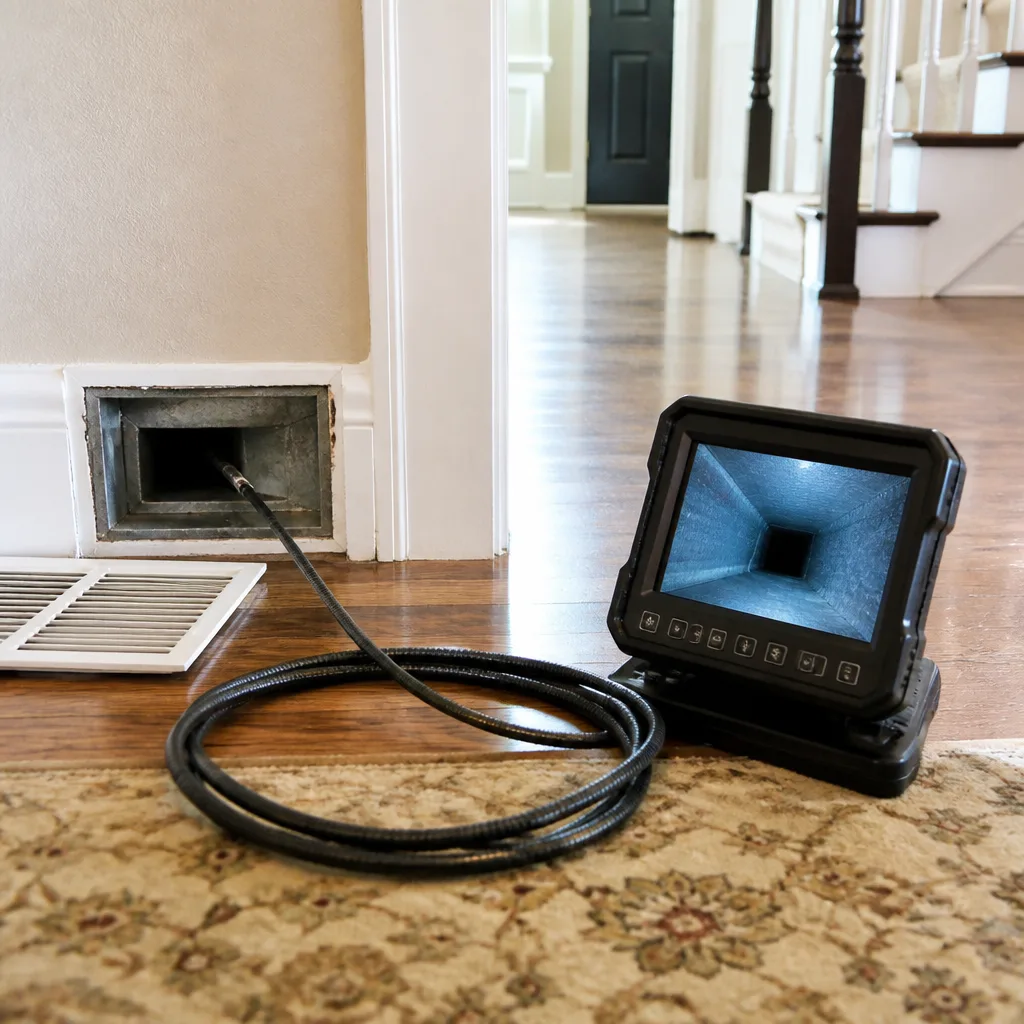 Camera inspection
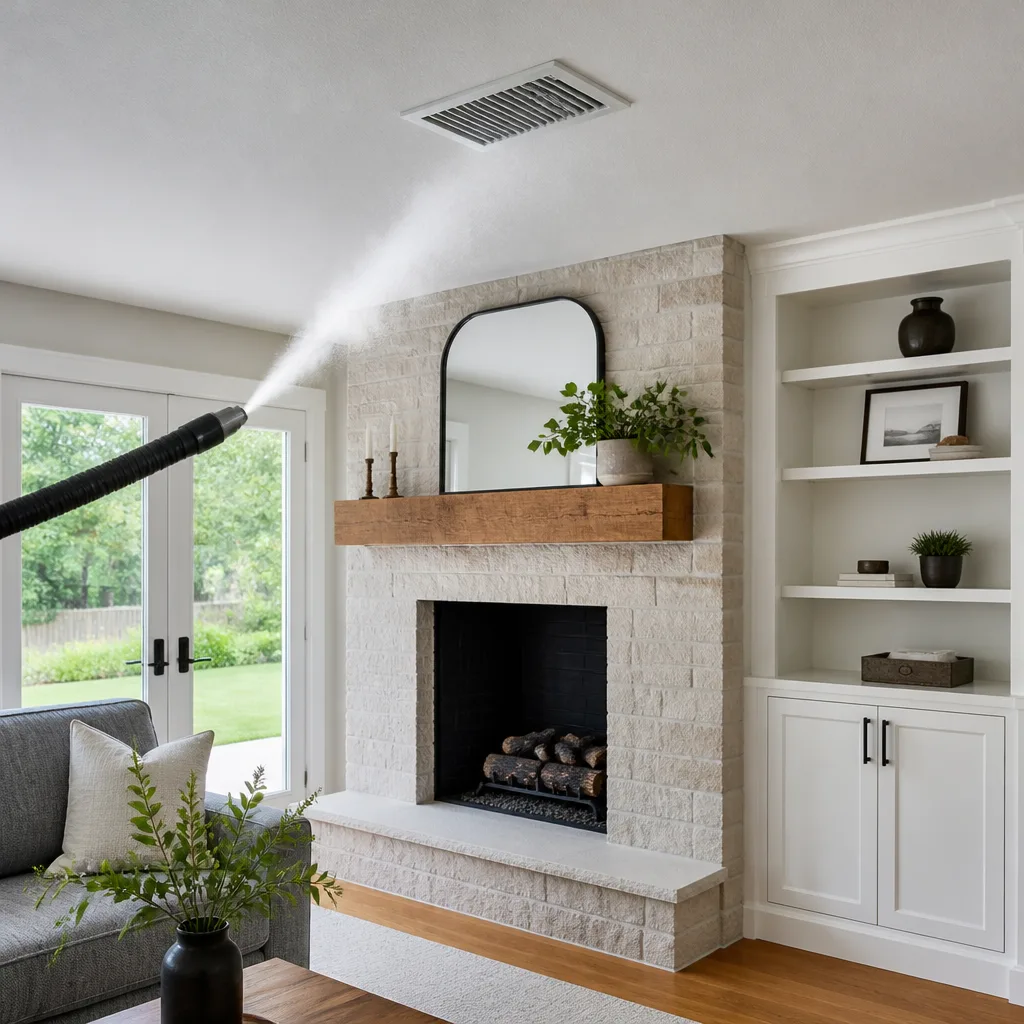 Sanitizing & deodorizing
Whole-system duct and dryer vent check with before-and-after photos - you see exactly what came out of your vents
That "$99 whole-house special" is a bait ad - the real number appears once they are in your hallway, or the "clean" is a shop-vac at the register. We photograph the inside of your ducts before and after instead.
Air Duct Cleaning Maintenance Schedule: What to Do and When
Most homeowners treat duct cleaning as a once-a-decade chore, something to get around to eventually. In Yuma, that thinking runs into a wall of local math. An air handler here runs roughly 2,800 to 3,200 hours a year because the cooling season is long and the thermostat rarely gets a break. A home in the Midwest might run its system half that. So the standard “every three to five years” advice quietly understates what a Yuma duct system actually accumulates. This guide lays out a maintenance schedule built for desert conditions, not a national template. You’ll get a month-by-month calendar, the variables that speed up or slow down cleaning intervals, what to handle yourself between visits, and how to tell when cleaning is genuinely due instead of guessing.
Quick Answer
In Yuma, most homes should have their air ducts professionally cleaned every two to three years, not every five. Homes with pets, recent renovation dust, or older leaky return grilles often need it closer to every 18 to 24 months. Between cleanings, change filters every one to three months depending on dust load, inspect the dryer vent annually, and check accessible duct panels each spring before cooling season peaks. Our technicians have up to 11 years of experience reading duct condition in this climate, and the schedule below reflects what we consistently find.
Styles & brands we work with
- Whole-home duct cleaning
- Dryer vent cleaning
- Camera inspection
- Sanitizing & deodorizing
Table of Contents
- Why a Yuma Duct System Ages Faster Than a National Average
- The Yuma Month-by-Month Duct Maintenance Calendar
- How Often Should Air Ducts Be Cleaned in Yuma?
- What Changes Your Interval: Pets, Renovation, and Aging Returns
- What to Do Yourself Between Professional Cleanings
- How to Track Duct Condition With Before-and-After Photos
- The Dryer Vent Cadence That Runs Parallel to Duct Cleaning
- What Professional Cleaning Actually Involves
Why a Yuma Duct System Ages Faster Than a National Average
National duct-cleaning advice assumes moderate runtime, moderate outdoor dust, and a cooling season that ends. Yuma breaks all three assumptions at once. The system runs hard for most of the year, the air outside carries fine desert particulate that size-tests its way through ordinary filters, and the ductwork itself often sits in an attic where summer temperatures push well past 150°F. Those three factors compound. A duct system in Yuma doesn’t just see more air than a northern system. It sees dirtier air, and it sees it move through a hotter envelope.
What that means practically is that the sediment inside a return duct in Yuma thickens faster than the same duct in a milder climate for the same amount of elapsed time. Fine dust settles on duct walls, gets baked by attic heat during off-cycles, and then gets pushed back up when the blower starts again. Over two or three years at that pace, the accumulation is measurable in ways a homeowner can see at an access panel.
Attic placement matters as much as runtime. Many Yuma homes route flexible and sheet metal runs through attic space that is effectively an oven from late spring through early fall. That heat accelerates the drying of any moisture that enters the system and can degrade poorly sealed joints faster than a conditioned-space installation would. When we clean ducts in a Yuma attic, we’re often looking at the same wear pattern that would take considerably longer to develop in a cooler climate.
The result is a maintenance interval that runs shorter, not longer, than what the generic “three to five years” line suggests. A homeowner in Yuma who follows that generic schedule is usually overdue by the time they follow it. That’s the single most useful correction this guide makes, and it sets up everything else.
The Yuma Month-by-Month Duct Maintenance Calendar
Duct maintenance in Yuma is best organized around cooling season, monsoon dust, and the shoulder months when the system is quieter and easier to inspect. The calendar below ties homeowner actions to those local rhythms. It’s a rhythm, not a rigid rule, but it reflects how the seasons here actually affect an air handler and its ductwork.
January and February. The quietest months for cooling in Yuma. This is the window for a full inspection if one is due, and for filter changes that got pushed off during the busy season. Access panels are easiest to reach without fighting the heat. If your system is nearing its two-year mark, this is a low-stress time to book a cleaning.
March. Pre-summer inspection month. Walk the accessible return and supply grilles, look for dust streaks around the registers, and confirm the filter is seated properly. If you’re considering a filter upgrade, this is a reasonable time, before the system starts its long run.
April and May. Cooling begins in earnest. Watch the filter for rapid loading in the first weeks. If a filter that used to last three months is now loading in six weeks, that’s a signal the duct surface behind it is contributing debris, not just the outdoor air.
June through August. Peak runtime. Filter swaps get more frequent, register wipe-downs happen monthly, and the dryer vent gets a visual check because the heat load is at its highest. You won’t do a full cleaning in the peak unless something has clearly failed, but this is when the need for one shows up most plainly.
September and October. Post-monsoon dust check. Monsoon season stirs up fine dust that finds its way into returns and grilles. This is the most useful month to inspect the system after summer and decide whether the accumulated load warrants cleaning.
November and December. Cooler evenings mean shorter runtimes. These months are good for scheduling a full cleaning if the post-summer check flagged it, and for confirming the dryer vent is clear before the winter months bring more laundry use.
Across those twelve months, the sequence of who does what stays roughly the same:
- Homeowner: filter changes, register wipe-downs, dryer vent visual checks, before-and-after photos at access panels.
- Homeowner or technician: pre-summer inspection in March.
- Homeowner or technician: post-monsoon dust check in September or October.
- Professional: full duct cleaning on the interval your home actually needs, typically every two to three years in Yuma.
- Professional: dryer vent cleaning on a parallel but shorter cycle, covered in a section below.
How Often Should Air Ducts Be Cleaned in Yuma?
Most Yuma homes should be cleaned every two to three years. The national “three to five” figure assumes a shorter cooling season and cleaner outdoor air than Yuma has. When a system runs nearly twice the hours per year and pulls desert particulate through its returns, the effective interval compresses. Two to three years is the realistic baseline; some homes land at the top of that range, and a subset fall below it for reasons covered in the next section.
The variables that pull a home toward a shorter interval are worth knowing because they change what “due” means. If any of these apply to your home, plan on closer to every 18 to 24 months:
- Pets in the house. Hair and dander load return grilles faster than dust alone, and the shedding cycle in Yuma runs long because indoor time runs long in the heat.
- Recent renovation or construction. Drywall dust and sawdust migrate into the system and coat duct walls. Post-renovation cleaning is often a separate item from the routine interval.
- Aging or leaky return grilles. A return that doesn’t seal pulls attic dust directly into the system. That’s a load problem and a duct-repair problem at the same time.
- High-runtime homes. Households that run the AC continuously from spring through fall accumulate hours faster than those who use setbacks or travel. The runtime math is unforgiving.
- Older flexible duct. Flex duct with a compromised interior liner traps debris in ways that smooth sheet metal doesn’t, and it’s common in aging Yuma installations.
If none of those apply and your system has been clean and well-sealed, the top end of the range is reasonable. But it’s worth checking before you assume. A quick look at an accessible return during the post-monsoon window tells you more than a calendar rule ever will. If you’re not sure where to start with an inspection, this is a good moment to review the full scope of air duct cleaning and what a proper assessment covers.
What Changes Your Interval: Pets, Renovation, and Aging Returns
The single biggest mistake in duct maintenance is treating every home as identical. Two houses on the same block can need cleaning a year apart, and not because one owner is careless. The difference usually comes down to pets, renovation activity, and the condition of the return system itself. Knowing which category your home falls into removes most of the guesswork from scheduling.
Homes With Pets
Pets add a steady stream of hair and dander to the return air. In a milder climate, seasonal shedding gives the system a break. In Yuma, indoor time runs long, shedding runs long, and the return grille loads continuously. Homes with two or more pets, especially dogs that shed, trend toward the lower end of the two-to-three-year window. The practical adjustment is more frequent filter changes and a slightly tighter cleaning interval.
Homes With Recent Renovation
Any renovation that involves cutting drywall, sanding, or moving insulation pushes fine particulate into the return system. That dust doesn’t stay near the renovation. It distributes through the entire duct network. Renovation cleaning is a separate job from the routine interval, and it should happen after the work is finished, not before. Shortening the interval afterward is a reasonable response if the renovation was large.
Homes With Aging Return Grilles
Return grilles that no longer seal properly pull air from the attic or from wall cavities instead of from the living space. That air is dustier, and it bypasses the filter entirely. When a return leaks, cleaning the ducts helps only until the leak re-loads them. This is where cleaning-only contractors stop and where the work needs to include duct repair. Our Duct Cleaning Yuma approach treats a leaky return as a repair item on the same visit, not a separate follow-up appointment with a different trade.
What a “Clean Baseline” Home Looks Like
A baseline home, for scheduling purposes, is one with no pets, no recent renovation, sealed returns, and a well-maintained filter. That home sits comfortably at the three-year end of the range. Most homes aren’t a baseline home, though, and it’s worth being honest with yourself about which variables apply.
What to Do Yourself Between Professional Cleanings
The work between professional cleanings is mostly small, and it’s the part that preserves the value of a cleaning longer. Four homeowner habits matter more than the rest: filter changes, register wipe-downs, dryer vent visual checks, and a monthly look at the return air path. None of these require tools, and none of them substitute for a professional cleaning on schedule.
Filter changes. This is the highest-leverage habit in the whole list. In Yuma, most homes should change filters every one to three months, with the shorter end applying to homes with pets or heavy dust. A clogged filter starves the system and lets dust bypass the filter and coat the coil and duct walls. Check the filter monthly during peak season and change it as soon as the surface load is visible.
Register wipe-downs. Supply and return grilles collect dust on their face and on the interior of the vanes. A dry or lightly damp cloth over the vanes once a month keeps the surface clean and lets you see when dust is starting to streak from behind the grille. A streak is a sign the duct surface is loading, not just the grille.
Dryer vent visual check. Look at the exterior vent flap. If it doesn’t open smoothly when the dryer runs, or if lint is visible around the hood, the vent is loading. This is a visual check, not a cleaning method; the cleaning itself belongs with a professional.
Monthly return air look. Open an accessible return panel once a month and look at the interior surface. A thin film is normal. A visible mat of dust, hair, or debris is a sign the interval has shortened and cleaning is approaching.
To do these well, a short routine works better than remembering each habit separately:
- First of the month: check and change the filter as needed.
- First of the month: wipe down the return and supply grilles.
- First of the month: look at the dryer vent exterior flap.
- Every third month: open an access panel and photograph the interior.
- March and September: full pre-summer and post-monsoon inspection.
That’s the whole homeowner schedule. It takes a few minutes a month and it’s the difference between catching a loading problem early and discovering it mid-summer.
How to Track Duct Condition With Before-and-After Photos
Memory is unreliable for judging duct condition. The most dependable method is a small photo record at your accessible access panels. It costs nothing to start and it settles the “is it actually due?” question faster than any general rule. You take a photo of the duct interior at the same spot each time, under similar light, and compare.
The setup is straightforward:
- Identify one or two accessible panels, typically on a return trunk or near the air handler.
- Take a phone photo of the interior surface with the flash on and the phone close to the panel. Get a consistent angle.
- Note the date in your phone’s photo app. No separate log needed.
- Repeat the photo at the post-monsoon check and again before any professional cleaning.
- Compare like with like. A visible thickening of the dust film, or dark streaks that weren’t there before, is your signal.
The before-and-after pair taken around a professional cleaning is the most useful single record. It tells you what a clean duct surface looks like in your specific home, which varies from house to house depending on duct material and construction. When a contractor can show you their own before-and-after photos at the access panels, you can compare their evidence to your own baseline.
Photos also give you something to say in a conversation with a technician. Instead of “I think it’s been a while,” you can say “the return trunk photo shows a visible film since last fall.” That’s a more productive starting point than a guess about elapsed years. When we work with homeowners in Yuma, we take our own before-and-after photos as part of the job, and comparing them to the homeowner’s is a useful check on the work.
The Dryer Vent Cadence That Runs Parallel to Duct Cleaning
The dryer vent runs on its own cycle, and it’s shorter than the duct schedule. Most Yuma homes should have the dryer vent cleaned annually, and homes with heavy laundry volume closer to every 12 to 18 months. The reason is that a dryer vent doesn’t get a “mild season.” It collects lint every time the dryer runs, and lint is highly combustible. That makes dryer vent maintenance a fire-safety item independent of anything the HVAC system is doing.
Where duct cleaning and dryer vent cleaning overlap is the visit. Since both are part of the air pathway in the home, a single appointment can handle both when the schedule coincides. It also keeps you from having two separate contractors on site. This is one reason the schedule is easier to keep when one company handles dryer vent cleaning and ducts under the same roof, which is how we handle it.
The warning signs that the dryer vent is overdue are worth listing because homeowners often miss them:
- Clothes take noticeably longer to dry than they used to.
- The exterior vent flap barely opens when the dryer runs.
- The top of the dryer or the wall behind it feels hot.
- Lint is visible around the vent hood or in the hose behind the dryer.
- A burning or hot smell appears during the dry cycle.
Any of those signs means it’s time for a professional cleaning, regardless of how recently the last one happened. Skipping dryer vent maintenance creates fire risk that has nothing to do with how well the HVAC ducts are working. Two separate maintenance streams, one set of visits.
What Professional Cleaning Actually Involves
Professional duct cleaning is not a shop vac run over a return grille. Done properly, it uses purpose-built equipment, it contains dislodged debris instead of letting it redistribute into the living space, and it inspects the ducts for repair needs along the way. The equipment quality is what separates a real cleaning from a surface touch-up, and it’s worth knowing what to look for.
The core tool is a rotary-brush cleaning system. Our technicians use the Rotobrush system, which is built specifically for HVAC duct work. The brush agitates the duct walls as it advances, which loosens debris that a vacuum alone would leave behind. On the extraction side, we use Nikro HEPA-rated vacuum equipment to pull the loosened material out and contain it. Containment matters in a desert climate where fine particulate is the main problem; without it, a cleaning can actually increase what’s floating in the air temporarily. We also use Abatement Technologies air scrubbers and negative-air equipment, the same standard applied in professional remediation work, to keep dust contained at the source.
Along the way, the inspection matters as much as the cleaning. If a return is leaking, if a duct run has separated at a joint, or if a flexible duct has a torn liner, that’s a repair item. Cleaning-only contractors stop at identifying the damage and hand you a referral to someone else. When we find damaged ductwork, we repair it on the same visit, which is why the full scope of Yuma duct services includes repair and not just cleaning.
After cleaning, filter and air-quality upgrades are often a natural next step. We work with Honeywell and Aprilaire filtration products, and pairing a cleaning with a filter upgrade gives the ducts a chance to stay clean longer. It’s not necessary on every job, but it’s worth discussing when the same visit is already happening.
Common Mistakes to Avoid
- Following the “three to five years” rule in a high-runtime climate. That interval was set for milder regions. In Yuma it usually means you’re cleaning a year or two later than the system needed.
- Skipping the filter change between cleanings. A professional cleaning with a filter that’s loading every six weeks won’t hold its value. The filter is the cheapest part of the whole system and the easiest to overlook.
- Assuming a good-smelling system is a clean one. Dust and debris don’t necessarily smell. A system can smell fine and still have a visibly loaded return trunk. Look at the duct, not the air.
- Cleaning ducts before a renovation is finished. Post-renovation cleaning happens after the drywall dust settles, not in the middle of the work. Cleaning early just means re-loading right away.
- Treating the dryer vent as a duct-cleaning afterthought. The dryer vent runs on its own annual cycle and carries independent fire risk. Don’t fold it into a longer duct schedule.
- Letting a leaky return go unrepaired. A cleaned duct behind a leaky return will be dirty again in a fraction of the usual time. If a return isn’t sealing, repair belongs in the same visit as cleaning.
- Relying on memory instead of photos. Without a photo record at an access panel, you can’t tell gradual loading from a sudden one. The photo habit makes the scheduling decision objective rather than a guess.
See the difference
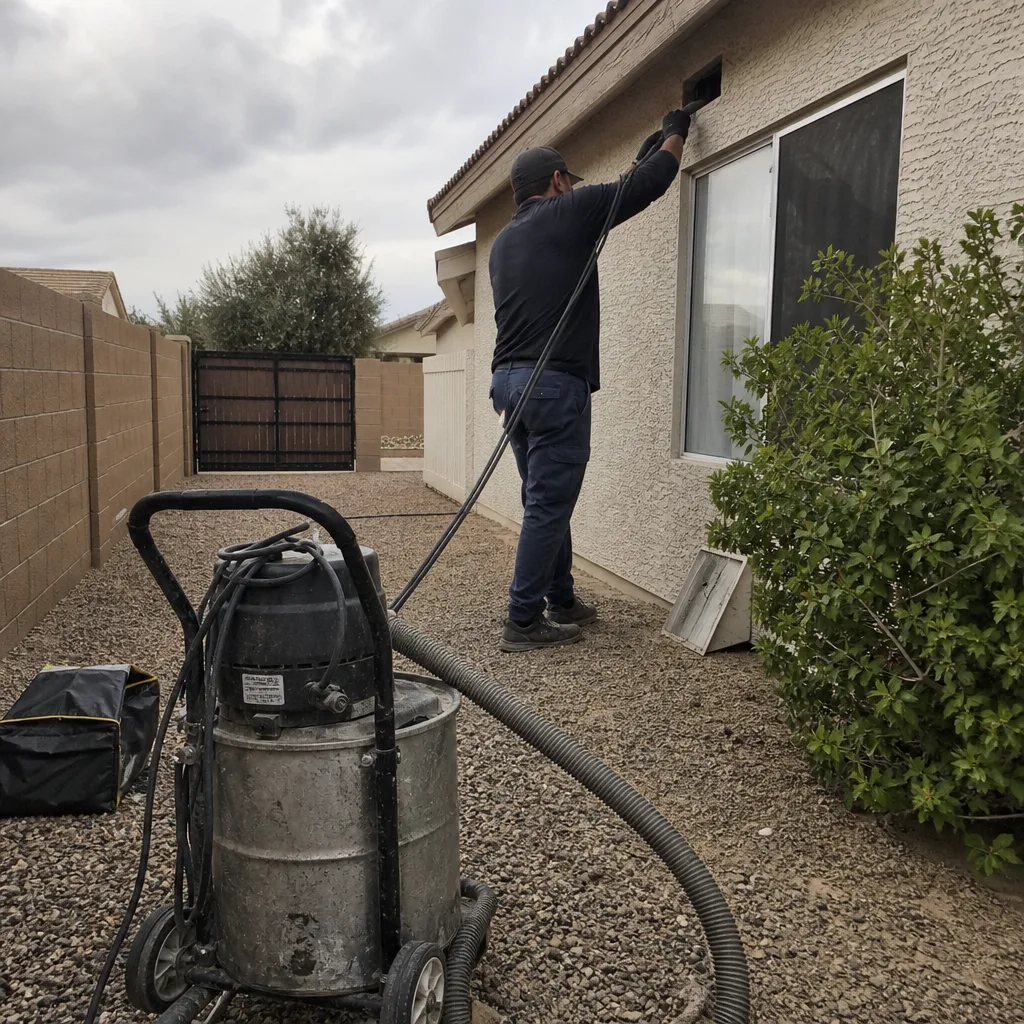 Before
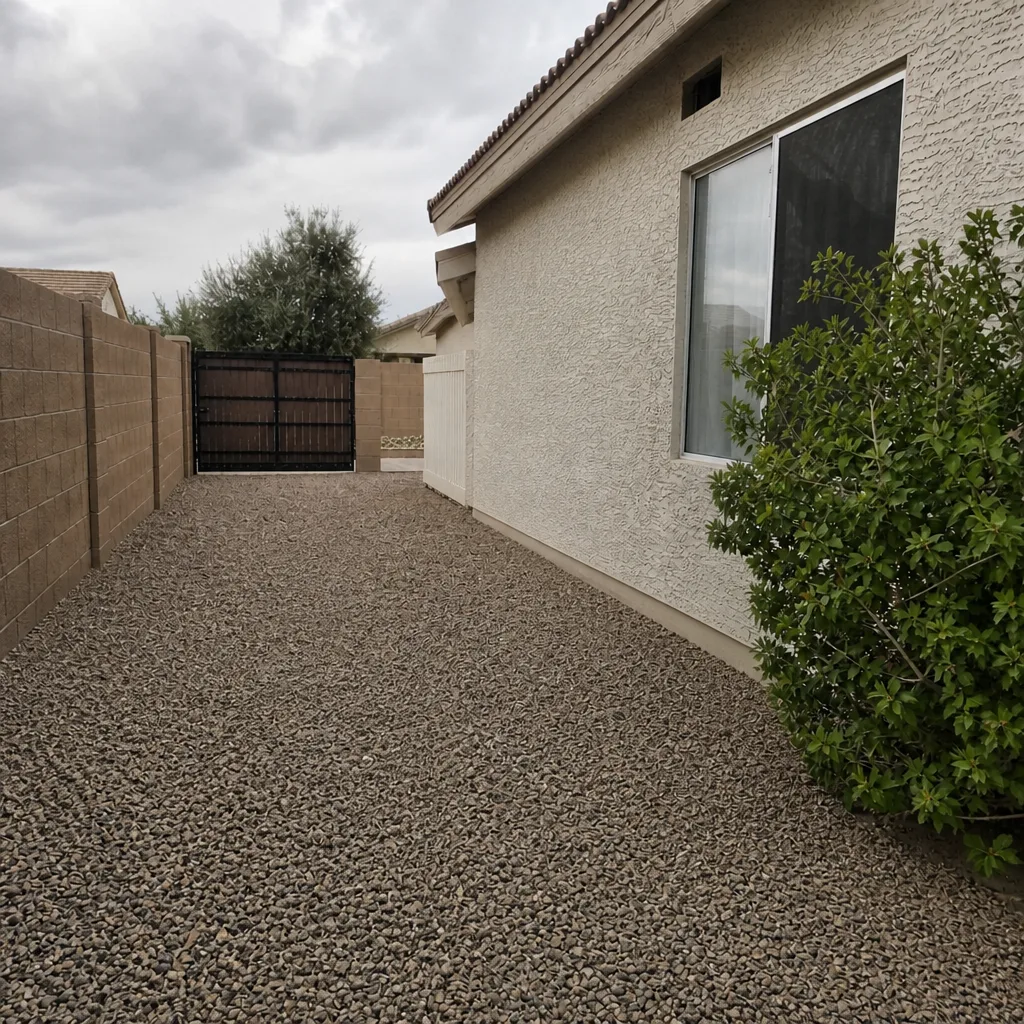 After
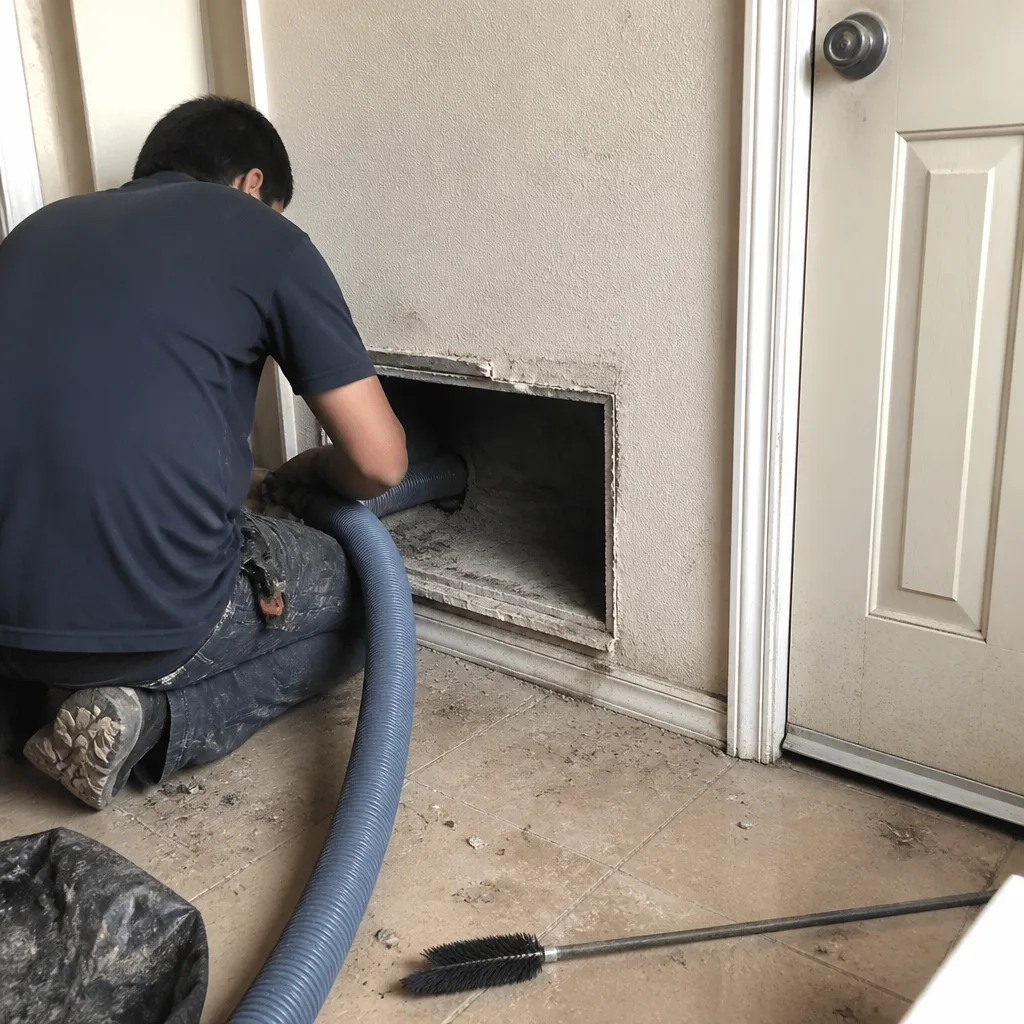 Before
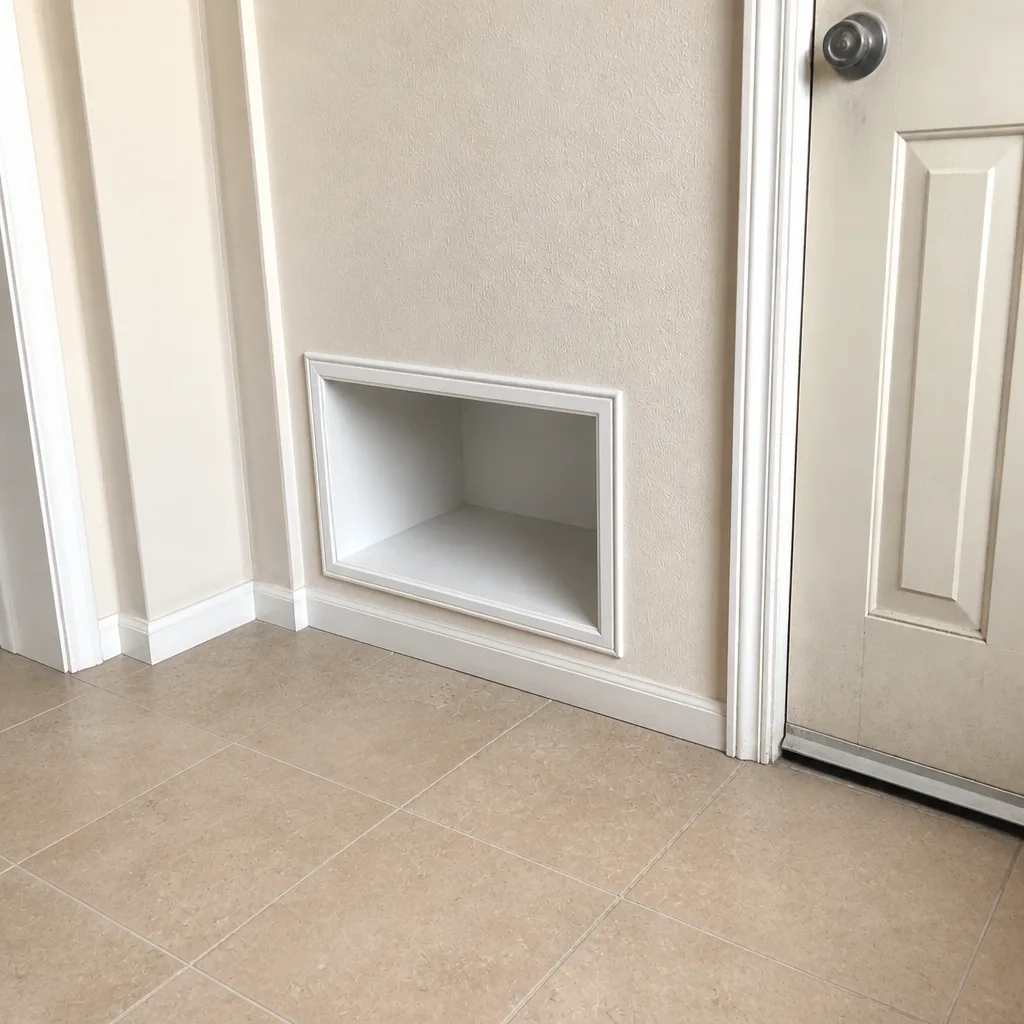 After
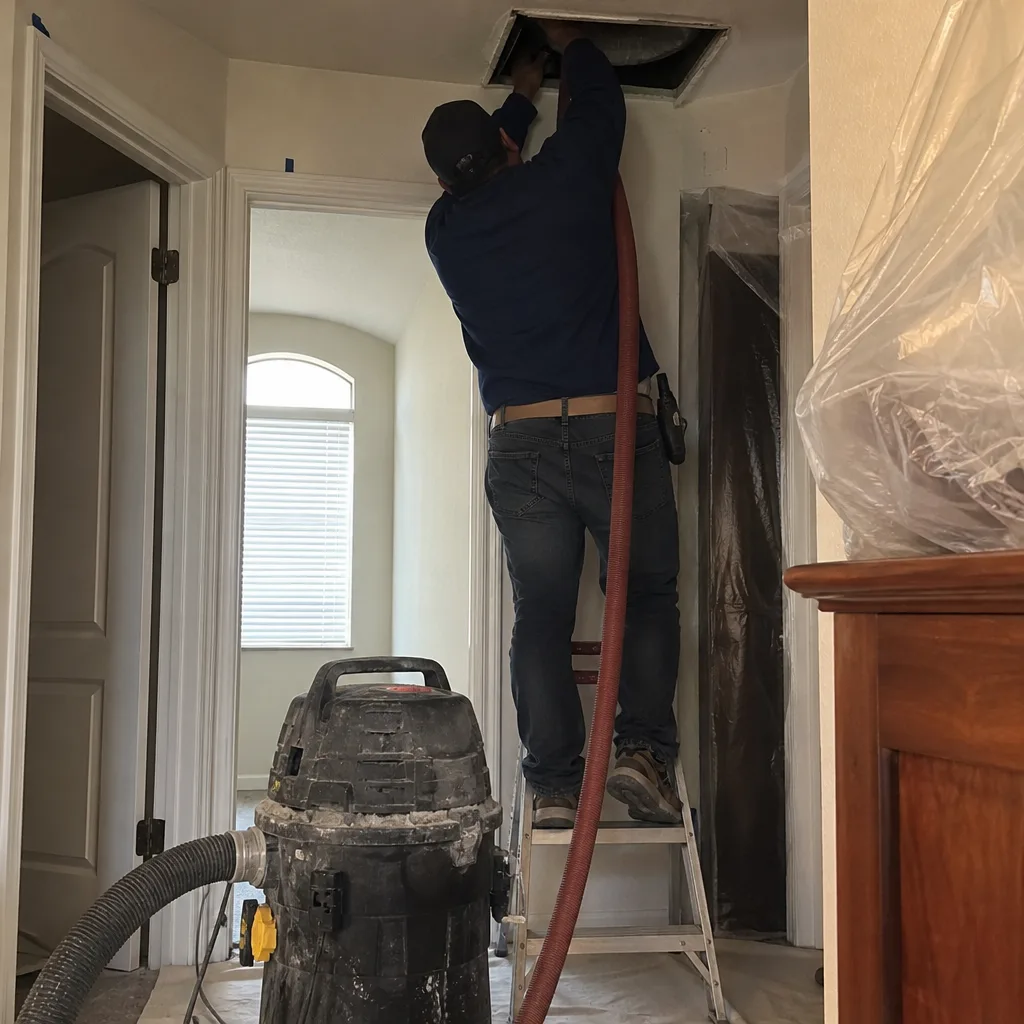 Before
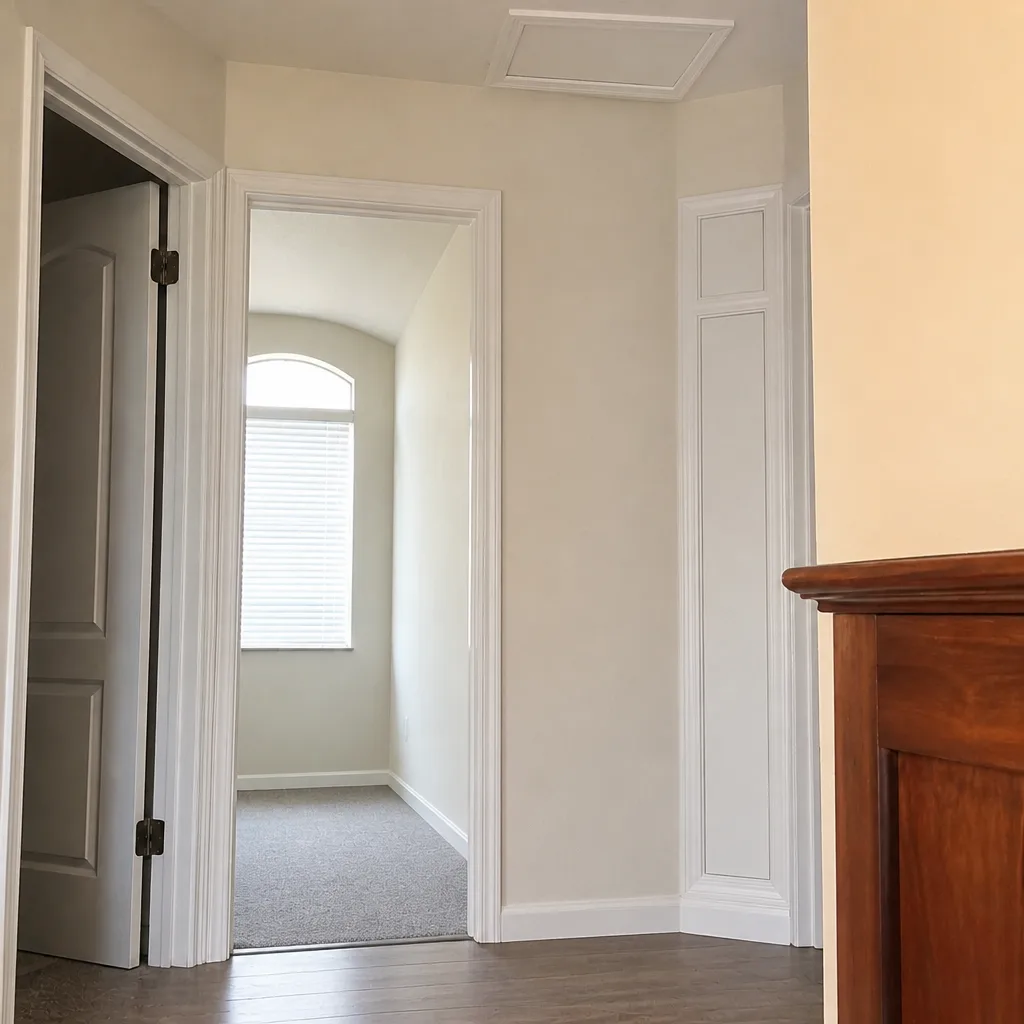 After
When to Call a Professional
The right time to call is when your own observations say it’s due, not when a calendar says it is. If the return interior shows a visible mat of dust, or the filter is loading faster than it used to, that’s a reasonable signal to schedule a cleaning. If a return panel doesn’t seal or you can see a separated joint, that’s a repair call, ideally combined with the cleaning. Post-renovation is another clear trigger, since fine particulate distributes through the whole system. Dryer vent problems, including longer dry times or a stiff exterior flap, should be scheduled regardless of the duct interval. If you’re on the two-to-three-year rhythm and the post-monsoon check in September or October flags a heavy load, schedule the cleaning before the next cooling season rather than after. Duct Cleaning Yuma offers free estimates in Yuma: call (888) 871-1789 and we’ll walk you through what your own photos are showing.
Frequently Asked Questions
Most Yuma homes should be cleaned every two to three years, not the three to five years that general advice suggests. The higher annual runtime and desert particulate load both shorten the effective interval. Homes with pets, recent renovation, or aging returns trend toward every 18 to 24 months. Call (888) 871-1789 for a free estimate and a look at your specific system.
Whole-system pricing in the Yuma market typically runs in the low-to-mid hundreds of dollars for a standard single-system home, with larger homes and homes with multiple systems at the higher end. We price one flat rate per system, agreed in writing before any work starts, with no per-vent charges. Every estimate is free. Call (888) 871-1789 to schedule one.
Cheap quotes usually reflect less equipment and less containment, or a per-vent price that grows once the technician is on site. A proper cleaning uses a rotary-brush system and HEPA extraction with air scrubbing, which costs more to operate. Ask what equipment the contractor brings and whether the price is per system or per vent. Call (888) 871-1789 for an honest whole-system estimate.
Ask for before-and-after photos taken at the access panels, and compare them to your own baseline photos. A contractor who takes their own evidence is easier to hold to account. We photograph before and after as standard practice, and you can compare the images to what you saw at the panel beforehand. Call (888) 871-1789 to schedule an appointment.
Annually for most Yuma homes, and closer to every 12 to 18 months for homes with heavy laundry volume. The fire risk from lint buildup is independent of the HVAC duct schedule, so don’t fold it into the longer duct interval. Visually check the exterior flap monthly and schedule a professional cleaning on the annual rhythm. Call (888) 871-1789 to book both in one visit.
After the renovation is finished, not before. Drywall dust and sawdust distribute through the entire duct system during the work, so a cleaning done before or during the project is quickly undone. Wait until the dust has settled, then schedule. Call (888) 871-1789 to schedule post-renovation cleaning and a duct inspection in one visit.
The Bottom Line
Duct maintenance in Yuma is not a copy of national advice. The longer annual runtime, the desert particulate load, and attic heat together compress the interval, so two to three years is the realistic baseline rather than three to five. Homes with pets, renovation dust, or leaky returns sit closer to every 18 to 24 months. Organize the year around a pre-summer inspection in March and a post-monsoon check in September or October. Change filters every one to three months, wipe registers monthly, inspect the dryer vent annually on its own cycle, and keep a photo record at an access panel so the cleaning decision is based on evidence rather than memory. When the photos show it’s due, that’s the moment to call.
Duct Cleaning Yuma offers free estimates in Yuma for air duct cleaning, dryer vent cleaning, and duct repair. Call (888) 871-1789. We answer 24/7. Fast dispatch from 7am to 7pm, Sunday through Friday.
Written by the team at Duct Cleaning Yuma.